Ministrja Ibrahimaj: Eksportet shqiptare në rritje, politika të reja për forcimin e tyre

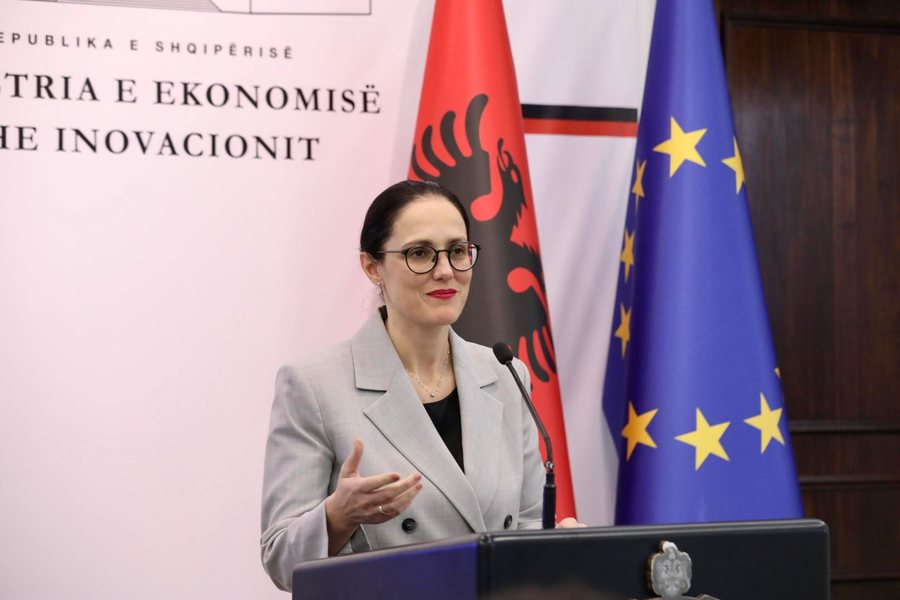
Ministrja e Ekonomisë dhe Inovacionit, Delina Ibrahimaj, gjatë konferencës mujore me median për analizën e treguesve më të fundit ekonomikë, theksoi, se eksportet shqiptare kanë shënuar një rritje të qëndrueshme gjatë vitit 2025, duke reflektuar forcimin e strukturës së ekonomisë dhe orientimin drejt sektorëve me vlerë të shtuar.
Sipas të dhënave zyrtare të INSTAT-it dhe Bankës së Shqipërisë, eksportet totale të ekonomisë janë rritur me 6,26% gjatë 9-mujorit të parë të vitit 2025.
Ibrahimaj vuri në dukje se rritja është mbështetur kryesisht nga eksportet e shërbimeve, të cilat përbëjnë rreth 85% të totalit të eksporteve dhe janë rritur me mbi 10.5%, me turizmin si komponentin kryesor.
Gjatë vitit 2025, Shqipëria u vizitua nga mbi 12 milionë turistë të huaj, duke e kthyer turizmin në një nga shtyllat kryesore të eksporteve dhe të rritjes ekonomike.
Ministrja informoi se, ndonëse eksportet e mallrave përbëjnë rreth 15% të totalit dhe kanë shënuar një rënie në vlerë, kjo lidhet kryesisht me luhatjet e çmimeve në tregjet ndërkombëtare dhe jo me ulje të aktivitetit prodhues.
Në terma vëllimi, u shpreh ajo, industria e rëndë dhe prodhimi vendas kanë shfaqur rritje. Sa i takon sektorëve specifikë, eksportet e grupit “ushqim, pije dhe duhan” janë rritur me 5% në vlerë dhe 7% në vëllim, duke treguar vijimësi pozitive si për bujqësinë ashtu edhe për industrinë e agropërpunimit.
Eksportet e energjisë elektrike, për 12 muajt e vitit, janë rritur me 6.8%, ndërsa sektori fason ka regjistruar një rënie të lehtë prej rreth 1%, e cila sipas ministers, lidhet me nevojën për modernizim dhe kalim drejt prodhimit me cikël të mbyllur.
Në këtë kuadër, ministrja Ibrahimaj deklaroi se Ministria e Ekonomisë dhe Inovacionit po orienton politikat e saj drejt rritjes së konkurrueshmërisë së eksporteve, diversifikimit të tregjeve dhe mbështetjes së sektorëve me produktivitet të lartë, si teknologjia e informacionit, industria përpunuese dhe shërbimet me vlerë të shtuar.
Ministrja Ibrahimaj bëri të ditur, se qeveria ka miratuar Strategjinë për Zhvillimin e Eksporteve 2025–2030, e cila mbështetet në katër shtylla kryesore: promovimin e eksporteve, thjeshtimin dhe digjitalizimin e procedurave tregtare, harmonizimin me standardet e Bashkimit Europian dhe forcimin e mbështetjes financiare për kompanitë eksportuese.
“Qëllimi ynë është që eksportet të mbeten një motor i qëndrueshëm i rritjes ekonomike, të rrisim praninë e produkteve shqiptare në tregjet ndërkombëtare dhe të përgatisim bizneset për integrimin e plotë në tregun e përbashkët europian”, u shpreh ministrja.
Në konferencë, Ministrja u ndal gjithashtu edhe te tregues të tjerë të zhvillimit ekonomik, përfshirë rritjen ekonomike, inflacionin, punësimin dhe stabilitetin fiskal, duke theksuar se këta tregues konfirmojnë qëndrueshmërinë e ekonomisë.
Më poshtë gjeni fjalën e plotë të Ministres së Ekonomisë dhe Inovacionit, Delina Ibrahimaj:
Përshëndetje, mirë se keni ardhur në ambientet e Ministrisë së Ekonomisë dhe Inovacionit për të bërë një analizë të të dhënave më të fundit ekonomike në konferencën tonë mujore për të analizuar zhvillimet, siç thashë, më të fundit ekonomike. Shifrat që do të analizojmë sot flasin për drejtimin e ekonomisë shqiptare në kohët e fundit, por edhe për politikat që ne kemi ndërmarrë dhe do të vijojmë të ndjekim me qëllim garantimin e qëndrueshmërisë së rritjes.
Shifrat tregojnë se ekonomia shqiptare përgjatë gjithë vitit 2025 ka treguar një stabilitet makroekonomik, ka treguar që aktiviteti i sektorit privat ka vijuar të rritet dhe që gjithashtu kemi një klimë biznesi e cila nxit investimet. Duke filluar nga Prodhimi i Brendshëm Bruto, i cili për tremujorin e tretë, siç e analizuam dhe herën e kaluar, u rrit me 3.75%, një vlerë, një normë rritëse e cila është ndjeshëm më e lartë se mesatarja e Bashkimit Europian, por më e lartë edhe sesa mesatarja e rajonit në të cilin ne jetojmë.
Kjo është një shifër domethënëse, pasi tregon që ekonomia përgjatë gjithë viteve të fundit të periudhës postpandemike ka pasur një stabilitet në rritje dhe është luhatur nga 3.5% deri në 4%. Ndërkohë që po jetojmë në një situatë gjeopolitike e cila ka paqartësi dhe, në fakt, treguesit kryesorë makroekonomikë të Europës tregojnë për këtë situatë të paqartë.
Një element kyç i stabilitetit makroekonomik janë çmimet. Treguesi i çmimeve, inflacioni përgjatë vitit 2025, është rritur me 2.2%, një normë e cila është brenda kufirit apo objektivit prej 3% të Bankës së Shqipërisë, që tregon që çmimet janë rritur në linjë me potencialin që ekonomia shqiptare ka. Pra, janë rritur në një mënyrë të shëndetshme.
Sa i takon inflacionit, mesatarja e BE-së ka qenë e ngjashme me inflacionin në vend.
Mesatarja e inflacionit në vendet e BE-së për vitin 2025 ka qenë 2.3%, ndërsa elementi kryesor i cili më së shumti diskutohet dhe të cilin më së shumti ne e kemi në vëmendje në hartimin e politikave tona, inflacioni i çmimeve të ushqimeve për vitin 2025 është rritur me 2.6%, lehtësisht më lart sesa inflacioni i të gjithë shportës së mallrave të konsumit.
Të tjerë elementë të cilët nuk garantojnë vetëm rritje, por qëndrueshmëri dhe stabilitet të ekonomisë shqiptare janë borxhi publik, i cili është një tregues kryesor për të matur stabilitetin fiskal të ekonomisë shqiptare. Ka ardhur në reduktim përgjatë gjithë viteve të fundit dhe në tremujorin e tretë të vitit 2025 ishte 53.4%.
Ky nivel borxhi është i rëndësishëm të theksohet se jo vetëm garanton stabilitet makroekonomik, por na lë edhe hapësira që në të ardhmen ne të mund të hartojmë politika dhe stimuj fiskalë me qëllim që të nxisin më tutje ekonominë e vendit.
Nga ana tjetër, rezerva valutore ka ardhur në rritje përgjatë gjithë viteve të fundit. Për 11-mujorin e vitit 2025, në fund të 11-mujorit ajo ka qenë 7.07 miliardë euro.
Ky është një tregues i rëndësishëm, pasi tregon gjithashtu shenjë stabiliteti të ekonomisë në drejtim të amortizimit të krizave potenciale që mund të vijnë nga jashtë në të ardhmen.
Të ardhurat buxhetore vit pas viti kanë ardhur në rritje. Për 11-mujorin e vitit 2025, të ardhurat kanë qenë në nivelin 688 miliardë lekë, ose 6.3% më shumë se vitin e kaluar.
Është e rëndësishme të theksohet se ky nivel të ardhurash dhe ky nivel rritjeje vjen në një kuadër politik ku nuk ka pasur rritje të barrës fiskale. Pra, tregon që rritja ekonomike është e pasqyruar në rritjen e aktivitetit ekonomik të bizneseve dhe gjithashtu të gjitha përpjekjet e Drejtorisë së Përgjithshme të Tatimeve për të ulur informalitetin kanë dhënë rezultatin e tyre.
Kjo rritje është më e lartë sesa rritja ekonomike, që do të thotë që pritshmëritë për të ardhmen vijojnë edhe për tremujorin e katërt, pra për përmbylljen e vitit 2025, vijojnë të jenë të larta.
Në linjë me rritjen e të ardhurave, edhe numrat e bizneseve kanë ardhur në rritje. Për vitin 2025 kemi pasur 17 486 biznese më shumë sesa në vitin 2024 dhe ndërkohë qarkullimi i bizneseve është rritur me 6% në nivel ekonomie, duke pasur disa sektorë të cilët janë rritur më shpejt sesa ekonomia në përgjithësi, siç është transporti, siç është sektori i shërbimit apo sektori i ndërtimit.
Rritja e numrit të bizneseve, rritja e të ardhurave është reflektuar në treguesit e tregut të punës, të cilët për shifrat më të fundit, për tremujorin e tretë, kanë qenë të gjithë në rritje. Kemi pasur një rritje me 0.4 pikë përqindje të shkallës së punësimit, rritje me 0.6 pikë përqindje të pjesëmarrjes në forcat e punës, ndërkohë që papunësia ka mbetur në një nivel stabël prej 8.1%.
Numri i kontribuesve në skemën e sigurimeve shoqërore për tremujorin e tretë të vitit 2025 është 771 332 persona, duke u rritur me 2.95% në krahasim me vitin 2024.
E rëndësishme është që të gjitha këto shifra që unë sapo thashë të reflektohen në një shpërndarje të mirë të të ardhurave. Pra, pyetja që i lind kujtdo nga ne, si politikbërës apo edhe si qytetarë, është se si shpërndahen këto të ardhura dhe sa përfitojnë qytetarët nga kjo rritje ekonomike, sa e prekshme është rritja ekonomike për të gjitha shtresat e popullsisë dhe jo vetëm për biznesin.
Të ardhurat e disponueshme janë një tregues i cili përmbledh disa tregues të të ardhurave. Përmbledh treguesit për paga, të cilat për tremujorin e tretë të vitit 2025 janë rritur me 7.3%, ose vlera e pagës mesatare në ekonomi për këtë tremujor ka qenë 83 300 lekë.
Pensionet, nga ana tjetër, në vitin 2025 në krahasim me vitin 2024 janë rritur me 8.4% në nivel të përgjithshëm, ndërkohë që remitancat kanë vijuar të jenë në rritje. Rritja ka qenë 5.8%, një rritje më e madhe sesa ndryshimi në kursin e këmbimit, i cili për vitin 2025, forcimi i lekut ndaj euros, ka rezultuar në nivel vjetor në 2.7%. Që do të thotë që si në terma nominalë ashtu edhe në terma realë të ardhurat nga remitancat kanë ardhur në rritje.
Tatimi mbi të ardhurat personale, gjithashtu një tregues për të ardhurat e individëve dhe të qytetarëve, është rritur me 26.5%, një shifër ndjeshëm më e lartë sesa vitin e kaluar. Megjithatë, unë dua të ndalem, përveç paraqitjes kryesore të shifrave më të fundit, edhe te struktura e ekonomisë.
Ne përgjatë gjithë viteve kemi pasur një ekonomi e cila ka qenë e përqendruar në sektorin e shërbimeve dhe duke kontribuar pozitivisht në ekonomi, por ndërkohë nga ana e shpenzimeve ekonomia ka qenë kryesisht e bazuar në konsumin e individëve, konsumin e familjeve, i cili përbën rreth 70% të Prodhimit të Brendshëm Bruto.
Modeli i ri i zhvillimit për të garantuar qëndrueshmërinë e normave të rritjes ekonomike duhet të përqendrohet në rritjen e investimeve, në rritjen e eksporteve, në rritjen e produktivitetit dhe rreth këtyre tre komponentëve do të drejtohen politikat tona përgjatë gjithë këtij mandati katërvjeçar, me qëllim që të garantojmë qëndrueshmërinë, të garantojmë një treg i cili nxit investimet, një treg i cili përfiton maksimalisht nga tregu i përbashkët europian, nga të gjithë benefitet e tregut të përbashkët europian dhe gjithashtu një treg i cili është i drejtuar drejt atyre profesioneve që janë më produktive dhe atyre sektorëve që kanë një produktivitet më të lartë dhe një kapacitet më të madh për të mbajtur vlerë të shtuar në ekonominë shqiptare.
Do ta fillojmë nga investimet si një komponent i rëndësishëm për ekonominë sot, por edhe për atë që presim nga ekonomia në të ardhmen.
Për 9-mujorin e parë të vitit 2025, investimet totale në ekonomi u rritën me 4.2%, ndërkohë që një normë rritjeje e ngjashme reflektohet edhe në investimet e huaja direkte.
Stoku i investimeve të huaja direkte në fund të 9-mujorit të parë të vitit 2025 është 1.2 miliardë euro dhe rritja e vazhdueshme e stokut dhe flukseve të investimeve të huaja direkte në sektorë të shpërndarë, por me potencial të lartë për zhvillimin në të ardhmen, tregon për një besim në ekonominë shqiptare, si të investitorëve shqiptarë ashtu edhe të investitorëve të huaj.
Nga ana tjetër, nga ana e financimit, investimet janë mbështetur nga kredia, e cila për 11-mujorin e parë të këtij viti është rritur me 14%. Kredia për investime garanton jo vetëm financimin e investimeve të vitit aktual, por edhe pritshmëritë për investimet në vitin e ardhshëm.
Unë besoj fort që kjo është një shifër që tregon se biznesi ka besim të shtuar në stabilitetin ekonomik të vendit dhe kjo është arsyeja pse kredia vijon të rritet për komponentin e investimeve.
Tani dua të ndalem pak më gjatë te komponentët që lidhen me tregtinë e jashtme dhe specifikisht eksportet, pasi në javën e fundit, që prej publikimit të shifrave të INSTAT-it për tregtinë e jashtme, aritmetika opozitare ka paraqitur një skenar jo të drejtë dhe jo real të asaj që në fakt ndodh në ekonomi.
Do ta filloj duke folur për strukturën e eksporteve në ekonomi. 84.8%, gati 85% e eksporteve janë eksporte të shërbimeve. Pra, pesha më e madhe e eksportit lidhet me shërbimet, që kryesisht janë shërbime të lidhura me turizmin, pra eksporte të lidhura me turizmin dhe numrat e turistëve të huaj gjatë viteve të fundit kanë ardhur çdo vit duke u rritur dhe në vitin 2025 ishin mbi 12 milionë turistë të huaj që erdhën në Shqipëri.
Nga ana tjetër, tregtia e mallrave, eksportet e mallrave zënë 15.2% të totalit të eksporteve. Në total, eksportet në ekonomi janë rritur me 6.26% përgjatë vitit, përgjatë 9-mujorit të parë të vitit 2025. Sipas të dhënave të INSTAT-it dhe të Bankës së Shqipërisë, eksportet e mallrave kanë rënë me 12.6%, ndërkohë që eksportet e shërbimeve janë rritur me 10.53%.
Duke qenë se pesha e eksporteve të shërbimeve është ndjeshëm më e madhe se pesha e eksporteve të mallrave, në total, siç thashë, eksportet kanë rezultuar me një rritje pozitive prej 6.26%.
Në eksportet e shërbimeve, një komponent kryesor është turizmi, i cili për vitin 2025, pra për 9-mujorin e parë të vitit 2025, është rritur me 15%. Ndërkohë që ka edhe elementë të tjerë të rëndësishëm të eksporteve të shërbimeve, të cilët nga viti në vit vijnë duke rritur peshën e tyre në totalin e eksporteve, por edhe në totalin e vlerës së shtuar në ekonomi, siç janë eksportet e sektorit të IT-së, të cilat janë rritur ndjeshëm në pesë vitet e fundit.
Të gjitha shifrat në lidhje me këtë sektor po vijojnë të rriten, numri i kompanive në këtë sektor, numri i të punësuarve në këtë sektor dhe po ndalem këtu, pasi është e rëndësishme që në drejtim të nxitjes së atyre sektorëve me produktivitet të lartë, ky është specifikisht një sektor i cili ka paga të larta, pra edhe produktiviteti për rrjedhojë është i lartë dhe në të cilin politikat që ne kemi ndjekur përgjatë viteve të fundit kanë qenë shumë incentivuese dhe kanë dhënë rezultatet që paraqesim sot.
Tani, sigurisht, përsëri në lidhje me tregtinë e jashtme dhe me eksportet specifikisht, dua të ndalem tek eksportet e mallrave.
Thashë komponentët, përmenda shpërndarjen për të treguar realitetin mbi të dhënat e eksporteve dhe megjithatë kjo nuk do të thotë sot që ne nuk kujdesemi dhe nuk analizojmë çdo shifër që kemi në dispozicion me qëllim që të hartojmë politikat e duhura për të targetuar ata sektorë që mund të kenë dobësi apo mund të kenë nevojë për mbështetje.
Në javën e fundit “llogaritarët e lajmeve të këqija” thanë se eksportet bujqësore kanë rënë gjatë vitit 2025, se eksporti i energjisë elektrike ka rënë gjatë vitit 2025 dhe folën gjithashtu për eksportet fason.
Unë do të ndalem me radhë në të tre këto komponentë.
Eksportet bujqësore, sipas publikimeve të INSTAT-it, janë brenda grupit “ushqim, pije, duhan”. Grupi “ushqim, pije, duhan” për vitin 2025 ka pasur një rritje me 5%, pra eksporti i këtij grupi ka pasur një rritje me 5% në vlerë dhe një rritje me 7% në vëllim, që do të thotë që është një grup i cili po vijon të zhvillohet, po vijon të rritet.
Brenda këtij grupi janë eksportet bujqësore, por gjithashtu janë edhe eksportet që vijnë nga industria e agropërpunimit, një industri e cila është mbështetur përgjatë viteve të fundit në forma të ndryshme, qoftë nëpërmjet fondeve buxhetore, qoftë nëpërmjet garancive sovrane, me qëllim që të rritet si numri i ndërmarrjeve që operojnë në këtë sektor, por gjithashtu të rritet edhe numri i eksporteve dhe vlera që gjenerohet në vend.
Brenda këtij grupi, edhe eksportet bujqësore kanë pasur një rritje të lehtë. Pra, jo vetëm sektori agropërpunues, por edhe sektori bujqësor ka pasur një rritje të lehtë.
Sa i takon energjisë elektrike, për 12 muajt e parë të vitit, eksportet e energjisë elektrike janë rritur me 6.8%. Ky është një komponent i cili, në publikimin e INSTAT-it, është brenda grupit “minerale, lëndë djegëse dhe energji elektrike”.
Është një grup i cili përfaqëson industrinë e rëndë në vend dhe e vërteta është që gjatë vitit 2025 ky grup, në tërësi, ndonëse energjia elektrike ka ardhur në rritje, në vlerë ka rënë me 6.9%.
Nëse shohim shifrat sa i takon vëllimit, do të shohim që në vëllim ky grup ka ardhur në rritje. Rritja nuk është e lartë, është një rritje prej 1%. Megjithatë, në krahasim me vitin e kaluar kemi pasur një vëllim më të madh prodhimi në vend për këtë sektor.
Diferenca ndërmjet çmimeve, pra vlerës dhe vëllimit, ndikohet kryesisht nga çmimet dhe çmimet e këtyre lëndëve janë çmime të cilat lidhen me bursat ndërkombëtare.
Pra, është konjuktura ndërkombëtare ajo e cila ndikon më së shumti efektin e diferencës ndërmjet vlerës dhe vëllimit. Megjithatë, treguesit zyrtarë të INSTAT-it tregojnë që aktiviteti për 12 muajt e vitit, në numra prodhimi, pra në peshë dhe në vëllim, ka ardhur në rritje.
Tani do të ndalem tek sektori fason. Është një sektor të cilin prej disa vitesh tashmë ne e kemi diskutuar, e kemi analizuar dhe jemi ulur në tryeza të ndryshme me përfaqësuesit e shoqatave të fasonëve me qëllim analizimin e çdo problematike që vjen nga ky sektor.
Do të flas fillimisht për shifrat dhe më pas për mënyrën se si do t’i qasemi ne këtij sektori.
Shifrat tregojnë se për vitin 2025 vlera totale e eksporteve të grupit “tekstile dhe këpucë” ka qenë rreth 104 miliardë lekë. Ndërkohë që në vitin 2024 kjo vlerë ka qenë në total 105 miliardë lekë. Pra, është një rënie me rreth 1%. Kjo është rënia për të cilën bëhet fjalë.
Në të gjitha diskutimet që ne kemi pasur me këtë kategori, me sektorin fason, që në krye të herës, që kur efekti i kursit të këmbimit filloi të ndihej, pra që kur leku filloi të forcohej, ne kemi diskutuar për nevojën për reformim të këtij sektori, për nevojën për rritje të kapaciteteve të makinerive, për nevojën për automatizim të këtij sektori, por mbi të gjitha për nevojën që ky sektor duhet të prodhojë produkt me cikël të mbyllur dhe kemi qenë të gatshëm që ta mbështesim sektorin në forma të ndryshme.
Dhe e vërteta është që ka pasur disa garanci sovrane të cilat i janë drejtuar këtij sektori me qëllim që të mbështetet me norma kreditimi, me interesa kreditimi të ulëta, që sa më shumë të kishte investime dhe sa më shumë të prodhohej produkt me cikël të mbyllur.
Sigurisht që, si çdo sektor tjetër, ka disa që arritën të përmbyllin procesin e prodhimit të tyre me qëllim që produkti që prodhojnë të ketë një vlerë më të lartë dhe të shitet me një vlerë më të lartë në tregjet ndërkombëtare dhe disa të tjerë që nuk arritën dot ta bëjnë produktin me cikël të mbyllur dhe që sigurisht po përjetojnë reduktime të eksporteve apo të prodhimit të tyre.
Ndërkohë, qeveria shqiptare që prej vitit të kaluar ka ndërmarrë një nismë e cila lidhet pikërisht me këtë industri.
Ministria e Mbrojtjes ka krijuar shoqërinë “Guna”, e cila do të specializohet në prodhimin e veshjeve ushtarake dhe policore. Janë veshje të cilat kanë një vlerë më të lartë sesa prodhimi i tekstileve në përgjithësi, pasi kërkojnë një nivel specializimi të lartë dhe kanë gjithashtu edhe një çmim blerjeje shumë më të lartë.
Kompania ka filluar të rekrutojë personat e parë, të cilët janë rekrutuar tashmë dhe po trajnohen e po specializohen në bashkëpunim me partnerët tanë ndërkombëtarë dhe pritet që ky numër të rritet deri në 300 punonjës. Ne duam që nëpërmjet kësaj kompanie të prodhojmë për nevojat e vendit, por kryesisht synimi është që nëpërmjet saj të eksportojmë produkte.
Në modelin e planit të biznesit që është parashikuar për shoqërinë “Guna”, ne parashikojmë një marrëdhënie shumë të mirë me të gjitha kapacitetet që ekzistojnë në treg.
Pra, shohim potencial në bashkëpunimin me ato kompani që kanë kapacitete, që mund të operojnë me standardet e kërkuara nga tregu dhe që do të bashkëpunojnë ngushtësisht me kompaninë “Guna” me qëllim që të bashkojnë forcat dhe t’i japin këtij sektori një tjetër frymëmarrje.
Jam e bindur që në fund të një dyvjeçari do të kemi rezultate konkrete dhe do të flasim për mënyrën e bashkëpunimit dhe për shifrat konkrete në këtë sektor.
Së fundmi, sa i takon eksporteve, dua të ndalem tek struktura e tyre. Ne flasim shumë për integrimin, për tregun e përbashkët europian, por nëse shohim tregtinë, tregtia është një nga sektorët ku ne jemi tashmë të integruar, pasi rreth 70%, konkretisht 67.1% e produkteve që ne eksportojmë janë eksporte drejt Bashkimit Europian.
Ndërkohë, vit pas viti është rritur pesha e eksporteve drejt Ballkanit Perëndimor, duke synuar krijimin e një tregu të përbashkët rajonal dhe funksionimin si një treg i përbashkët europian përpara aderimit të plotë në Bashkimin Europian, me rregulla të përbashkëta dhe me lehtësim të tregtisë ndërmjet nesh.
Nga ana tjetër, pjesa tjetër e botës përbën rreth 15% të totalit të eksporteve tona. Megjithatë, nisur nga të gjitha këto analiza që kemi bërë ndër vite, në fund të vitit të kaluar ne kemi miratuar një politikë që lidhet me zhvillimin e eksporteve për vitet 2025–2030.
Politika është e përqendruar në katër shtylla kryesore: promovimin e eksporteve, thjeshtimin e procedurave dhe digjitalizimin e tyre, harmonizimin e prodhimit dhe eksporteve me standardet e tregut të përbashkët europian dhe mbështetjen e kompanive eksportuese.
Në detaje, për sa i përket promovimit, ka dy elementë që dua të përmend. Gjatë këtij viti do të operacionalizojmë dhe forcojmë komponentin e diplomacisë ekonomike, e cila do të synojë jo vetëm forcimin e lidhjeve me tregjet ekzistuese, por edhe depërtimin në tregje të reja me qëllim diversifikimin e eksporteve.
Nga ana tjetër, do të punojmë për forcimin e rolit të Agjencisë Shqiptare të Zhvillimit të Investimeve (AIDA) me qëllim që të jetë sa më aktive në procesin e promovimit të produkteve shqiptare.
Një komponent tjetër është ligji që do të miratojmë brenda vitit 2026 për “Made in Albania”, i cili synon promovimin e produkteve vendase brenda dhe jashtë vendit, ndërtimin dhe mbrojtjen e brandit “Made in Albania” dhe nxitjen e eksporteve të produktit shqiptar.
Elementi i dytë është thjeshtimi dhe digjitalizimi. Një pjesë e kostove të biznesit në tregti lidhen me procedurat dhe barrierat jotarifore. Procesi i digjitalizimit të doganave dhe agjencive shtetërore që operojnë në pikat doganore është kyç për reduktimin e këtyre barrierave.
Prej vitesh po punojmë me Bankën Botërore në një projekt të madh që synon reduktimin e kohës së operimit në dogana përmes krijimit të dritares së vetme kombëtare “National Single Ëindoë”, e cila do të rrisë efikasitetin e pikave kufitare, do të reduktojë barrierat tarifore dhe jotarifore dhe do të krijojë rregulla më të parashikueshme për operatorët.
Një komponent tjetër i këtij projekti është tranziti doganor më i shpejtë, me qëllim lehtësimin e tregtisë ndërkufitare.
Gjatë vitit 2025 do të fillojë faza e dytë e projektit, e cila do të fokusohet edhe në modernizimin dhe digjitalizimin e infrastrukturës së cilësisë.
Ky projekt lidhet me komponentin e tretë, harmonizimin. Ne do të kujdesemi që bizneset shqiptare të njihen dhe të zbatojnë standardet e Bashkimit Europian, në mënyrë që të integrohen më lehtësisht në tregun e përbashkët europian.
Për këtë arsye, gjatë këtij viti do të miratojmë një program që përgatit bizneset për tregun e përbashkët europian, i cili do të informojë, do të trajnojë dhe do të vërë në dispozicion kapacitete financiare për mbështetjen e bizneseve në arritjen e standardeve.
Ky program do të synojë rritjen e konkurrueshmërisë së produkteve shqiptare, lehtësimin e aksesit në fondet dhe grantet e BE-së dhe nxitjen e rritjes së qëndrueshme të eksporteve.
Së fundmi, sa i takon mbështetjes financiare, politikat teknike duhet të shoqërohen me instrumente financimi. Ne kemi folur për ligjin “Për Bankën e Zhvillimit”, i cili do të jetë një instrument kyç për financimin e biznesit përmes kredive, garancive dhe sigurimit të eksporteve.
Nëpërmjet Bankës së Zhvillimit do të krijojmë instrumente për nxitjen dhe sigurimin e eksporteve, për mbështetjen e certifikimit të produkteve dhe për investime në teknologji dhe digjitalizim, me fokus të veçantë ndërmarrjet e vogla dhe të mesme.
Të gjitha këto janë elemente për të cilat do të punojmë gjatë këtij viti dhe do të kujdesemi që të informojmë bizneset dhe publikun, në mënyrë që ky program të mos mbetet vetëm në letër, por të ndiqet përmes treguesve të performancës.
Këto ishin çështjet që kisha parashikuar të prezantoja sot. Çdo muaj do të përpiqemi të fokusohemi në një temë të vetme, në mënyrë që prezantimi i të dhënave ekonomike të jetë sa më i thelluar dhe shterues, krahas situatës së përgjithshme.
Faleminderit!
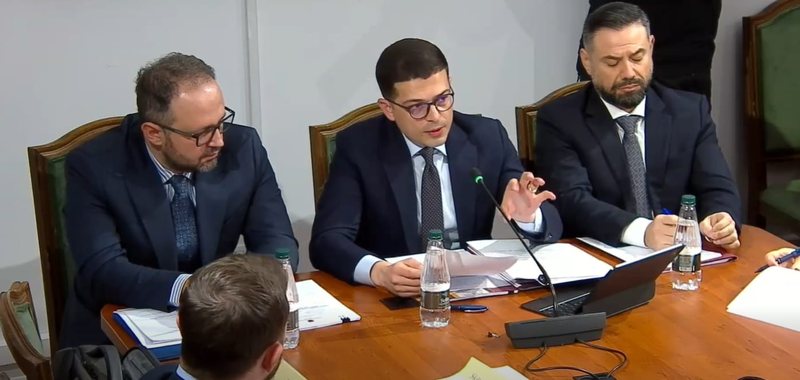
Shqipëria nis prodhimin e municioneve këtë vit! - Vengu: Kemi 6 kontrata gati. Uniforma, mjete taktike dhe emergjence “Made in Albania”
Këtë vit, Shqipëria do nisë prodhimin e municioneve, uniformave, mjeteve taktike dhe emergjencave. Në Komisionin Parlamentar për Evropën dhe Punët e......

12.4 mln të huaj vizituan Shqipërinë gjatë 2025-ës/ Europa Jugore kryesoi fluksin e turistëve përgjatë vitit
Sipas të dhënave më të fundit nga INSTAT për muajin Dhjetor, rezulton senë territorin e Shqipërisë kanë hyrë rreth 1.5 milionë shtetas shqiptarë dhe të huaj,......

Rreth 23 mijë shqiptarë dolën çdo ditë nga vendi/ Toka, ajri apo deti, cila është mënyra më e preferuar e udhëtimit?
Në vitin 2025, 8.5 milion dalje nga territori të shqiptarëve e vendosin vendin tonë në një ritëm lëvizjeje të jashtëzakonshëm. Ky është tregues i një......

Dy realitete: perimet i mbulojnë importet, frutat jo/ Shqipëria prodhon për eksport, por konsumon fruta të shtrenjta nga importi
Në vitin 2025, importet e zarzavateve dhe rrënjëve të ngrënshme arritën në rreth 4.35 miliardë lekë, ndërsa në peshë kapën 69.4 mijë ton. Këto nivele janë më......
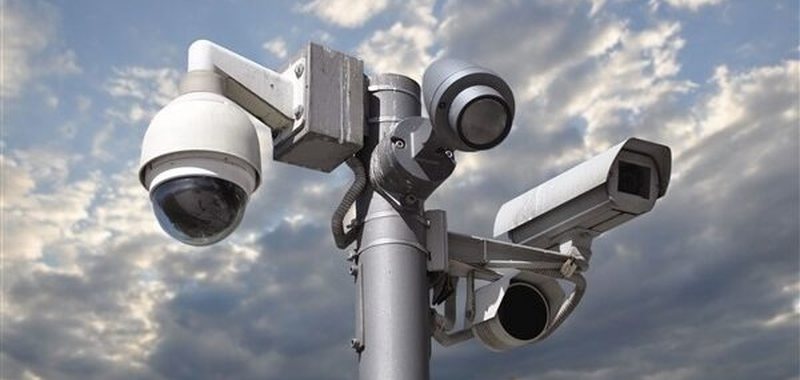
Rrugët, monitorim me kamera - Gati rregullat për sistemet inteligjente të trafikut, informim mbi situatën në kohë reale
Ministria e Infrastrukturës dhe Energjisë ka miratuar udhëzimin që përcakton mënyrën se si do të zbatohen sistemet inteligjente të transportit në të gjithë......
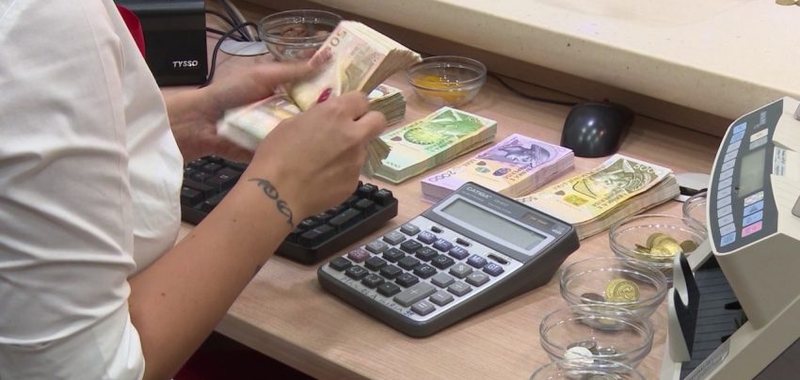
Sa para “prishin” shqiptarët? - 1 nga 5 kartëmonedha rezulton çdo vit e dëmtuar
Paraja fizike qarkullon intensivisht në Shqipëri, por konsumohet me shpejtësi. Referuar të dhënave të Bankës së Shqipërisë, të përpunuara nga SCAN, rezulton......

Tregtimi i energjisë Shqipëri - Kosovë/ ALPEX, 287.3 mln lekë për ngritjen e platformës: Forcon transparencën dhe konkurrencën
Bursa Shqiptare e Energjisë Elektrike ALPEX ka shpallur kompaninë fituese të që do të ngrejë Platformën e Tregtimit Elektronik për Shqipërinë dhe Kosovën,......
Integrimi në BE, Mali i Zi plotëson 64% të detyrimeve - Në qershor Samitit BE – Ballkani Perëndimor mbahet në Podgoricë
Gjatë vitit 2025 janë realizuar 64% e detyrimeve të vendosura për rrugën e anëtarësimit në BE. Këtë deklarim ka bërë Qeveria e Malit të Zi në kuadër të......