Kryeadministratorja e AAPSK: Ripërdorimi social i pasurive të konfiskuara, instrument kundër pabarazive dhe diskriminimit

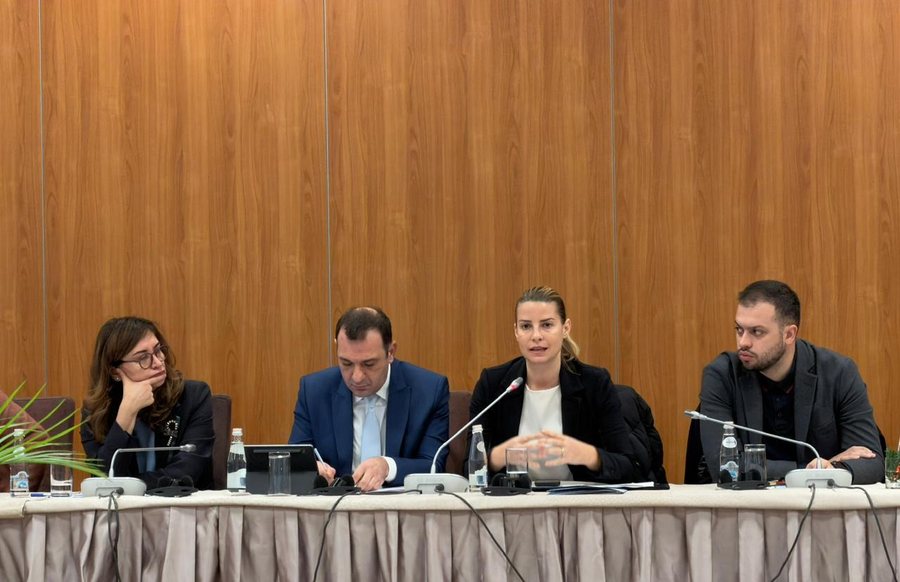
Kryeadministratorja e Agjencisë për Administrimin e Pasurive të Sekuestruara dhe Konfiskuara (AAPSK), Risena Xhaja, mbajti sot fjalën përshëndetëse në Konferencën Vjetore të organizuar nga Komisioneri për Mbrojtjen nga Diskriminimi, me pjesëmarrjen e përfaqësuesve të institucioneve publike dhe organizatave të shoqërisë civile.
Në fjalën e saj, Xhaja theksoi se viti 2025 ka qenë një vit me zhvillime pozitive për AAPSK, duke u shoqëruar me rritje të transparencës, përmirësim të procedurave dhe forcim të standardeve të llogaridhënies në administrimin e pasurive të sekuestruara dhe të konfiskuara.
Një vëmendje e veçantë iu kushtua ripërdorimit social të pasurive të konfiskuara nga krimi i organizuar, të cilin Kryeadministratorja e cilësoi si një instrument të drejtpërdrejtë për kthimin e pasurive të paligjshme në vlerë për shoqërinë. Sipas saj, ky proces nuk përbën vetëm një mekanizëm administrativ, por një politikë me ndikim të qartë social, që kontribuon në forcimin e kohezionit social, rritjen e solidaritetit dhe mbështetjen e komuniteteve në nevojë.
“Ripërdorimi social i pasurive është mënyra se si shteti i përgjigjet padrejtësive dhe pabarazive, duke i kthyer pasuritë e krimit në shërbim të interesit publik,” u shpreh Xhaja, duke nënvizuar se kjo qasje ka ndikuar pozitivisht edhe në perceptimin publik ndaj AAPSK, si një institucion me rol aktiv në shërbim të shoqërisë.
Kryeadministratorja theksoi gjithashtu afrimin e agjencisë me komunitetet dhe organizatat e shoqërisë civile, duke e konsideruar komunikimin, transparencën dhe hapjen ndaj publikut si elementë kyç për ndërtimin e besimit dhe rritjen e efektivitetit institucional.
Duke folur për perspektivën e vitit 2026, Xhaja bëri të ditur se AAPSK synon të forcojë më tej ndikimin social të pasurive të rikthyera në përdorim publik, të thellojë standardet e transparencës dhe të zgjerojë bashkëpunimin me aktorët që veprojnë në terren për mbrojtjen e të drejtave të njeriut dhe përfshirjen sociale.
Konferenca Vjetore e Komisionerit për Mbrojtjen nga Diskriminimi shërbeu si një platformë dialogu dhe reflektimi mbi veprimtarinë e institucionit gjatë vitit 2025 dhe forcimin e bashkëpunimit ndërinstitucional dhe me shoqërinë civile në luftën kundër diskriminimit.

Dekarbonizimi i sektorit energjetik - Raporti i Komunitetit të Energjisë: Progresi në masën 60%
Komuniteti i Energjisë ka publikuar raportin vjetor të zbatimit për vitin 2025, ku vlerëson progresin e Shqipërisë në procesin e dekarbonizimit të sektorit......
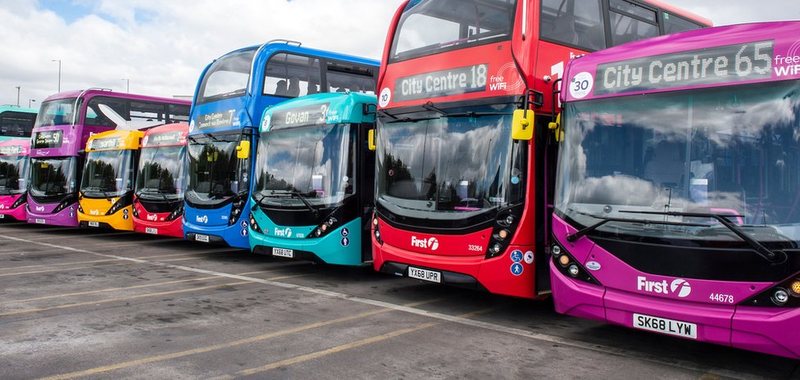
Shqipëria ka 3.8 autobusë për 1,000 banorë/ Vendi kryeson rajonin dhe renditet ndër shtetet me raportin më të lartë në Europë
Transporti publik është një nga faktorët më të rëndësishëm për mbarëvajtjen e qyteteve, sidomos në qytetet e mëdha ku ka një fluks të lartë qytetarësh dhe......
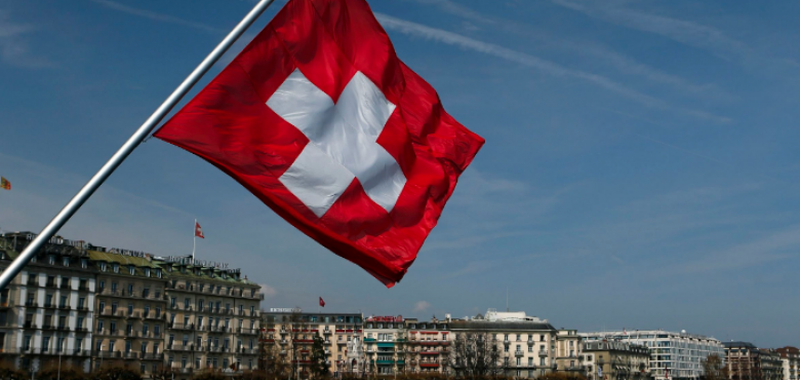
Zvicra, “optimiste” për vitin 2026 - Ulja e tarifave amerikane përmirëson perspektivën ekonomike
Qeveria zvicerane ka përmirësuar parashikimin për rritjen ekonomike në vitin 2026. Kjo vjen pas marrëveshjes me Shtetet e Bashkuara për uljen e tarifave të......
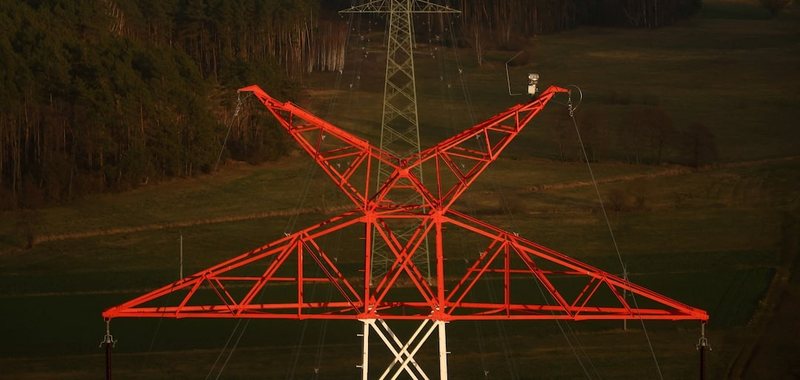
Punësimi në sektorin e energjisë, dyfishi i normës globale - Industria punësoi 76 milionë njerëz vitin e kaluar, me 2.2% rritje
Një raport i ri nga Agjencia Ndërkombëtare e Energjisë (IEA) tregon se në vitin 2024, ritmi i rritjes së punësimit në sektorin e energjisë ishte dy herë më i......

Transformim urban në Radhimë - Investim 102 mln lekë për rrugë, hapësira publike dhe viewpoint-e panoramike
Fondi Shqiptar i Zhvillimit ka shpallur hapjen e garës për transformimin urban në hapësira publike kryesore për rigjenerim urban të fshatit Radhimë, Vlorë.......

Sa shpenzojnë shqiptarët jashtë? Çdo dalje nga territori i Shqipërisë na kushtoi rreth 350 euro
Në periudhën Janar-Shtator 2025, çdo dalje e një shtetasi shqiptar jashtë vendit ka kushtuar mesatarisht rreth 352 euro, pothuajse në të njëjtin nivel me 349......
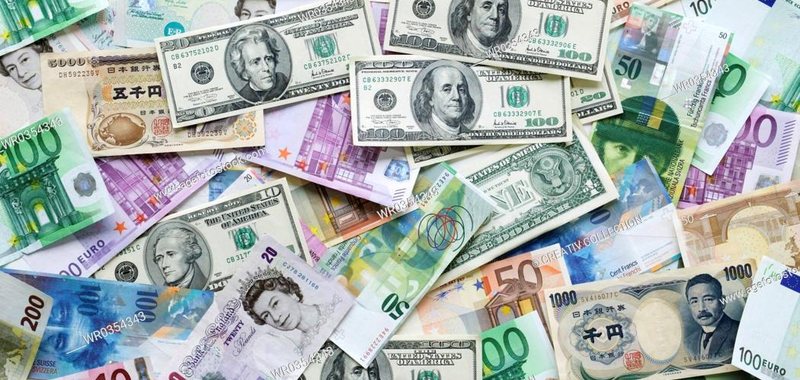
Si ka nisur kjo javë për valutat kryesore?
Dollari amerikan e ka nisur javën negativisht pasi në raport me javën e kaluar ka humbur pikë gjatë fundjavës duke u blerë këtë mëngjes me 81.7 lekë dhe duke......

Çmimet e ushqimeve në Evropë - Cilat janë shtetet më të shtrenjta?
Ushqimi është një nga shpenzimet më të mëdha për familjet në Evropë, duke përbërë mesatarisht rreth 11.9% të shpenzimeve në të gjithë Bashkimin Evropian,......