IHP measures risk factors for chronic diseases - Prevention, less cost for health and the economy


Albania will conduct a new national survey to measure the main risk factors associated with noncommunicable diseases. Through the World Health Organization's STEPS methodology, the Institute of Public Health will collect data on smoking, alcohol consumption, obesity, hypertension, physical activity and diet. The survey will provide updated information that will serve as an important basis for the design, implementation and monitoring of evidence-based policies and programs, with the aim of reducing the burden of noncommunicable diseases and improving the health of the population.
Essentially, the study aims to answer the question of how exposed Albanians are today to factors that lead to chronic diseases. This is a picture that is not only shown by the number of patients, but by the way the population lives, its habits and the risks it faces every day. The importance of this study is related to the fact that non-communicable diseases continue to be the main cause of death in our country.
However, the challenge is not just their treatment, but prevention. To prevent, institutions need to know which factors are most prevalent, which age groups are most at risk, and where policy interventions should be focused.
Thus, the STEPS study is not simply a statistical process. It aims to create an updated map of health risks in the country, giving policymakers a stronger basis for decision-making. Without reliable data, even prevention programs risk not addressing real problems.
The benefits are not limited to the health system. A healthier population means fewer cases of chronic diseases, fewer hospitalizations, fewer long-term treatments, and a more active workforce. In this regard, investing in prevention is not only a health policy, but also an economic investment, as it reduces the costs that chronic diseases create for the state budget, businesses, and families themselves.
However, the value of this study will not be measured by the number of completed questionnaires or analyses performed. It will depend on how the results are translated into concrete policies to reduce risk factors and improve the health of the population. Only then will the study achieve its goal: to help not only treat diseases, but also prevent them.

How have municipal revenues changed in 10 years? - Taxes that account for the main share in local budgets
Municipalities have significantly increased their revenues over the past decade. During the ten-year period 2015–2025, the fiscal performance of local......

Industrial clusters, the new model for attracting investments - The strategy aims to integrate local businesses into global supply chains
The government has approved another measure within the framework of the Business Development and Investment Strategy 2021–2027, which aims to create a......
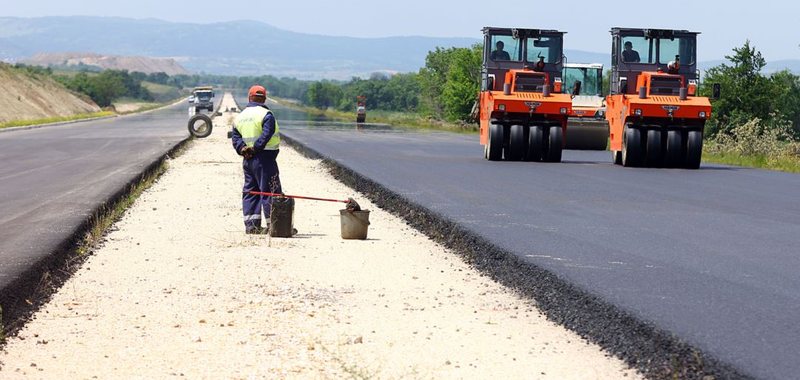
441 million lek for road maintenance - ARRSH announces winners for three regions, bids 7% lower than the fund limit
The Albanian Road Authority has announced the winners of 3 procurement procedures for the performance maintenance of the main road axes in the country, for......
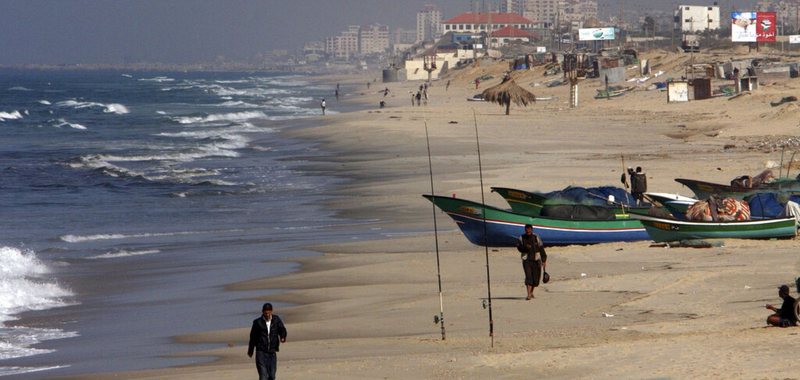
Gaza, the first military base with Moroccans - Implementation of Trump's Peace Board plan begins
The Peace Board has awarded the first contract for the construction of a military base in the Gaza Strip, which aims to house a force of around 150 Moroccan......

In the capital or on the coast? - Study shows the safest areas for rental income in Albania
Investing in real estate is not always about the highest return. For many buyers, especially those buying their first apartment to rent out, what matters......

Instagram, the first choice of young people in Albania - Men lead with the highest number of users
Facebook continues to be the social network with the largest number of users in Albania, while Instagram is increasingly strengthening its position,......

Improvement of road axes in 12 regions - ADF opens tenders worth 2.5 billion lek, aiming to improve access
With a fund limit of 2.5 billion lek, the Albanian Development Fund has opened two procurement procedures for the improvement of road axes in 12 regions of......

Exhibition of handicrafts opens in the premises of a confiscated property in Tirana
A success story of the social reuse of confiscated assets was presented today in Tirana, with the opening of the exhibition "Weaving Carpets", which brings......