More young people without jobs and vocational training - Uncertain future prospects in Germany

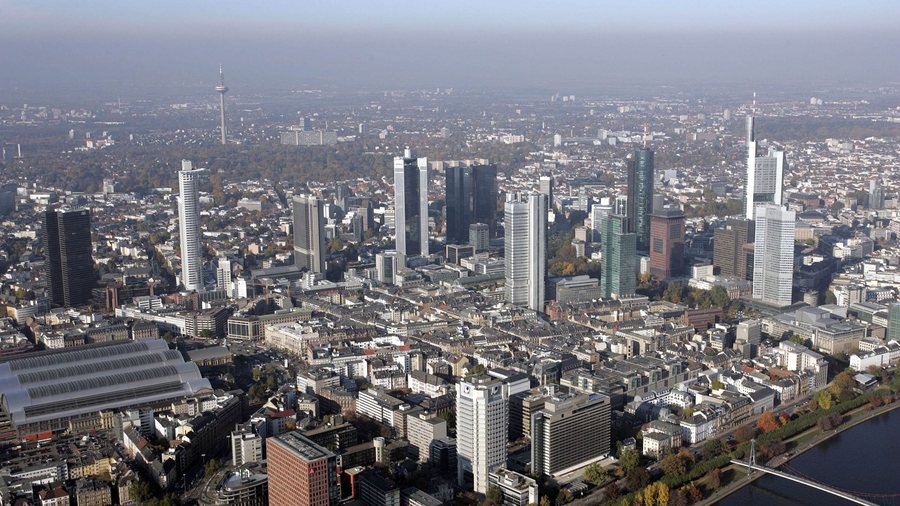
Ten percent of young people aged 20 to 24 in Germany were neither employed nor in education or training in 2025, according to the Federal Statistical Office in Wiesbaden. This percentage has been increasing steadily in recent years.
The reasons are varied. The statisticians referred to the National Education Report for 2024, according to which 25% of those affected in Germany were considered to be looking for work. However, two-thirds of them were not available for the labor market at all. The most frequently cited reasons were family care obligations and health restrictions.
For the young people affected, this means an uncertain future and, most likely, a difficult and challenging professional career. For the German labor market, this means the loss of important specialists and a qualified workforce.
Experts emphasize that more quality vocational training offers and more support for young people are urgently needed, so that they can successfully complete the path to a profession and then to the labor market.
Compared to other European countries, Germany's percentage remains low. The average for the 27 European Union countries was 12.9% for the 20 to 24 age group. The lowest percentage was recorded in the Netherlands with 5.6%, followed by Sweden with 7.3% and the Czech Republic with 7.6%.
The highest percentage was recorded in Romania with 22.8%, Bulgaria with 17.3% and France with 16.2%.
In Germany, young people living in large cities are more often unemployed or without vocational training than those living in rural areas. At the European Union level, the situation is the opposite: young people in rural areas are more affected by this phenomenon than those in cities.

Foreign dairy is flooding the market/ From milk to eggs, the bill that Albania pays is at historic levels
From milk to cheese, eggs and honey, Albania's bill for imported products is at historically high levels. In July 2026 alone, imports in this category......

Albania vs Europe, where did prices increase the most? From 0.3% in Sweden to 8.2% in Romania, Albania stops at 3.4%
Price increases in Albania accelerated in July, pushing inflation above the European Union average. According to the Harmonized Index of Consumer Prices,......

"Energy reforms yield concrete results" - Karakaçi: Albania fulfills obligations for 600 MW of new capacities
Reforms in the energy sector and measures taken within the framework of the European integration process have brought concrete results during the period......
State assets under review - Objects over 70 years old, among the criteria for cultural property status
State-owned properties built or created more than 70 years ago will be subject to a verification process to determine whether they have cultural interest. A......

Interest in licenses in energy production - ERE: 22 procedures in process, led by solar power plants
The interest in investments in electricity production is also reflected in the number of applications awaiting a decision from the Energy Regulatory......

Employment of foreigners, approval within 1 day - Employer must declare salary and working conditions
From 10 days to just one working day. This is the new deadline that the National Employment and Skills Agency will have available to grant approval for the......

How much honey does Albania produce? - 58 thousand more hives, the quantity on the market increases
Honey production in the country is increasing significantly from year to year, showing signs of an expanding sector, where support measures from the National......

Albania, second in Europe for flight growth/ Air activity increased by 28.6% in July, while the country leads the region
Albanian tourism has continued to grow strongly in recent years, making the country one of the most sought-after destinations in the region. This increase in......