Albanians were fed with imported meat in April/ The second highest value is recorded. Brazil dominates with 45% of the weight

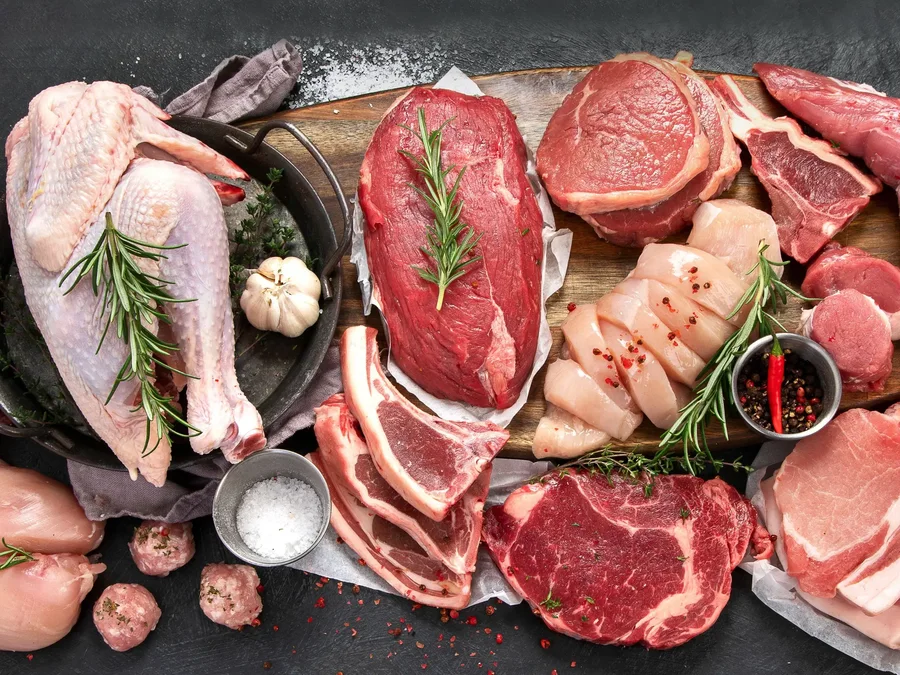
Albania is increasingly relying on imported meat, at a time when domestic production is shrinking and the livestock sector is gradually losing production capacity.
Official data shows that during April 2026, imports of meat and edible offal reached about 894 million lekë, the second highest historical level ever recorded for a month in 20 years. The record remains July 2025, when imports reached about 950 million lekë.
The increase is not only related to prices, but also to imported quantities. In April, the weight of meat imported from abroad reached over 5 million kilograms, the highest level in recent years. This shows that the Albanian market is increasingly relying on imported supplies to cover domestic demand.
In parallel, the average price of imported meat has also increased. Data shows that the average price per kilogram reached about 178.6 lekë in April 2026, from about 153.4 lekë per kilogram in the same month a year earlier.
While a few years ago monthly meat imports typically fluctuated between 400 and 600 million lek, over the past two years they have been increasingly approaching record levels. This suggests a deeper shift in the supply structure of the domestic market.
The increase in imports comes at a time when domestic production is trending in the opposite direction. According to data, total meat production in Albania fell to around 130,000 tons in 2024, the lowest level recorded in the last two decades.
After peaking at over 161,000 tons in 2018, domestic production has been in steady decline. During the 2018-2024 period alone, meat production fell by more than 31,000 tons, or about 19%.
The decline in production is related to shrinking livestock numbers, higher farm costs, emigration from rural areas, and difficulties in maintaining profitable livestock activity.
In April, Brazil was the main supplier of imports for this product category, accounting for about 45% of the total. It was followed by the United States with 12.5%, Italy with 8.2% and Greece with 8%, while Paraguay held about 6.3% of imports. The rest of the market was divided between other countries such as Serbia, Spain, the Netherlands and North Macedonia, with significantly smaller shares.

More university graduates/ The number of managers, lawyers and engineers continues to increase
The education system in Albania has produced approximately 82,600 graduates at all levels of education during the 2024-2025 academic year. Data published by......
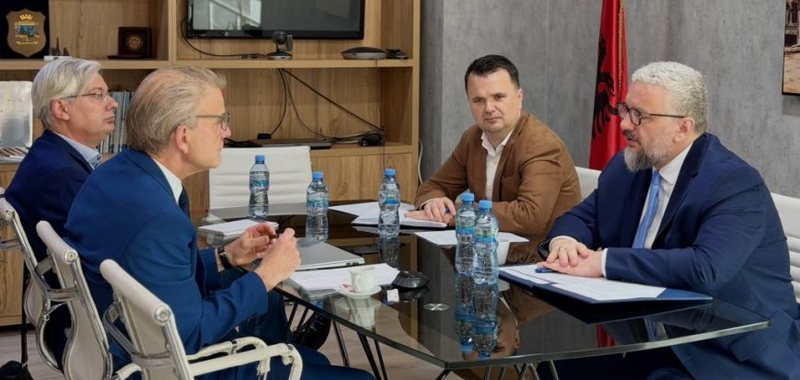
Taxes and the IMF for "Fiscal Peace": Meetings will continue to monitor the progress of reforms and the implementation of measures
The Director General of Taxation, Ilir Binaj, together with experts from the International Monetary Fund (IMF), held a meeting focused on monitoring and......
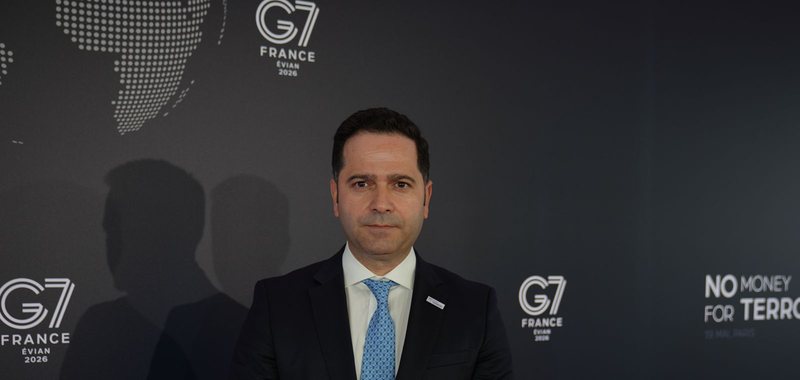
Malaj: Albania committed to strengthening international cooperation in the fight against terrorist financing
The Minister of Finance, Petrit Malaj, participated in the 5th international ministerial conference "No Money for Terror", which was held in Paris, France,......
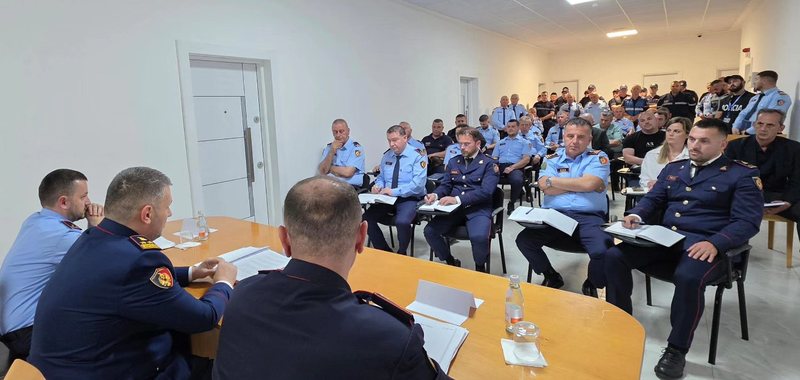
Hita: Unacceptable situation in Saranda, reflection on restoring citizens' trust in the police
The General Director of the State Police, Director Madhor Skënder Hita, held a meeting with the structures of the Saranda Police Commissariat, with a focus......
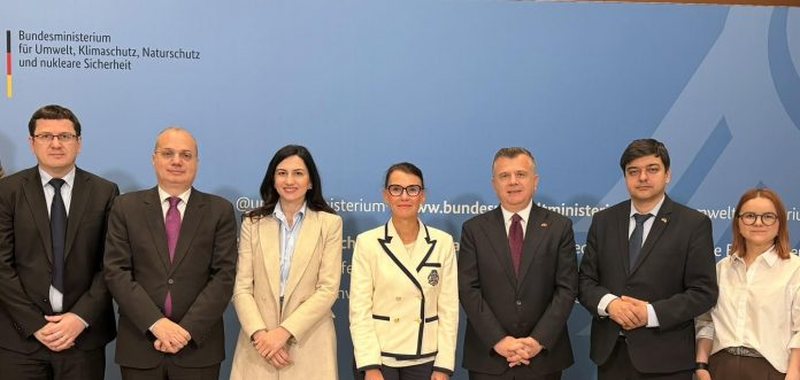
European integration process/ Balla in Berlin: Environment, among the most challenging chapters
The Chairman of the Socialist Party parliamentary group, Taulant Balla, and the Chairman of the Committee for Europe and Foreign Affairs, Igli Hasani, during......
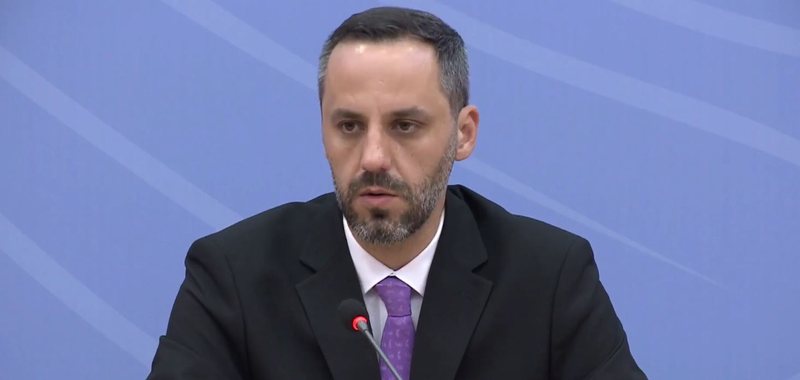
Illegal constructions/ Lamallari: Intensive field inspections, 67 administrative measures in 1 month
The Minister of Internal Affairs, Besfort Lamallari, announced today that measures to prevent unauthorized construction in the territory have been......
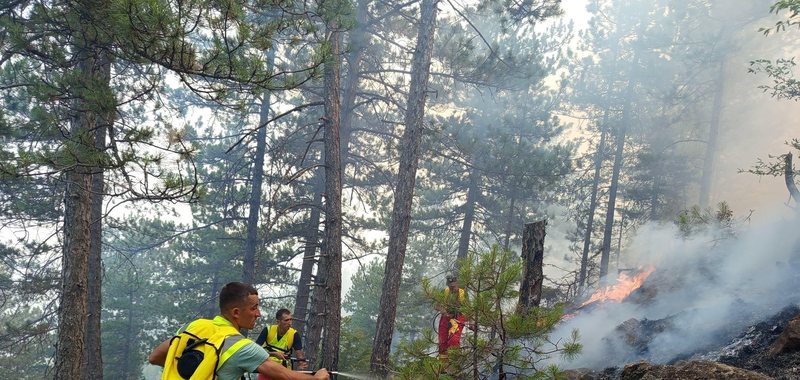
Operational plan for fire prevention/ Lamallari: Review of ranks and financial treatment for firefighters
The Minister of Interior, Besfort Lamallari, stated today that an operational plan of measures has been drafted for the prevention and protection from fires......
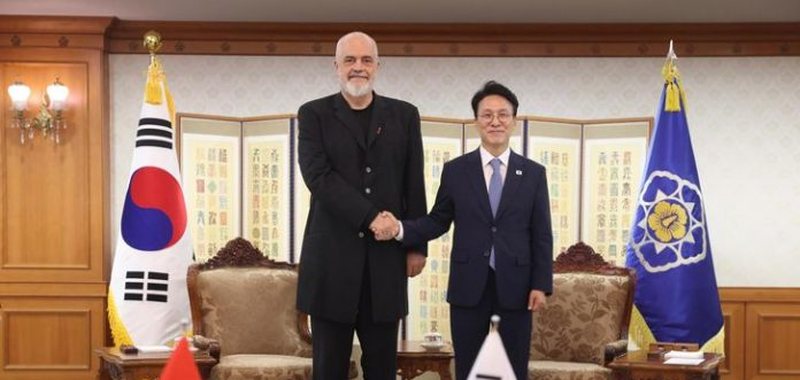
Albania and South Korea towards strengthening cooperation in AI and investments
Prime Minister Kim Min-seok met with Albanian Prime Minister Edi Rama and discussed ways to strengthen relations between the two countries, Kim's office......