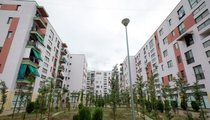
Tenders, "bonus points" for energy efficiency - Demand for public purchases, cars to be only electric


Institutions will have to respect stronger standards for energy efficiency in public procurement and the purchases they make, according to the changes foreseen in the draft law "On Energy Efficiency".
According to the draft released for consultation, public authorities will be obliged to implement mandatory energy saving criteria in tenders and concession contracts above a certain financial threshold. The evaluation of offers will no longer be based solely on price, but also on the cost over the entire life cycle of the product, including environmental impact, long-term costs and economic benefits.
Meanwhile, the draft law also sets concrete requirements for the purchase of efficient products, buildings and services. Public authorities will only have to purchase products that belong to the two highest energy efficiency classes, according to the energy labelling legislation. For technological equipment, street lighting or data centres, the basic standards of the European Union's green public procurement will be applied as a minimum.
Another innovation relates to vehicles. According to the draft law, all new vehicles to be procured by state institutions must be electric or hybrid.
Likewise, buildings purchased or rented by public institutions must comply with national energy performance standards, through a performance certificate and energy audit, with the exception of special cases such as historic buildings or those that will undergo major renovations.
The draft law aims not only to reduce energy consumption in the public sector, but also to reduce budgetary costs, improve environmental impact, and align with European Union practices.
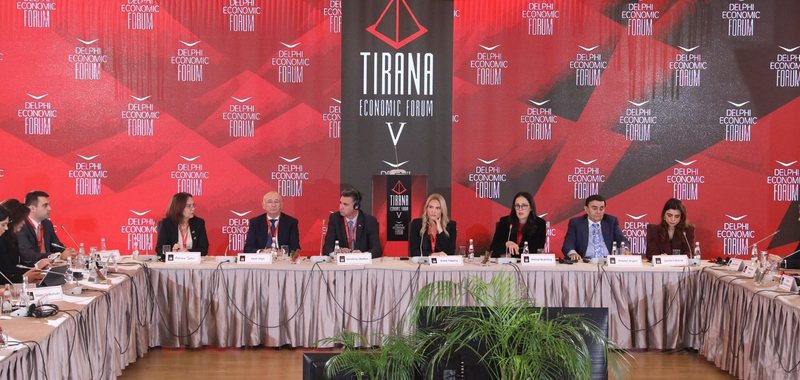
"Albania, ready for high-quality investments" - Prime Minister Rama, promise to foreign investors: Support with fiscal incentives
Prime Minister Edi Rama participated in the "Tirana Economic Forum", from where he invited foreign entrepreneurs to invest in Albania, as there are 4 sectors......

Albanian businesses face the AI era/ EBRD highlights low adoption, but can compensate for workforce decline
The use of artificial intelligence is spreading rapidly in developed economies, while the countries of the Western Balkans, including Albania, continue to......

Albanians, welcoming to foreign workers/Serbia and North Macedonia, skepticism about increasing work permits
The Regional Cooperation Council's Securimeter report sheds light on the perceptions of citizens of six Western Balkan countries regarding policies for......

Olive oil, farmers increase quality - Rrapaj: Indigenous cultivars produce poor yields
Some of the indigenous olive cultivars have not had a good production season this year, and the main contributing factor is drought. In an interview with SCAN......

EU reaches climate deal - Aims to cut emissions by 90% by 2040
The European Union agreed to set a legally binding target to reduce greenhouse gas emissions by 90% by 2040, compared to 1990 levels. In practice, the......
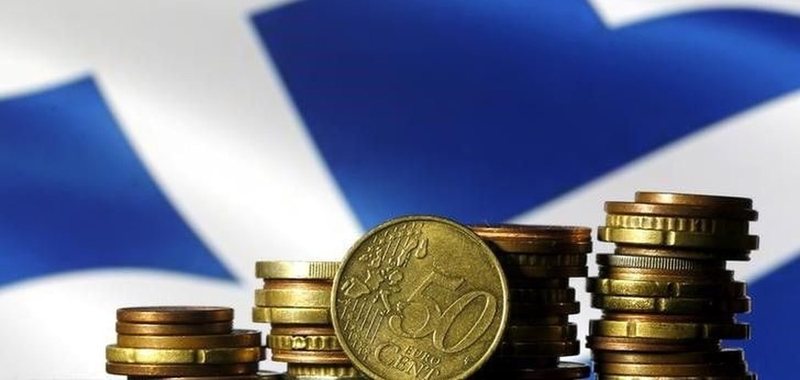
What is hindering economic growth in Greece? - Housing crisis and labor shortage, among the main factors
The housing crisis, the lack of a skilled workforce and the inefficient functioning of the judicial system constitute, according to Goldman Sachs, the main......
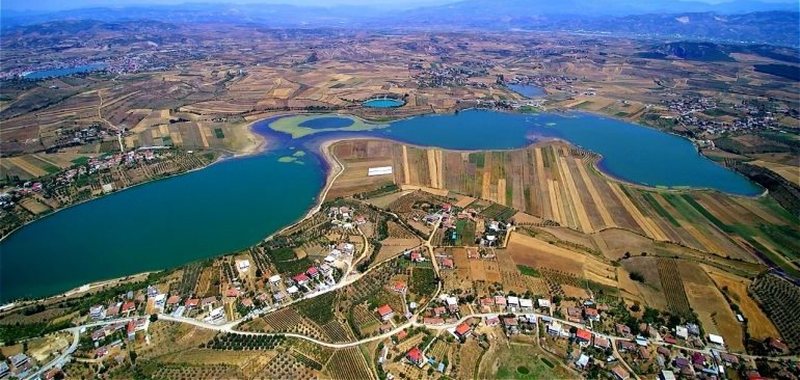
New tourist trail in Dumre - Aims to increase access and visitors
The Municipality of Belsh has announced the opening of the competition for the creation of the tourist trail Lake Degës - Lake Çestije - Lake Merhojes and......

Who should increase the value of property? - Property revaluation, costs and benefits
From January 1, 2026, Albanian citizens will have the opportunity to revalue their assets at a 5% tax rate, with the aim of bringing cadastral values......