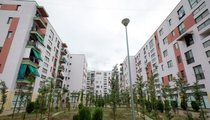
Albanians, welcoming to foreign workers/Serbia and North Macedonia, skepticism about increasing work permits


The Regional Cooperation Council's Securimeter report sheds light on the perceptions of citizens of six Western Balkan countries regarding policies for foreign workers.
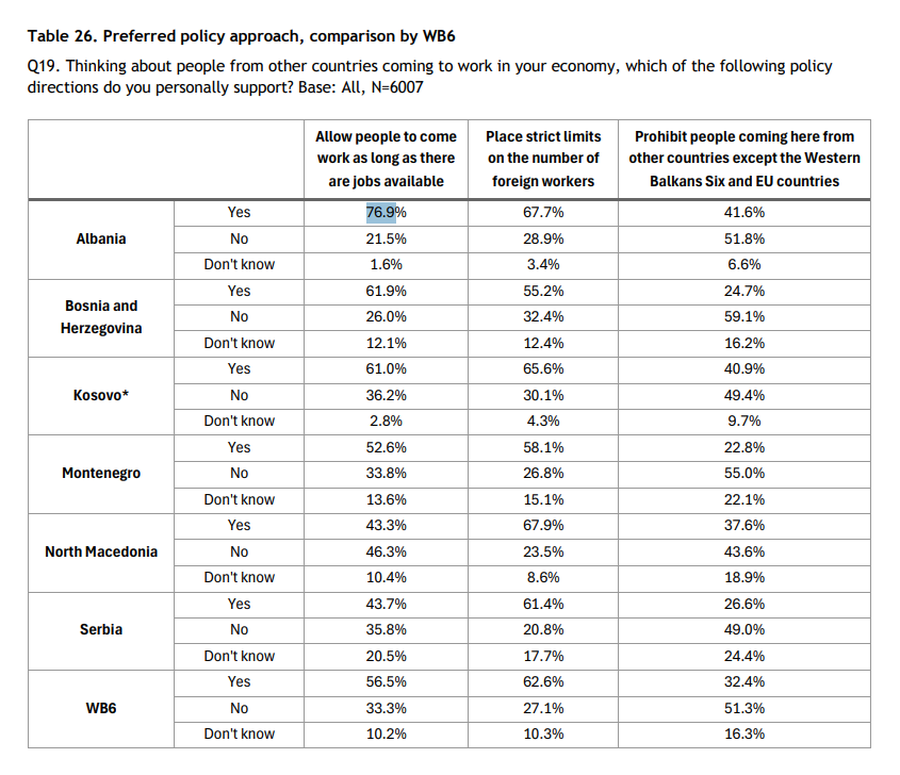
Support for opening the labor market to foreign workers, provided that there are job vacancies, varies significantly across Western Balkan countries, reflecting different public approaches to labor migration.
According to the data, Albania, Bosnia and Herzegovina and Kosovo show the highest levels of acceptance for this policy, with 76.9%, 61.9% and 61.0% of respondents supporting the idea that people from other countries should be allowed to work as long as there are jobs available. This high level of support suggests a more liberal orientation and perhaps a need for labor in these economies.
Montenegro presents an average support of 52.6%, indicating a cautious but generally positive approach to labor migration, which can be linked to local market demands.
In contrast, North Macedonia and Serbia show the lowest levels of support, with around 43% of respondents accepting this policy. In the case of Serbia, this result is particularly significant, given the large number of work permits issued each year to foreign workers, which indicates a discrepancy between public perception and economic reality.
At the regional level, 56.5% of Western Balkan citizens support allowing the employment of foreigners when there are vacancies, while 62.6% prefer to impose strict restrictions on the number of foreign workers. Only 32.4% support banning entry from countries outside the region and the European Union, indicating that protectionism is not dominant, but exists as a tendency.

Olive oil, farmers increase quality - Rrapaj: Indigenous cultivars produce poor yields
Some of the indigenous olive cultivars have not had a good production season this year, and the main contributing factor is drought. In an interview with SCAN......

EU reaches climate deal - Aims to cut emissions by 90% by 2040
The European Union agreed to set a legally binding target to reduce greenhouse gas emissions by 90% by 2040, compared to 1990 levels. In practice, the......

What is hindering economic growth in Greece? - Housing crisis and labor shortage, among the main factors
The housing crisis, the lack of a skilled workforce and the inefficient functioning of the judicial system constitute, according to Goldman Sachs, the main......
New tourist trail in Dumre - Aims to increase access and visitors
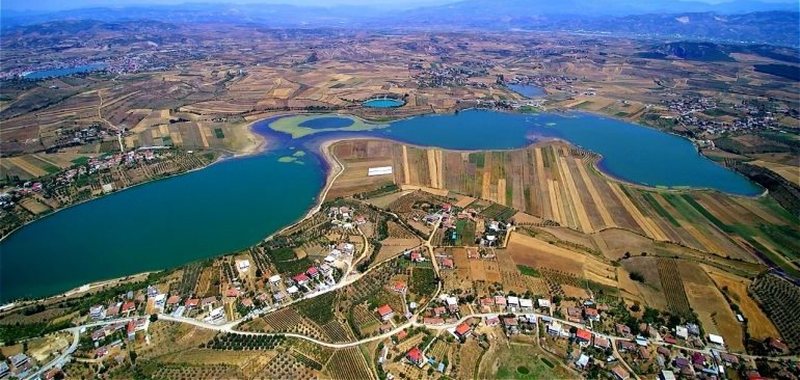
The Municipality of Belsh has announced the opening of the competition for the creation of the tourist trail Lake Degës - Lake Çestije - Lake Merhojes and......

Who should increase the value of property? - Property revaluation, costs and benefits
From January 1, 2026, Albanian citizens will have the opportunity to revalue their assets at a 5% tax rate, with the aim of bringing cadastral values......
European green hydrogen market faces obstacles - High production costs and uncertainty, among the biggest challenges
The European Union's goal of producing 10 million tons of renewable hydrogen by 2030 is at odds with current market realities due to fuel production costs......

Bad loans return to decline in October/Non-performing loans indicator fluctuates, but remains at healthy levels
The latest data from the Bank of Albania shows that after a period of stability for several months, the level of non-performing loans increased slightly......
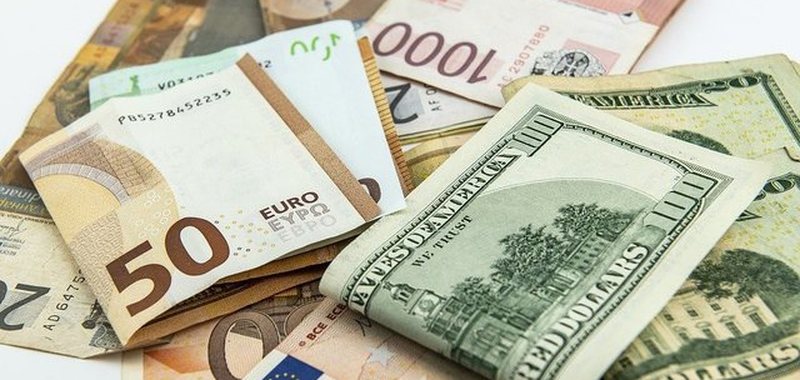
What happened in the foreign exchange market today – Slight fluctuations for the Swiss Franc
The US dollar has managed to stabilize this morning after a slight but continuous decline it suffered during these days, as it was bought today at 82.5 lek......