Olive oil, farmers increase quality - Rrapaj: Indigenous cultivars produce poor yields

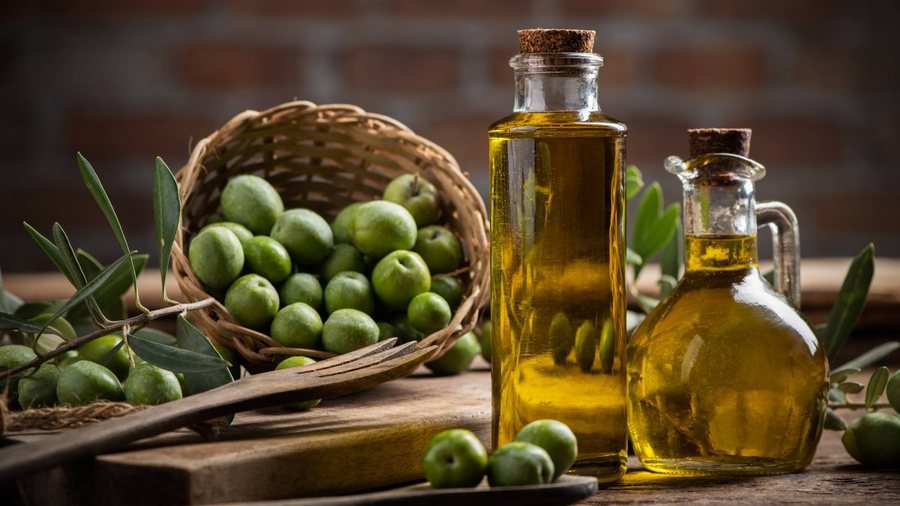
Some of the indigenous olive cultivars have not had a good production season this year, and the main contributing factor is drought.
In an interview with SCAN TV, the Chairman of the Albanian Agribusiness Council, Agim Rrapaj, emphasizes that despite this, farmers are increasingly oriented towards the production of quality olive oil, thus somewhat compensating for the decline in production.
"This year's olive production season is not a season of abundant production, it is a season in which there are different cultivars that have production, but the autochthonous cultivars, such as the Kalinjot olive and the white olive of Tirana or the Mixani of Elbasan, these cultivars have not given the expected production due to drought and at the same time the olive fly. While other cultivars that are more resistant to them, are giving better results. There is already a change with the work that has been done for quality and standards, farmers are more careful to produce as much quality oil as possible, in order to compensate for the loss they have from the lack of quantity. Quality will serve as one of the main sources to increase farmers' income, especially when there is no quantity of production."
According to Rrapaj, no major price fluctuations are expected, while all production is considered sold.
"Prices will vary from area to area according to quality, but I don't believe there will be higher prices than they were. They will be almost the same as last year. The oil is sold and producers have no problems selling it both abroad and here."
Olive is one of the sectors with the most potential in Albania. In 2024, production reached almost 147 thousand tons. The area planted with olives is about 50–55 thousand hectares and there are a total of 12 million olive trees throughout Albania.
But despite its potential, this sector faces numerous difficulties, ranging from a lack of labor and the need to embrace innovation.

EU reaches climate deal - Aims to cut emissions by 90% by 2040
The European Union agreed to set a legally binding target to reduce greenhouse gas emissions by 90% by 2040, compared to 1990 levels. In practice, the......

What is hindering economic growth in Greece? - Housing crisis and labor shortage, among the main factors
The housing crisis, the lack of a skilled workforce and the inefficient functioning of the judicial system constitute, according to Goldman Sachs, the main......
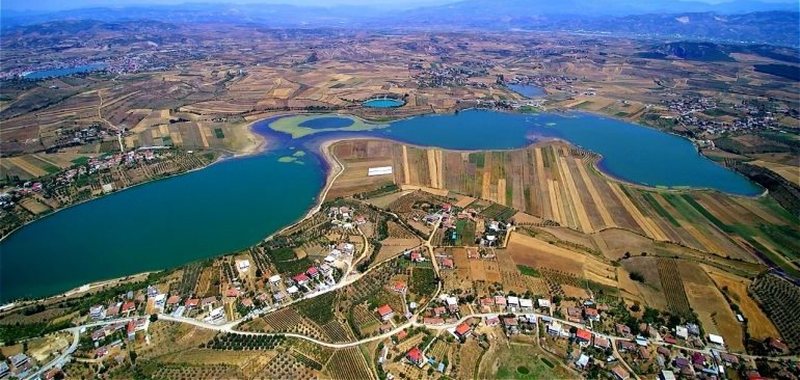
New tourist trail in Dumre - Aims to increase access and visitors
The Municipality of Belsh has announced the opening of the competition for the creation of the tourist trail Lake Degës - Lake Çestije - Lake Merhojes and......

Who should increase the value of property? - Property revaluation, costs and benefits
From January 1, 2026, Albanian citizens will have the opportunity to revalue their assets at a 5% tax rate, with the aim of bringing cadastral values......
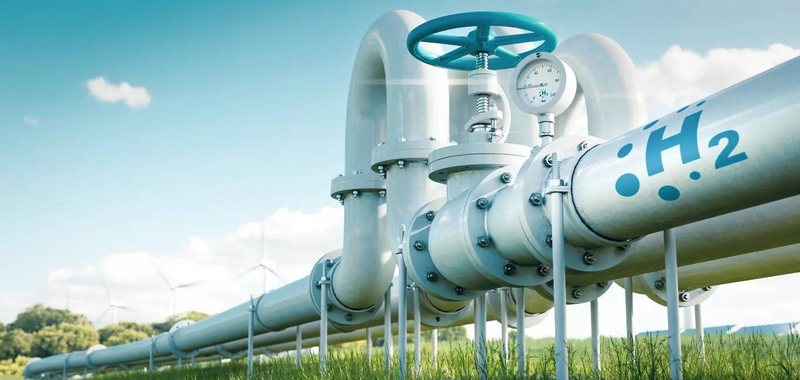
European green hydrogen market faces obstacles - High production costs and uncertainty, among the biggest challenges
The European Union's goal of producing 10 million tons of renewable hydrogen by 2030 is at odds with current market realities due to fuel production costs......

Bad loans return to decline in October/Non-performing loans indicator fluctuates, but remains at healthy levels
The latest data from the Bank of Albania shows that after a period of stability for several months, the level of non-performing loans increased slightly......

What happened in the foreign exchange market today – Slight fluctuations for the Swiss Franc
The US dollar has managed to stabilize this morning after a slight but continuous decline it suffered during these days, as it was bought today at 82.5 lek......

France approves social security budget - National Assembly approves bill amid political tensions
The Social Security Financing Bill was narrowly passed by the lower house of the French parliament. It was a major victory for Prime Minister Sébastien......