How much were loans affected by the depreciation of the euro? - BoA: The quality of loans in foreign currency not hedged by the exchange rate has improved

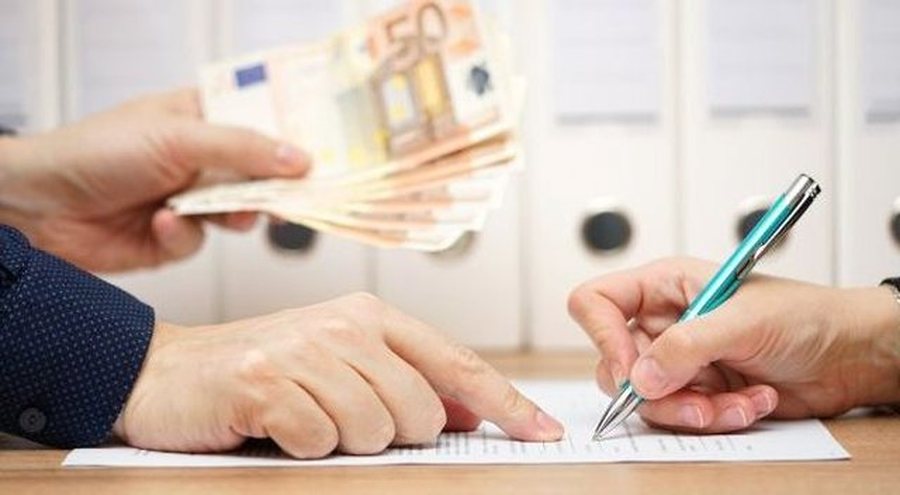
The quality of foreign currency loans unhedged from exchange rate fluctuations improved in the second half of last year.
Borrowing in foreign currency is slightly more sensitive than borrowing in lek, due to the risk posed by exchange rate fluctuations. Loans not protected by exchange rate are those loans taken in a foreign currency (usually the euro), from entities that do not have income in the same currency. This means that in the event of a depreciation of the lek, the payment of installments becomes more expensive, increasing the financial burden for borrowers.
The Financial Stability Report of the Bank of Albania shows that compared to the end of the first half of the year and a year earlier, the stock of unsecured loans was 6% and 2% lower in the second half of 2025. The contraction of the unsecured loan portfolio has caused its weight in relation to total loans and foreign currency loans to fall to 9% and 21%, respectively.
This performance of unsecured credit indicates a decrease in the banking sector's exposure to indirect exchange rate risk and represents a positive development both in terms of borrower protection and in terms of banking sector sustainability.
The largest share of unsecured foreign currency loans is represented by real estate loans (67%) and trade loans (14%). Despite the fact that the largest share of unsecured real estate loans is held by individuals, the 12% increase in this portfolio during the period came from the increase in real estate investment loans for businesses, and this development may require increased caution by banks, the Bank of Albania states.
The ratio of non-performing loans to loans not hedged by exchange rate was 3.8% at the end of the year, not showing much change from the previous period.
“Young people work, but are not valued” - ALTAX Analysis: Seasonal jobs and low wages
The Albanian economy is creating more jobs than a decade ago, but many of them remain precarious, seasonal, and with wages that do not keep pace with the......

Over half of the employed in Albania, "manual labor"/ Agriculture, industry and construction hold the main weight
Data from INSTAT show that around 57% of employees in Albania are engaged in sectors that are mainly related to physical labor, or as it is otherwise known,......
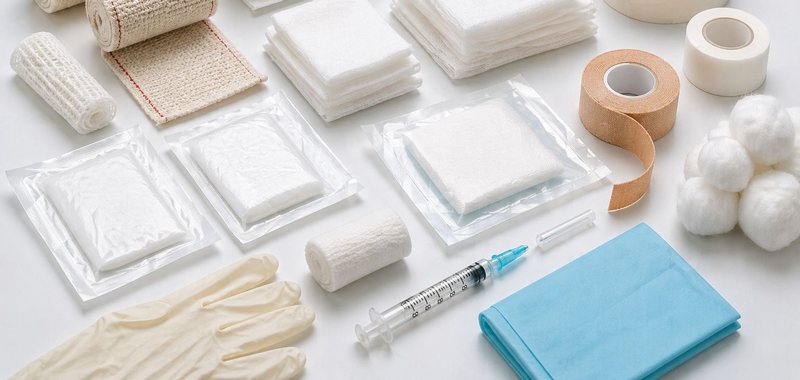
OBP publishes the first catalog for medical materials - Unified standards and prices for hospitals
The Centralized Purchasing Operator (OBP) jsc has published the first catalog for "Purchase of general and surgical medical supplies for hospital needs",......
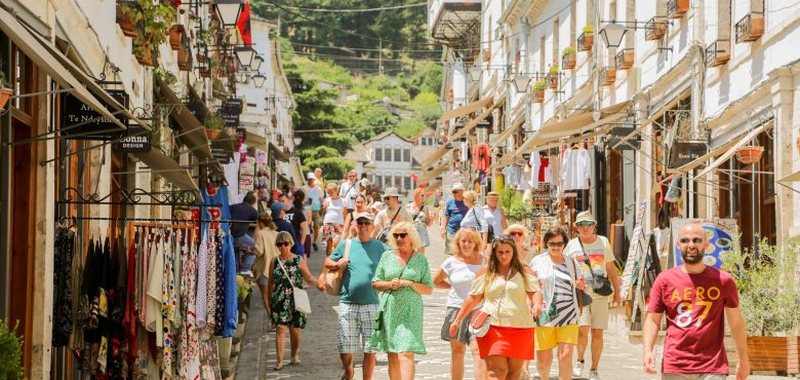
What could summer vacations be like for Europeans? - Nearby destinations are targeted for fear of rising airfares
Europeans may choose closer destinations rather than traveling to more distant places in Asia and the Middle East for their summer vacations, an analyst......
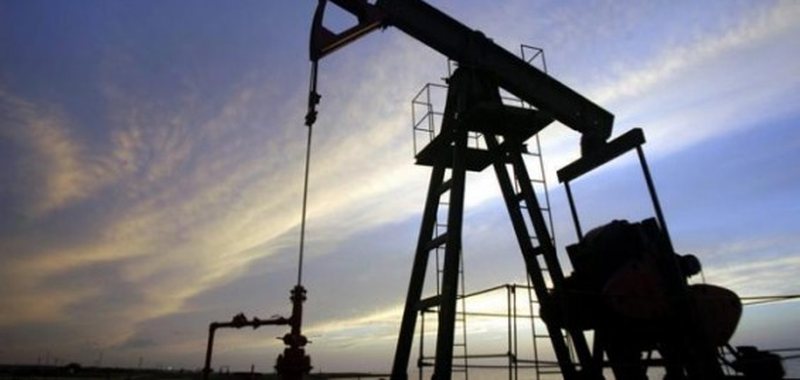
Syria, dependent on Russian oil - Shipments have increased by 75%, to about 60,000 barrels per day this year
Russia has emerged as Syria's main oil supplier, despite the new government's ties to the West and distrust of Moscow for its military support for ousted......
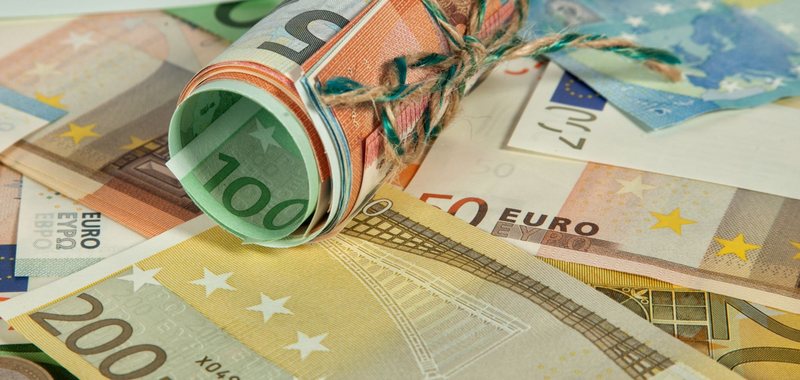
The golden days of the euro are over - Since April 1, 1 euro has been equal to 95 lek. The lek, stronger than ever
The exchange rate continues to favor the lek, while the euro has bottomed out. Since the beginning of the year, the European currency has only depreciated......

Sa i fortë është besimi ekonomik në Shqipëri në 2026? Indeksi i Eurostat tregon luhatje edhe pse renditemi mbi mesataren europiane
Besimi ekonomik në Shqipëri gjatë muajve të parë të vitit 2026 paraqitet i qëndrueshëm, megjithëse me disa luhatje të natyrshme që reflektojnë zhvillimet......
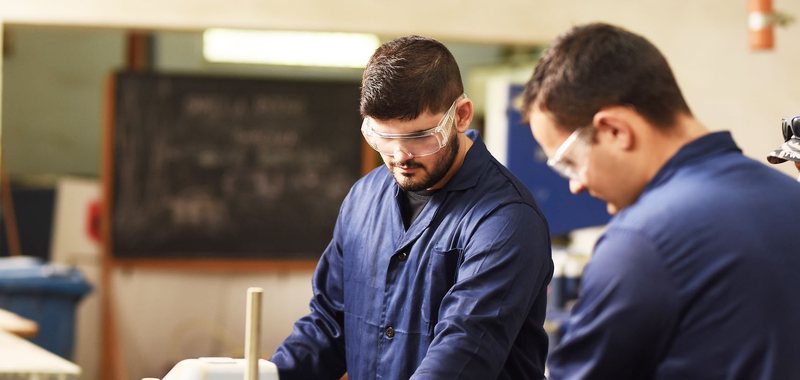
Inclusion in vocational training programs increases - AKPA: January-March, 24% more participants than a year ago
The National Employment and Skills Agency has published statistics on vocational training for the period January-March 2026, highlighting an increase in......