The golden days of the euro are over - Since April 1, 1 euro has been equal to 95 lek. The lek, stronger than ever

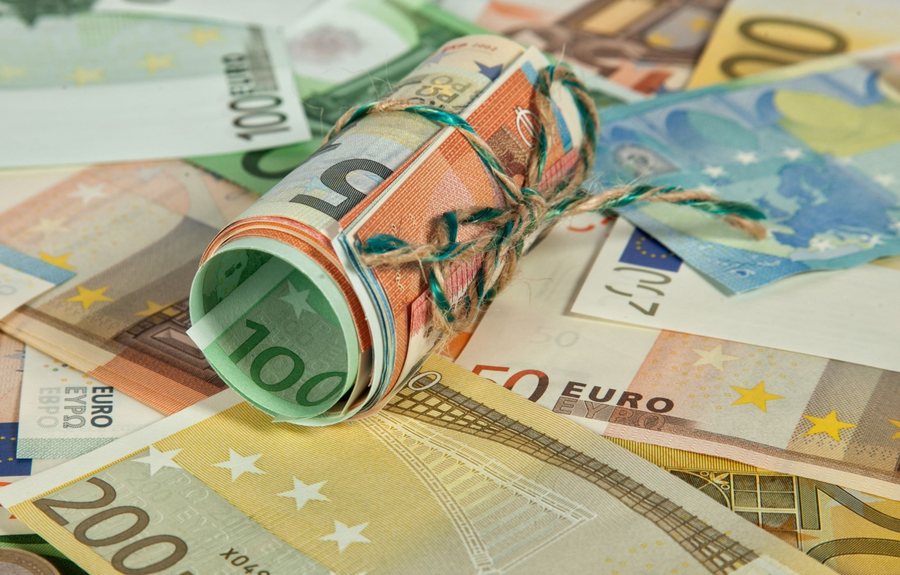
The exchange rate continues to favor the lek, while the euro has bottomed out. Since the beginning of the year, the European currency has only depreciated against the lek.
All those who own euros and for various reasons need to convert them to lek will lose, because if previously for 1 euro you got 120 lek, now 1 euro is exchanged for 95 lek. Meanwhile, those who want to convert lek to euros will benefit more, because for 95 lek they will get 1 euro.
In other words, for people who have their income in euros and necessarily their expenses in lek, since they live in Albania, this exchange rate is not at all in their favor.
The official exchange rate of the Bank of Albania shows that the red line of 100 lek that was once there has long been broken and is unlikely to be reached again. On April 24, the euro would reach its lowest level ever, being exchanged for the first time at only 95.50 lek. Despite the fact that since March there have been fluctuations in the euro exchange rate, sometimes with 96 lek and sometimes with 95 lek, since April 1, the euro has remained at the level of 95 lek.
The Bank of Albania has continued to intervene in the foreign exchange market through auctions for the purchase of foreign exchange. In order to stabilize the exchange rate and increase foreign exchange reserves, our Central Bank purchased approximately 1 billion and 27 million euros during 2025.
The losing actors are already well-known, exporting businesses (such as those in the fashion industry or agriculture) that have often raised their voices about the consequences that the exchange rate is bringing to their activity. These businesses earn income in euros from the production they send for export, but have their expenses in lek.
However, the Bank of Albania uses the strengthening of the lek as one of the tools to keep inflation under control. Importers, those who buy goods abroad, also benefit, as they need less lek to buy the same amount of goods in euros.
On the other hand, when the lek strengthens, the cost of repaying public debt, most of which is in foreign currency, decreases, improving the state's balance sheet. Those who have taken out a loan in euros also benefit.
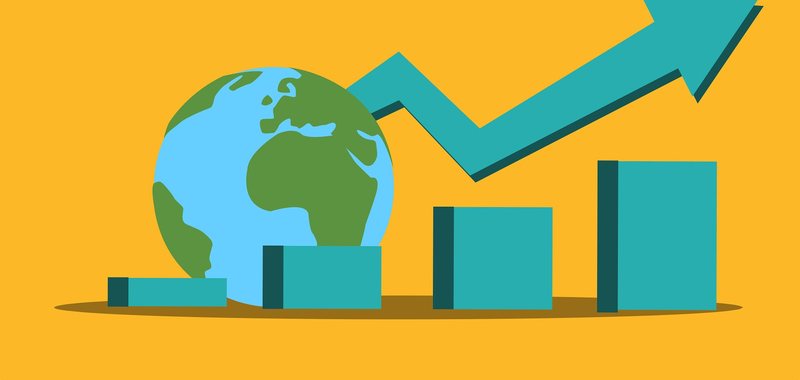
Sa i fortë është besimi ekonomik në Shqipëri në 2026? Indeksi i Eurostat tregon luhatje edhe pse renditemi mbi mesataren europiane
Besimi ekonomik në Shqipëri gjatë muajve të parë të vitit 2026 paraqitet i qëndrueshëm, megjithëse me disa luhatje të natyrshme që reflektojnë zhvillimet......
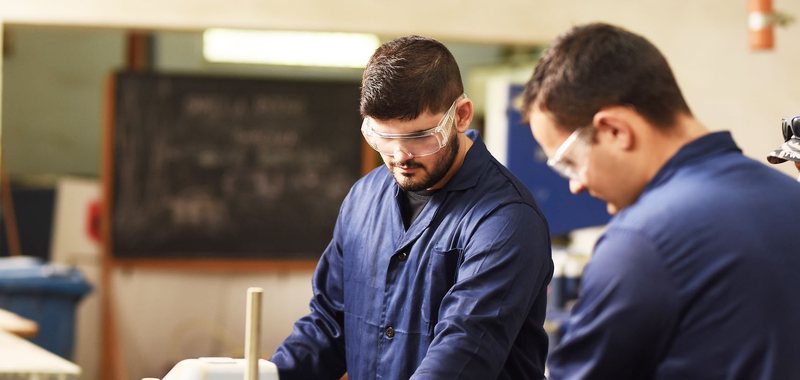
Inclusion in vocational training programs increases - AKPA: January-March, 24% more participants than a year ago
The National Employment and Skills Agency has published statistics on vocational training for the period January-March 2026, highlighting an increase in......
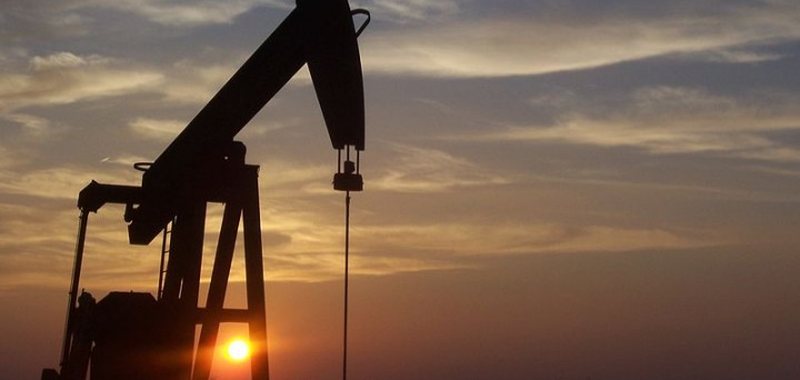
Serbia releases additional oil reserves - Extends fuel export ban
The Serbian government has decided to release additional quantities of oil from reserves and further extend the ban on fuel exports to protect the market......
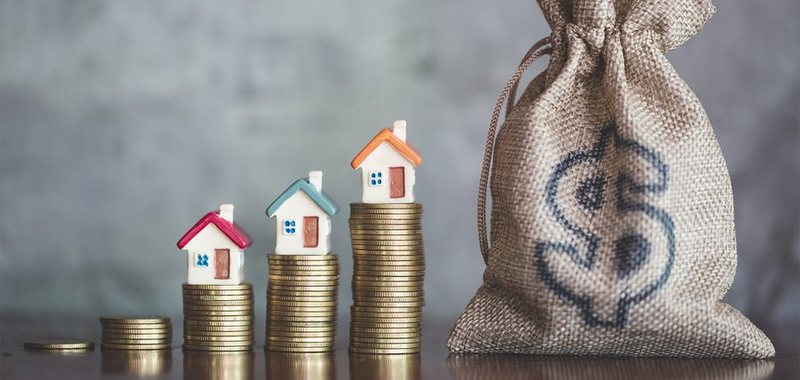
Citizens did not expect the revaluation, sales boom in 2025 - Transfer of ownership, Albanians pay 20 million euros more
The property market has faced continuously rising prices over the past year, but on the other hand, also in anticipation of the revaluation process, which......
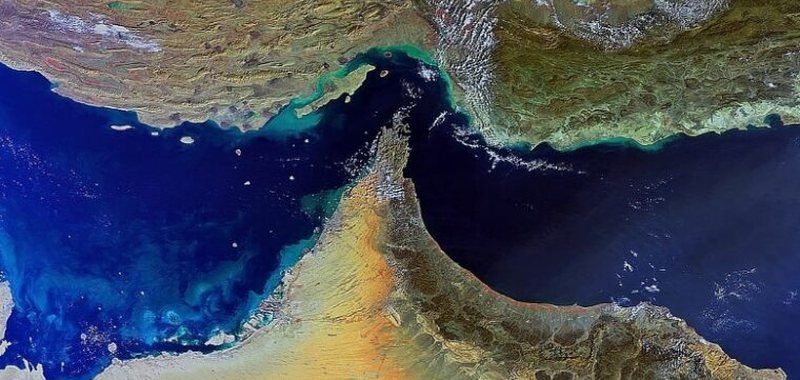
"Devastating consequences of closing Hormuz" - UN Chief Guterres, appeal for return to normality
UN Secretary-General Antonio Guterres has warned of devastating consequences of prolonged disruptions in the Strait of Hormuz. In a press conference,......
CEO salaries are rising sharply - According to an Oxfam analysis, workers are benefiting less and less
Salaries and other compensation for top executives around the world have risen sharply in recent years, while workers have less and less money to spend,......

Housing plan for 100,000 homes in ten years - Italian government also approves extension of fuel excise tax reduction
The Italian government has approved the "Housing Plan", as well as the decision renewing the reduction in excise duty on fuels. The reduction is expected to......
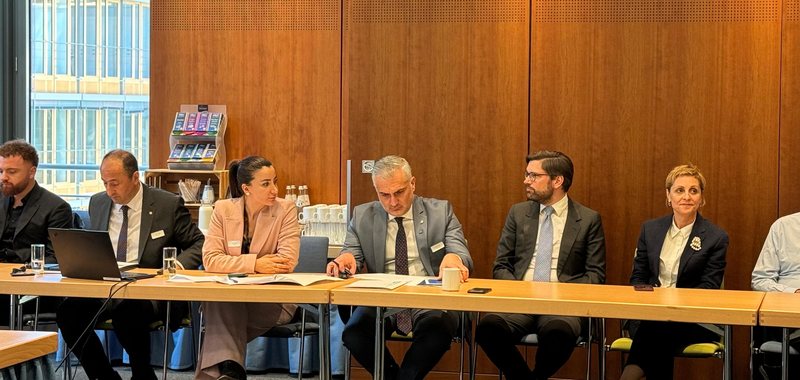
AIDA participates in the Germany-Albania Business Conference in Berlin and organizes a workshop on investments in Albania
On April 30, 2026, the Germany-Albania Business Conference took place at the Haus der Deutschen Wirtschaft, an important meeting of institutional and......