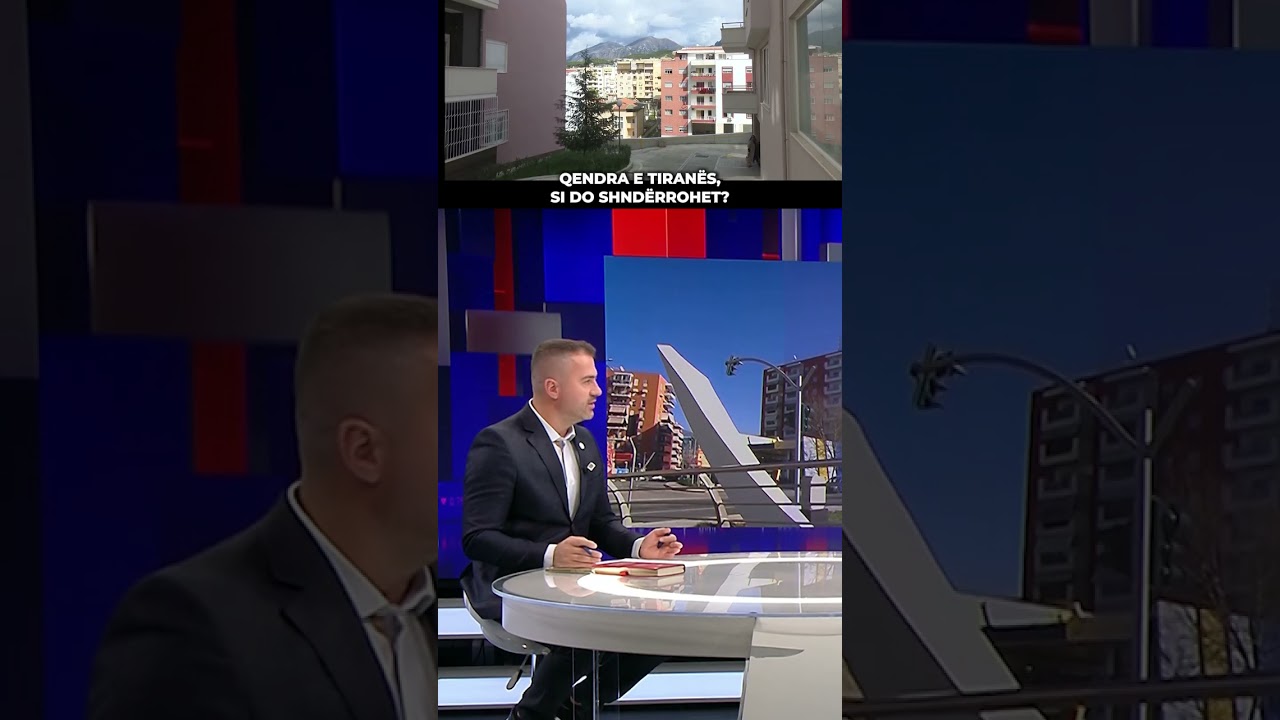
Will the war bring about a strengthening of the Euro? - Analysis/ Exchange rate and oil prices, a double blow to the economy


The increase in oil prices in Albania as a result of the conflict in the Middle East is expected to have consequences throughout the supply chain.
According to an ALTAX analysis, since fuel is a basic input for the transportation of goods, agricultural machinery, construction machinery and the functioning of the manufacturing industry, the cost of transportation increases significantly, being transmitted to the final prices of food, construction materials, industrial products and tourist services.
Specifically, referring to the analysis, in agriculture, where fuel accounts for 20-30% of operating costs, food prices increase, adding to food inflation that weighs about 35-40% on the consumer basket. In construction and tourism, pressure on operating costs reduces profit margins and slows down activity.
For citizens, this translates into an increase in the cost of living, with more expensive transportation and higher prices for almost every good and service, reducing purchasing power and exerting social pressure.
The analysis highlights that this effect is amplified by the euro-lek exchange rate, which in March 2026 is moving around 96 lek per euro, with a slight tendency for the euro to strengthen in the medium term 2026-2028 according to macroeconomic forecasts. Albania has high financial and commercial euroization with over 55% of deposits and around 45% of loans in euros.
A strengthening of the euro (or weakening of the lek) immediately increases the cost of energy imports paid in foreign currency, even if the international price of oil partially stabilizes.
According to the analysis, this creates a double whammy, where the high global oil price from the Iran war combines with the exchange rate effect, adding to imported inflationary pressure and widening the trade deficit. Production and transportation costs rise further, exacerbating cost-push inflation that affects key sectors such as agriculture, construction, industry and tourism.
But on the relative positive side, the strengthening of the euro improves the competitiveness of Albanian exports and increases the lek value of remittances and tourism income, which constitute a significant part of GDP. However, for an economy that imports over 90% of its energy and intermediate inputs, the net effect remains negative: the increase in production costs exceeds the benefits from exports and tourism. In the financial sector, the burden of euro loans increases for those who generate income in lek, risking an increase in non-performing loans if the depreciation continues without a proportional increase in wages.
This double whammy increases inflation, production costs, and uncertainty, requiring prudent monetary and fiscal policies to protect stability and citizens' purchasing power.

Belgium, Bulgaria and Slovenia warned - European Commission has initiated proceedings against three member states
The European Commission has sent formal warnings to Belgium, Bulgaria and Slovenia due to insufficient progress in aligning national legislation with new......

The government expands the funding scheme for youth organizations - State grants can also be benefited by informal groups
Individuals who benefit from state grants for youth projects will now have more opportunities for funding. The government has approved several changes to......

The well-paid are increasing in the labor market/ From minimum wage to high wages. How the distribution changed within a year
In the last quarter of 2025, a slight movement of the salary structure towards higher levels is observed, compared to the same period in 2024. The data show......
Tesla, energy supply for the British - Will use solar energy and battery storage business
Elon Musk's Tesla could soon start supplying British homes with electricity after being granted a license, bringing a new competitor to the market at a time......

Financial support for vocational training courses - From programming to cinematography. The government finances the training
The instruction of the Minister of Economy and Innovation on vocational training programs that will be financially supported during 2026, within the......
"Global food prices could rise" - Study, Iran conflict is disrupting the fertilizer supply chain
The war in Iran could push up global food prices as the conflict disrupts shipments of chemical fertilizers through one of the world's most critical trade......
Cost of war with Iran, over 11 billion dollars in 6 days - Trump administration expected to ask Congress for approval of additional 50 billion USD
President Donald Trump's administration officials estimated during a congressional briefing this week that the first six days of the war against Iran had......

Strategic reserves to reduce oil prices - US to release 172 million barrels
The US will release 172 million barrels of oil from its strategic reserves in an effort to lower oil prices that have risen sharply due to supply shocks from......