Paralajmërohen Belgjika, Bullgaria dhe Sllovenia - Komisioni Europian ka nisur procedurat kundër tre shteteve anëtare

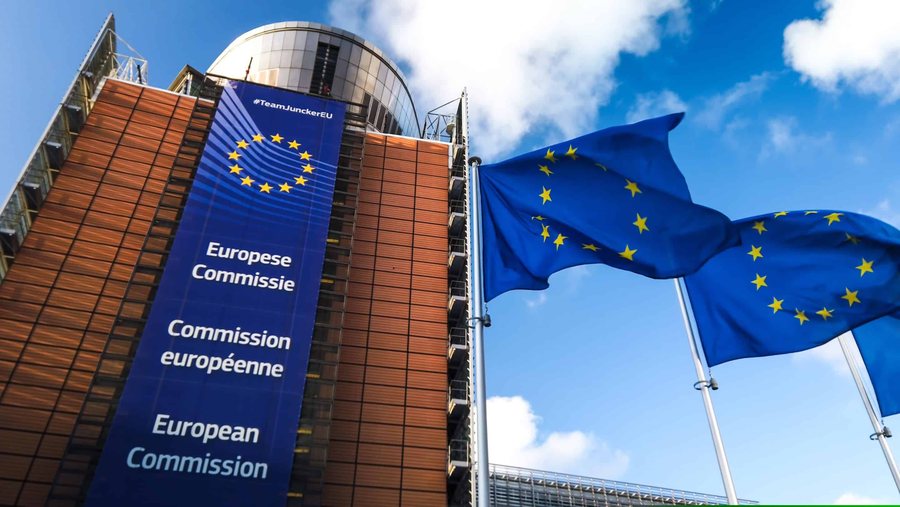
Komisioni Evropian u ka dërguar paralajmërime zyrtare Belgjikës, Bullgarisë dhe Sllovenisë për shkak të përparimit të pamjaftueshëm në përafrimin e legjislacionit kombëtar me rregulloret e reja evropiane që parashikojnë ndjekje penale për shkeljen e sanksioneve.
Siç është njoftuar në faqen zyrtare të Komisionit Evropian, këto tre vende ftohen të fusin në sistemet e tyre ligjore dispozita të Direktivës së miratuar në vitin 2024, e cila përcakton një detyrim për të konsideruar vepër kriminale evazionin dhe shkeljen e masave kufizuese të Unionit.
“Komisioni Evropian i bën thirrje Belgjikës, Bullgarisë dhe Sllovenisë të zbatojnë Direktivën që kriminalizon shkeljen e masave kufizuese të Bashkimit Evropian”, thuhet në një deklaratë nga Brukseli.
Sipas Komisionit, vendet në fjalë ende nuk kanë ofruar prova se kanë marrë masat e nevojshme kombëtare për të zbatuar këto rregulla, prandaj është nisur procedura e paralajmërimit. Kjo është faza e parë e të ashtuquajturës procedurë shkeljeje të BE-së, e cila mund të çojë në veprime ligjore nëse vendet nuk i zbatojnë rregullat.
Belgjika, Bullgaria dhe Sllovenia kanë dy muaj kohë për t’iu përgjigjur Komisionit Evropian dhe për të informuar Brukselin për hapat që kanë ndërmarrë. Në të kundërt, Komisioni mund ta referojë çështjen në Gjykatën e Drejtësisë të Bashkimit Evropian, e cila ka të drejtë të vendosë gjoba.
Çështja e sanksioneve dhe zbatimi i tyre ka shkaktuar tensione më të gjera politike në BE. Hungaria kohët e fundit bllokoi miratimin e paketës së 20-të të sanksioneve anti-ruse, si dhe një propozim për një kredi prej 90 miliardë euro për Ukrainën, pasi Kievi pezulloi ndërtimin e një pjese të infrastrukturës që lidhet me tubacionin e naftës Druzhba.
Kryeministri hungarez Viktor Orban tha se ky veprim përbënte shkelje të marrëveshjes së asociimit me Bashkimin Evropian. Ndërkohë, Komisioni Evropian konfirmoi se Hungaria dhe Sllovakia kishin pezulluar përkohësisht furnizimet me naftë për Ukrainën, duke i komplikuar më tej marrëdhëniet energjetike dhe politike në rajon.

Qeveria zgjeron skemën e financimit për organizatat rinore - Grantet shtetërore mund të përfitohen edhe nga grupet joformale
Individët të cilët përfitojnë nga grantet shtetërore për projektet rinore, tashmë do të kenë më shumë mundësi për financim. Qeveria ka miratuar disa......

Shtohen të mirëpaguarit në tregun e punës/ Nga paga minimale, te ato të larta. Si ndryshoi shpërndarja brenda një viti
Në tremujorin e fundit të vitit 2025 vërehet një lëvizje e lehtë e strukturës së pagave drejt niveleve më të larta, krahasuar me të njëjtën periudhë të vitit......
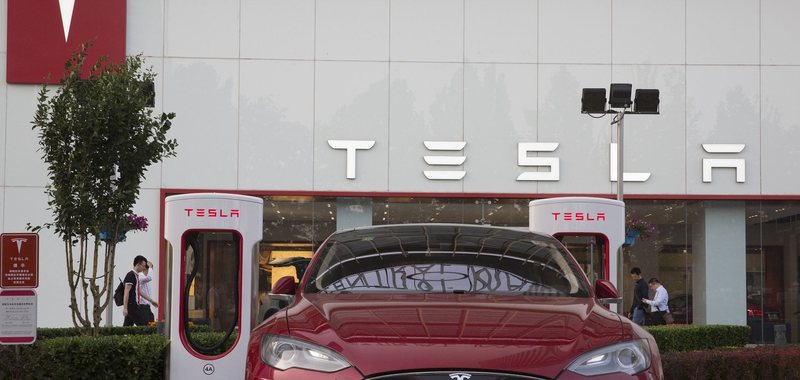
Tesla, furnizim me energji për britanikët - Do të përdorë biznesin e energjisë diellore dhe ruajtjes së baterive
Kompania Tesla e Elon Musk së shpejti mund të fillojë furnizimin e shtëpive britanike me energji elektrike, pasi iu dha një licencë, duke sjellë një......

Mbështetje financiare për kurset e formimit profesional - Nga programimi, te kinematografia. Qeveria financon trajnimet
Hyn në fuqi udhëzimi i ministrit të Ekonomisë dhe Inovacionit për programet e formimit profesional që do të mbështeten financiarisht gjatë vitit 2026, në......

“Çmimet globale të ushqimeve mund të rriten” - Studimi, konflikti i Iranit po prish zinxhirin e furnizimit me plehra kimike
Lufta në Iran mund të rrisë çmimet globale të ushqimeve, pasi konflikti ndërpret dërgesat e plehrave kimike përmes njërës prej rrugëve tregtare më kritike në......
Kosto e luftës me Iranin, mbi 11 mld dollarë në 6 ditë - Administrata Trump pritet t’i kërkojë kongresit miratimin e 50 mld USD shtesë
Zyrtarët e administratës së Presidentit Donald Trump vlerësuan gjatë një informimi në Kongres këtë javë se gjashtë ditët e para të luftës kundër Iranit i......

Rezervat strategjike për uljen e çmimit të naftës - SHBA do të hedhin në treg 172 milionë fuçi
SHBA-të do të hedhin në treg 172 milionë fuçi naftë nga rezervat e tyre strategjike në një përpjekje për të ulur çmimet e naftës që janë rritur ndjeshëm për......
Lufta nuk e ndal naftën e Iranit - Ka eksportuar rreth 13.7 milionë fuçi që nga fillimi i luftës
Nafta bruto iraniane ka vazhduar të transportohet përmes Ngushticës së Hormuzit me një ritëm pothuajse normal, edhe pse sulmet e lidhura me Teheranin ndaj......