Super anti-carbon plant - Netherlands opens largest facility in Europe. 800 thousand tons of CO₂ per year


One of Europe's largest carbon reduction projects has officially started operations in the Netherlands. Yara's Sluiskil plant has become the largest commercial carbon capture and storage facility in Europe.
The system will enable the capture and liquefaction of up to 800,000 tons of CO₂ per year, which comes from industrial ammonia production. The carbon will not be released into the atmosphere, but will be transported by ship to Norway to be stored permanently under the North Sea.
The CO₂ will be transported from the Netherlands to the Northern Lights facility in Norway, where it will be injected about 2,600 meters below the seabed. The project envisages capturing and storing about 12 million tons of CO₂ over the next 15 years.
This is a cross-border project connecting Dutch industry with Norwegian carbon storage infrastructure and is also supported by the European Union through the Connecting Europe program.
The inauguration ceremony was attended by senior European, Dutch and Norwegian officials, including the European Commissioner for Climate, Zero-Emissions and Clean Growth, the Norwegian Prime Minister and the Dutch Prime Minister.
Commissioner Hoekstra described the project as an example of what can be achieved through cross-border cooperation, combining climate objectives with the need to maintain the competitiveness of European industry.
For Yara, the project is a strategic investment in reducing emissions from ammonia and fertilizer production. The technology is also expected to help produce products with a lower carbon footprint and create opportunities for the use of ammonia as a lower-emission fuel in maritime transport.
The project is seen as an important test for the development of the European market for carbon capture, transport and storage, a technology that is increasingly seen as one of the means to reduce emissions from heavy industries.
For Europe, the challenge now is to ensure that such models do not remain isolated projects, but are transformed into a broader infrastructure network that allows high-emission industries to reduce carbon, without losing production capacity and competitiveness.

Public transport/ 116 entities benefit from around 120 million lek in compensation
The Tax Administration announces that in support of public transport operators, it has realized 100% of the allocated fund of 119.7 million lek, to......

46 billion euros for the economy - Beijing strengthens state-owned banks and insurers
China is undertaking a major intervention in its financial system, advancing a package of 360 billion yuan, about 46.1 billion euros, to strengthen banks and......

Begaj decrees the appointment of Klodiana Spahiu as Minister of Health and Social Welfare
The President of the Republic, Bajram Begaj, today decreed the dismissal of Evis Sala from the position of Minister of Health and Social Welfare. Also......

Vertical Gas Corridor - Expansion connects the Balkans to European resources and markets
North Macedonia has signed the declaration to join the Vertical Gas Corridor, a regional initiative aimed at diversifying gas supplies and strengthening......

"AI, a danger to humanity" - UN calls for urgent controls on advanced Artificial Intelligence
A stark warning comes from the United Nations about the development of artificial intelligence. The UN's human rights chief, Volker Türk, declared that......
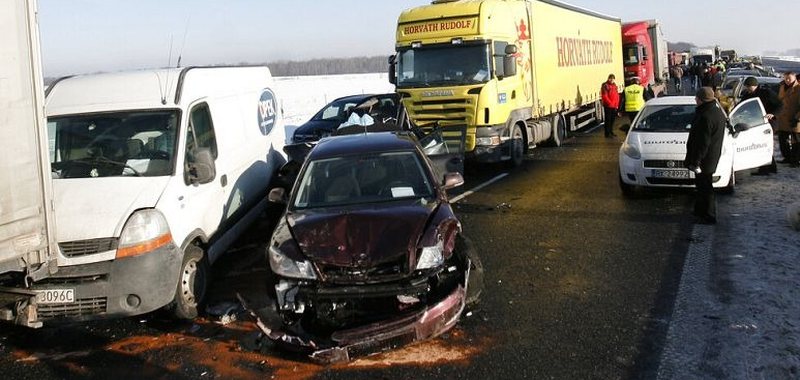
Accident bill - AMF: Insurance companies pay an average of 175 thousand lek for motor vehicle damages
An insurance company has paid an average of 175 thousand lek for damages suffered by cars in accidents or other events. According to the Financial......

Transport, the challenge of transition - New plan for decarbonization: Electrification, public transport and rail
Transport is one of the key sectors where our country must intervene to meet its energy and climate objectives by the end of the decade. The revised National......

Home keeps women away from work/ Unpaid work, 28% compared to only 1.5% of men
Even after a decade, household chores continue to be one of the main reasons that keep Albanian women out of the labor market. INSTAT data on the......