Italy increases tax on energy companies - Will finance bill reduction for families and businesses

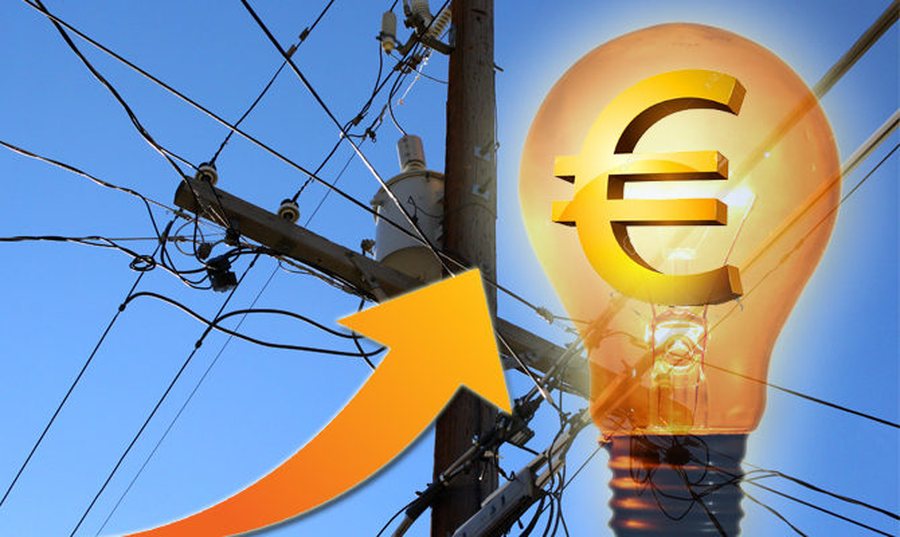
Italy approved a two percentage point increase in the IRAP corporate tax on energy firms, to help finance a package of measures aimed at reducing bills for households and businesses that use a lot of energy.
This move is expected to bring the government around 1 billion euros in additional revenue by 2028, which will then be used to finance planned cuts in energy bills.
"The package will have a significant impact, guaranteeing benefits for families and businesses worth over 5 billion euros," Prime Minister Giorgia Meloni said, without giving any timeframe.
Energy costs in Italy are significantly higher than in France and Spain, as the country relies heavily on imported gas to produce electricity and is therefore sensitive to changes in international prices and geopolitical tensions.
Under the scheme, the IRAP tax rate is expected to increase from 3.90% to 5.90% for all companies that produce, distribute and supply energy products.
Meloni added that a bonus that would help the poorest families pay their bills would be increased from 200 to 315 euros.
The package also includes measures to narrow the gap between wholesale gas prices in central Amsterdam and those in Italy, where more than 40% of electricity is produced with gas.
Depending on market trends, the wholesale price for natural gas traded on the Italian market, PSV, is normally higher than TTF, which is traded in Amsterdam, by around 2-4 euros per megawatt hour.
Rome plans to offer refunds to some thermoelectric producers as a way to mitigate the negative impact of the Emissions Trading System on bills, a move that requires the support of European Union authorities before being approved.
The ETS, which is the EU's most important climate change policy, forces power plants and industries to buy CO2 permits when they pollute, and limits the amount of permits on the market, to limit emissions over time.
Rome's approach to cutting wholesale energy prices has drawn widespread criticism from companies who fear the measures will destroy their profits and hit investment in green projects.
Protection for European banks and card schemes - ECB's Cipollone talks about the future of the digital euro
The digital euro will be designed to protect European card schemes and keep banks at the heart of the region's payments system, a senior European Central......

Online portal to bypass content bans - US plans to fight censorship in Europe and the world
The US State Department is developing an online portal that will allow people in Europe and around the world to view content banned by their governments,......
OBP, 35.5 million euros in procurement savings in 21 months
The Centralized Purchasing Operator (CPO) has managed to save 35.5 million euros for the state budget from procurement procedures in 21 months of operation.......
Funding for beekeeping doubled - Salla: 10 thousand euros in grants for young people in livestock farming. IPARD III unlocked
The National Agricultural Support Scheme, applications for which are expected to open soon, will change this year. At a press conference, Minister of......
Albania–Turkey, a common vision for investments in tourism - Muhamed Isler: It is the locomotive of the Albanian economy
An activity on tourism sectoral development was organized in Tirana with the focus on Albania as a tourist destination for the next 12 months. The head of......
"Strengthening the regional and European common market" - Ibrahimaj: Turns Albania into an entry point for the West and the East
"Strategic Connectivity and Regional Economic Growth: The Economic Potential of Corridor VIII" was the economic forum held in Tirana. In her speech, the......
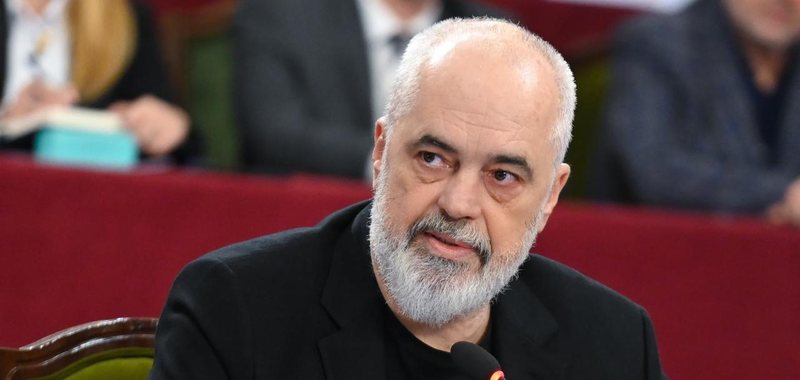
Rama heads to Washington, participates in the official establishment of the Peace Board!
Prime Minister Edi Rama is leaving for Washington today, in response to the invitation of US President Donald J. Trump to participate in the official......
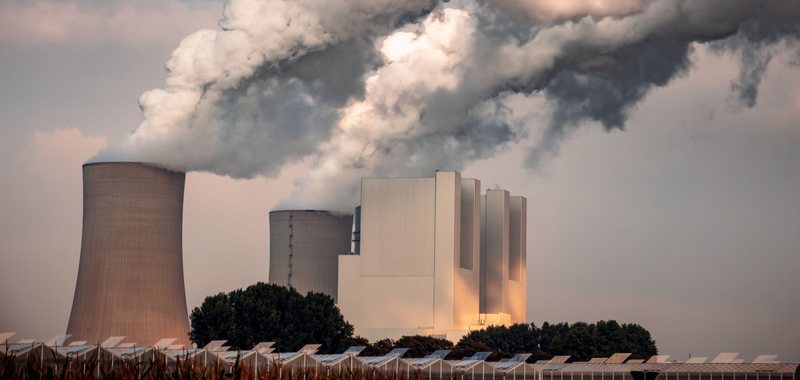
Croatia, with its "eyes" on nuclear energy - Aims to cover 30% of needs by 2040
Croatia aims to cover at least 30% of its electricity needs with energy from nuclear sources by 2040, the energy minister said, after presenting the draft......