Germany risks gas - Reserves are at the lowest level in 15 years

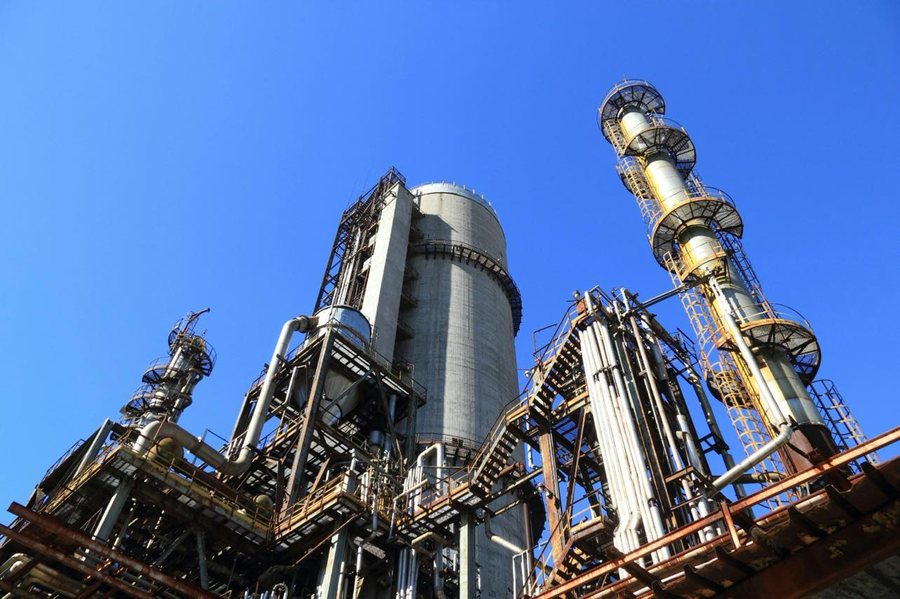
Germany is entering the winter season with gas reserves at worrying levels. The German gas storage industry association, INES, warns that the country could face shortages if temperatures drop significantly in the coming months.
On September 1, reserves in German underground storage facilities were only 53% full, the lowest level recorded in 15 years. According to INES, even in the most optimistic scenario, the storage facilities could reach about 77% capacity by November 1. This level would be sufficient in a winter with normal temperatures, but not in the event of an extremely cold winter.
In an extreme scenario, specific days during January could face a supply shortage of up to 25%, according to the association's projections.
The problem is that the current pace of filling storage is too slow. To reach the 77% level by November, Germany would need to inject about 1 terawatt-hour of gas per day, a pace that has not been achieved in the past three weeks.
If the current pace continues, reserves could only reach about 63% by the start of winter. According to INES, one of the main reasons is the lack of economic benefit to buy and store gas during the summer. Typically, suppliers buy gas when prices are lower in the summer and use or sell it during the winter, when demand increases.
But the difference between summer and winter prices has been very small, even negative in some cases after fees and taxes are factored in. To speed up the filling of warehouses, INES has proposed removing some fees and offering subsidized loans from the government, with the aim of guaranteeing supply during the winter.
Germany, Europe's largest economy, is facing another energy challenge ahead of the cold season. If the winter turns out to be much harsher than normal, current levels of reserves may not be enough to meet demand.

The French, on alert for the summer - Heat and drought hit production
French wine production is expected to be among the weakest in three decades, as extreme temperatures and drought have hit vineyards across the country......

Super anti-carbon plant - Netherlands opens largest facility in Europe. 800 thousand tons of CO₂ per year
One of Europe's largest carbon reduction projects has officially started operations in the Netherlands. Yara's Sluiskil plant has become the largest......

Public transport/ 116 entities benefit from around 120 million lek in compensation
The Tax Administration announces that in support of public transport operators, it has realized 100% of the allocated fund of 119.7 million lek, to......

46 billion euros for the economy - Beijing strengthens state-owned banks and insurers
China is undertaking a major intervention in its financial system, advancing a package of 360 billion yuan, about 46.1 billion euros, to strengthen banks and......
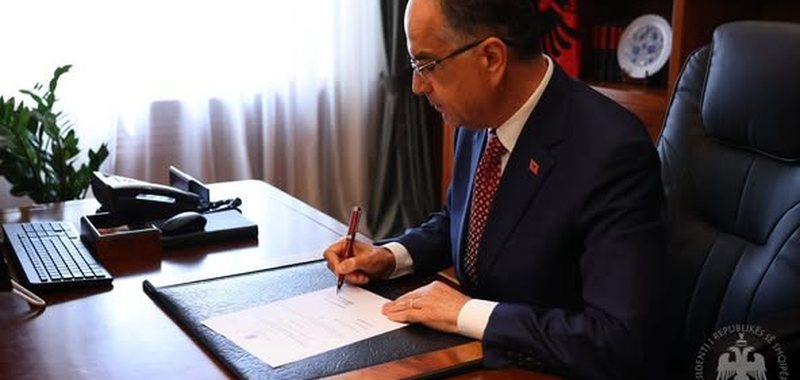
Begaj decrees the appointment of Klodiana Spahiu as Minister of Health and Social Welfare
The President of the Republic, Bajram Begaj, today decreed the dismissal of Evis Sala from the position of Minister of Health and Social Welfare. Also......

Vertical Gas Corridor - Expansion connects the Balkans to European resources and markets
North Macedonia has signed the declaration to join the Vertical Gas Corridor, a regional initiative aimed at diversifying gas supplies and strengthening......

"AI, a danger to humanity" - UN calls for urgent controls on advanced Artificial Intelligence
A stark warning comes from the United Nations about the development of artificial intelligence. The UN's human rights chief, Volker Türk, declared that......
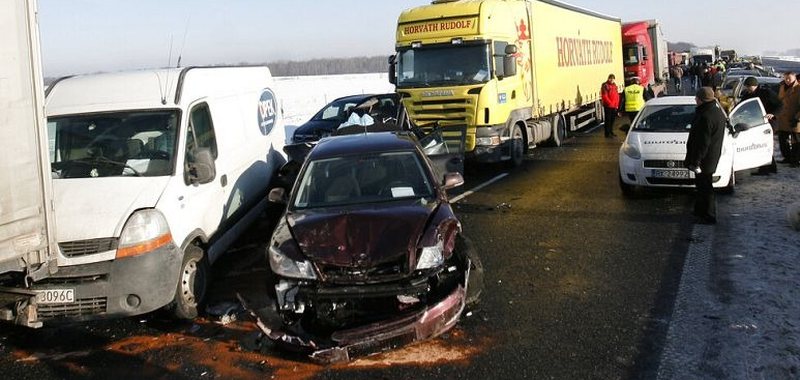
Accident bill - AMF: Insurance companies pay an average of 175 thousand lek for motor vehicle damages
An insurance company has paid an average of 175 thousand lek for damages suffered by cars in accidents or other events. According to the Financial......