The French, on alert for the summer - Heat and drought hit production


French wine production is expected to be among the weakest in three decades, as extreme temperatures and drought have hit vineyards across the country hard.
The French Ministry of Agriculture predicts that wine production this year will reach around 33.9 million hectoliters, 6% less than in 2025 and 17% below the average of the last five years.
The situation is particularly dire in the famous Champagne region, where production is expected to be halved compared to last year. Damage to vines and grapes from high temperatures, coupled with drought, has significantly reduced yields.
This would be the third consecutive poor harvest for France, following the low yields of 2024 and 2025.
Although spring had initially created positive expectations, summer brought intense heat waves and a lack of rainfall. As a result, producers began harvesting grapes earlier than usual.
The problems for the French wine sector are not just climate-related. The area under vines has fallen by 2.5% this year, while oversupply and falling consumption have forced many producers to uproot some of their vineyards.
France remains one of the main powers of the global wine industry and the world's largest exporter by value. For this reason, another weak season could also have an impact on the international market.
But the difficult summer has not only affected wine producers. Record heat waves have also damaged other agricultural crops, pastures and water reserves in the country.
Faced with the situation, the French government has announced an emergency package of more than 1 billion euros for farmers hit by extreme weather conditions.
Thus, the climate is becoming one of the biggest challenges for French agriculture, as traditional vineyards face an increasingly difficult season.

Super anti-carbon plant - Netherlands opens largest facility in Europe. 800 thousand tons of CO₂ per year
One of Europe's largest carbon reduction projects has officially started operations in the Netherlands. Yara's Sluiskil plant has become the largest......

Public transport/ 116 entities benefit from around 120 million lek in compensation
The Tax Administration announces that in support of public transport operators, it has realized 100% of the allocated fund of 119.7 million lek, to......

46 billion euros for the economy - Beijing strengthens state-owned banks and insurers
China is undertaking a major intervention in its financial system, advancing a package of 360 billion yuan, about 46.1 billion euros, to strengthen banks and......
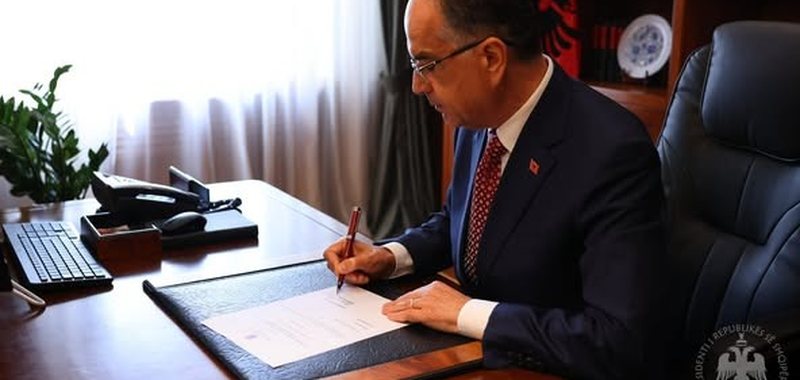
Begaj decrees the appointment of Klodiana Spahiu as Minister of Health and Social Welfare
The President of the Republic, Bajram Begaj, today decreed the dismissal of Evis Sala from the position of Minister of Health and Social Welfare. Also......

Vertical Gas Corridor - Expansion connects the Balkans to European resources and markets
North Macedonia has signed the declaration to join the Vertical Gas Corridor, a regional initiative aimed at diversifying gas supplies and strengthening......

"AI, a danger to humanity" - UN calls for urgent controls on advanced Artificial Intelligence
A stark warning comes from the United Nations about the development of artificial intelligence. The UN's human rights chief, Volker Türk, declared that......
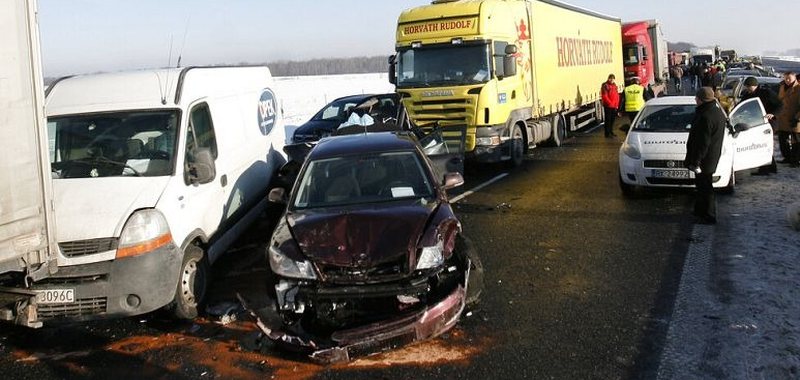
Accident bill - AMF: Insurance companies pay an average of 175 thousand lek for motor vehicle damages
An insurance company has paid an average of 175 thousand lek for damages suffered by cars in accidents or other events. According to the Financial......

Transport, the challenge of transition - New plan for decarbonization: Electrification, public transport and rail
Transport is one of the key sectors where our country must intervene to meet its energy and climate objectives by the end of the decade. The revised National......