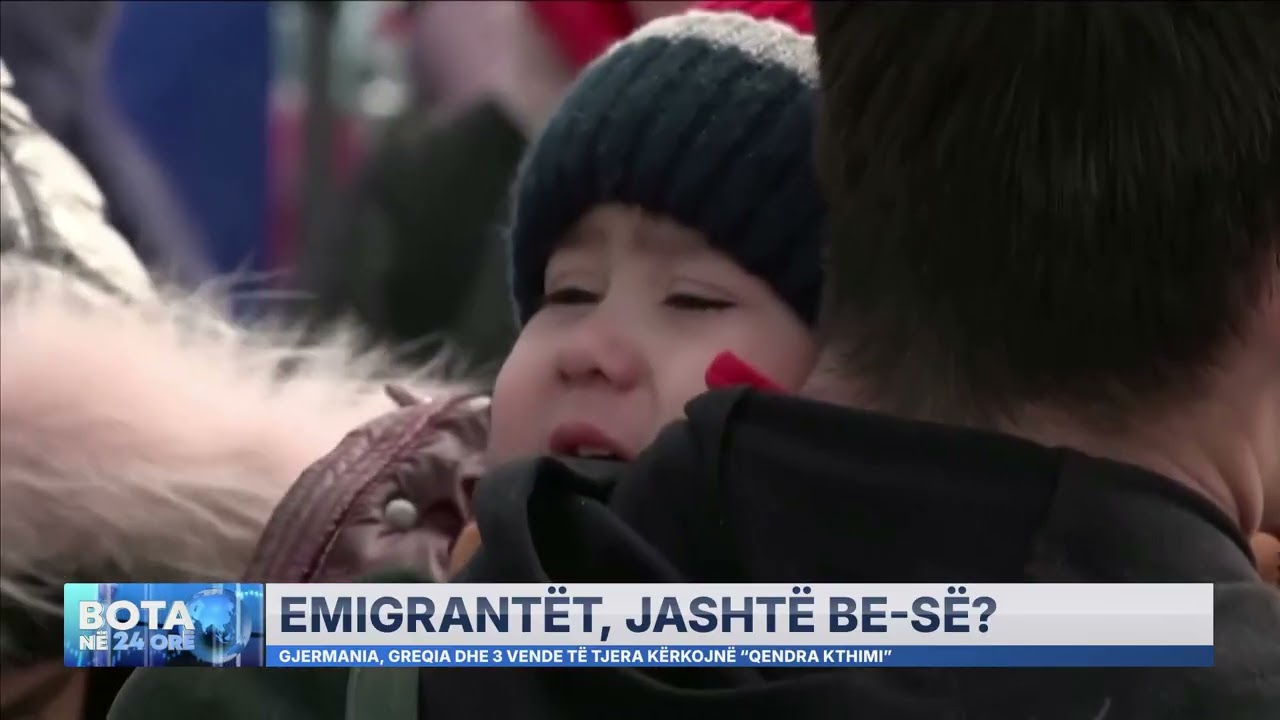
What changes with the welfare reform? - German government finalizes details. Tougher sanctions are expected

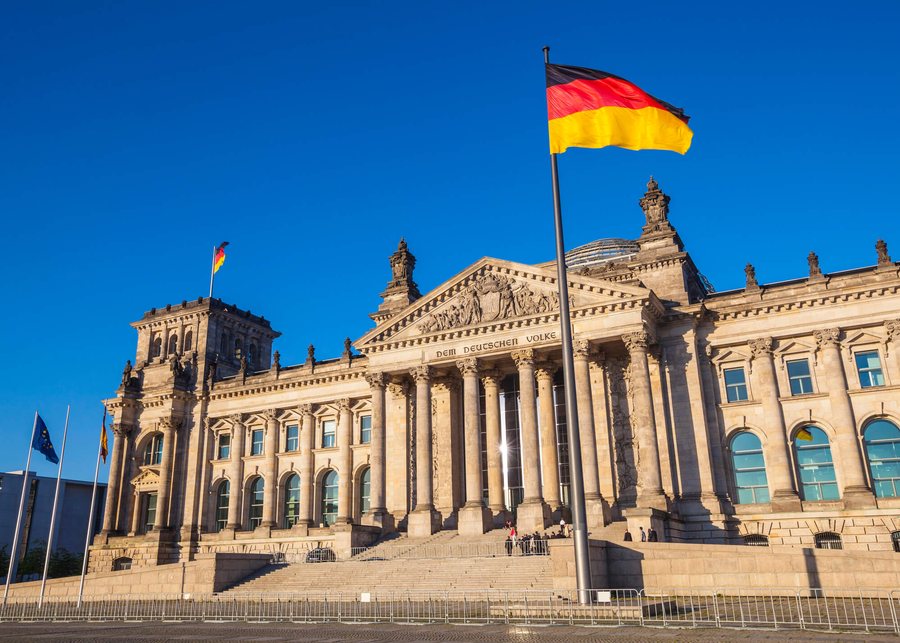
The German government has finalized a reform of social benefits. The benefits known as "Bürgergeld" will be abolished, but the plan is sensitive for both coalition partners in Germany. The core of the reform is a stricter and faster reduction of benefits. Monthly payments can be reduced by 30 percent for three months in cases of breach of obligations, such as refusing a reasonable job offer.
This would currently amount to around 150 euros less per month. According to the draft law, anyone who fails to attend two appointments at the job centre without a valid reason will have their benefits reduced by 30 percent. If they miss the appointment a third time, payments will be suspended entirely, while the rent will be paid directly to the landlord. But if the person in question appears at the job centre within a month, the reduced benefits will be paid retroactively. Otherwise, the right to benefits is lost completely.
But there are also expansions to the support program: The group of those eligible for subsidized employment will increase. According to government sources, in the future, the criterion for receiving assistance will no longer be the duration of unemployment, but the duration of receiving benefits. This will particularly benefit women and refugees who previously received benefits but were not officially considered unemployed, due to childcare or participation in integration courses.
According to government figures, around 5.5 million citizens and their children still living in the household received "Bürgergeld" in 2024. Of these, almost four million were of working age. This figure also includes around 800,000 so-called "supplementary benefit recipients", i.e. additional income due to extremely low wages, which is below the "Bürgergeld" level.
Foreign nationals make up about 48 percent of recipients of these social assistance programs. Those who lose their jobs receive unemployment benefits for a year, after which they are transferred to the social assistance program.
Expenditures in 2024 on citizen benefits, or "Bürgergeld", were 51.7 billion euros. This included 29.2 billion euros for standard benefit payments, 12.4 billion euros for rent and heating costs, and 3.7 billion euros for labor market integration measures.

Sarajevo, the most polluted city in the world - Authorities take measures to clean the air
Sarajevo authorities have issued an air quality warning and imposed bans on some cars and trucks, after the city was ranked the most polluted in the world......

Britain, holiday spending "flies" - Food prices are up to 70% more expensive
British citizens are paying up to 70% more for chocolate sweets this Christmas compared to last year, while the price of turkey has risen by up to £15,......

Kosovo is "flooded" by Chinese goods - Spending on products from China exceeded 840 million euros in 2025
Kosovo spends over two million euros a day on goods imported from China, from toys and household appliances to food and agricultural products. Data shows an......

President Begaj at the entrepreneurship evening: Our country needs a modern business culture
The President of the Republic, Mr. Bajram Begaj, declared before the Albanian business community that the role of entrepreneurship takes on even greater......
Minister Ibrahimaj at the entrepreneurship evening: Economic growth is built through cooperation with business
The Minister of Economy and Innovation, Ms. Delina Ibrahimaj, participated in the gala evening dedicated to Albanian entrepreneurship, organized by the......
Mallakastra with market for olive oil, Minister Salla: Choose to buy Albanian and eat Albanian
The Minister of Agriculture and Rural Development, Andis Salla, participated today in Mallakastër in the inauguration of the live poultry and olive oil......

Minister Ibrahimaj: Digital transformation must empower citizens and protect rights
In the framework of the WSIS+20 High-Level Forum in New York, the Minister of Economy and Innovation, Delina Ibrahimaj, emphasized that the main challenge of......
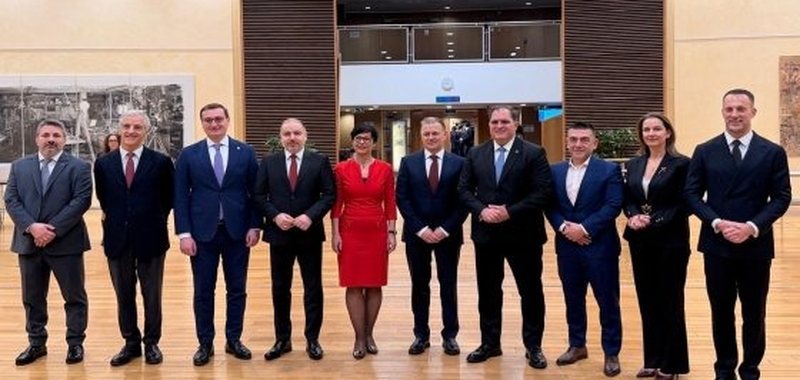
Brussels, Memorandum of Understanding in the field of Customs is signed within the framework of the "Green Lanes" Initiative
Today, in Brussels, a Memorandum of Understanding was signed between the General Directorate of Customs of the Republic of Albania, represented by the......