Which European country is most affected by the conflict? - Greece, Cyprus, Poland, Bulgaria, most affected by an energy crisis

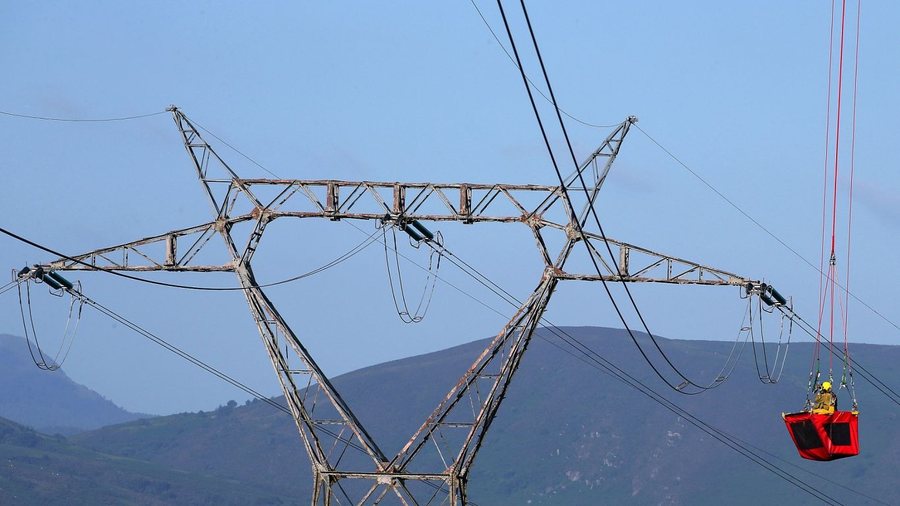
The economic, fiscal, political and credit impacts of the war in the Middle East will depend on the duration and severity of the conflict, the extent to which energy supplies are affected and the resilience of each economy, Scope Ratings estimates.
While Europe as a whole is expected to be able to withstand a short-term increase in energy costs, some countries are more vulnerable than others, analysts say. Greece, along with Cyprus, Poland and Bulgaria, are the countries most vulnerable to a prolonged energy crisis because of their heavy dependence on oil and gas for their economic output.
If the military conflict proves brief and largely contained, then the macroeconomic and financial impacts could be manageable for all countries it covers, Scope estimates. In this scenario, central banks and fiscal authorities will look beyond temporary inflationary pressures.
Any prolonged disruption of export facilities, energy infrastructure, or the Strait of Hormuz itself, combined with increased instability in the region, increases the risk of a negative supply shock. This would lead to higher oil and gas prices and, consequently, economic, fiscal, and even political consequences at the global level.
Europe’s continued dependence on oil and LNG imports makes the continent more vulnerable to energy shocks, says Scope. EU natural gas reserves are only 30% full, but demand is expected to fall sharply as winter draws to a close. Europe’s energy sources are more diversified than when the war in Ukraine began, and inflation is close to the ECB’s target.
In such an environment, Scope considers it unlikely that European natural gas prices (TTF) will rise to the highest levels of 2022.
Among the European countries whose energy mix is particularly dependent on oil and gas, and therefore most vulnerable to rising energy prices, Scope lists Malta, Cyprus, Ireland, the Netherlands and Greece. All of these depend on oil and gas for around 80% of their total energy.
Moreover, if we consider the dependence of economic activity on oil and natural gas, the most vulnerable countries are Greece, Cyprus, Poland and Bulgaria. Of the large economies, France has the lowest exposure to this shock, due to its many nuclear power plants.
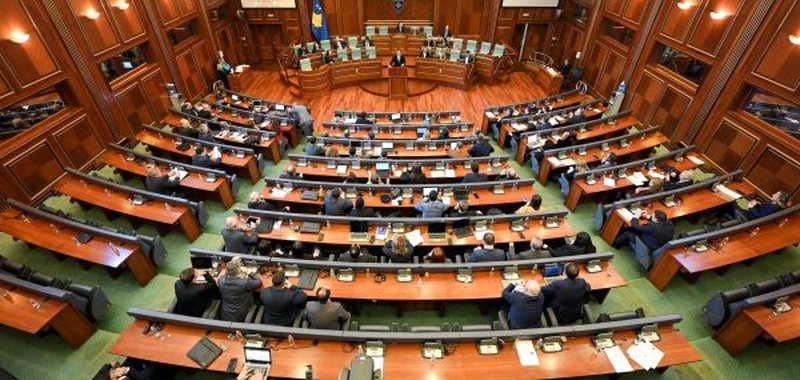
Kosovo goes to elections again - President Osmani decrees the dissolution of the Parliament
The President of Kosovo, Vjosa Osmani, has announced that she has issued a decree dissolving the Parliament, leading the country towards new elections. In a......
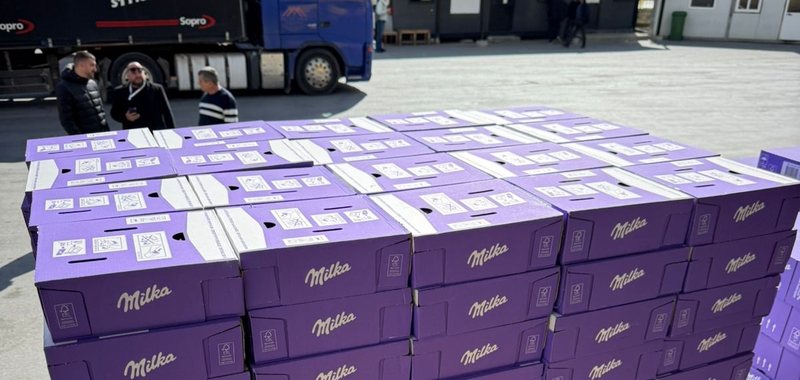
Dogana bllokon në Kapshticë 1.5 tonë çokollata ‘Milka’
Drejtoria e Antikontrabandës ka bllokuar një mjet të ngarkuar me 1.5 tonë çokollata, i cili kaloi në degën doganore të Kapshticës pa kryer deklarim doganor......
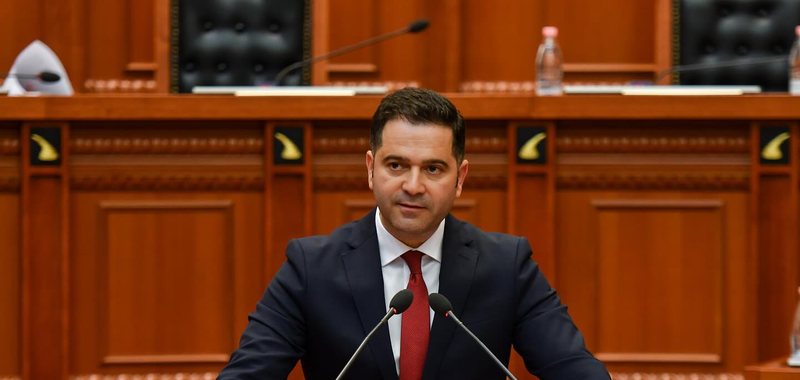
Public debt performance for 2025, Minister Malaj presents the indicators in the Parliament
The Minister of Finance presented today in the Parliament the country's public debt indicators. According to him, the figures confirm the best performance in......
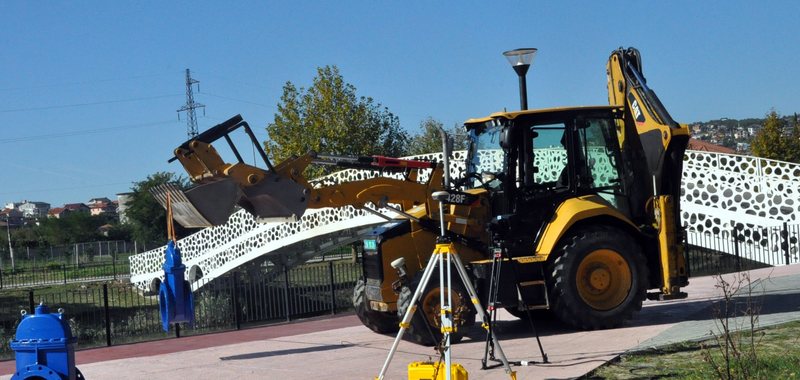
Kredi 50 milion euro për infrastrukturën bashkiake: Ja se ku do shkojnë financimet
Kuvendi ka ratifikuar sot marrëveshjen së huasë midis Republikës së Shqipërisë dhe Republikës Federale të Gjermanisë, përmes Bankës Gjermane për Zhvillim......
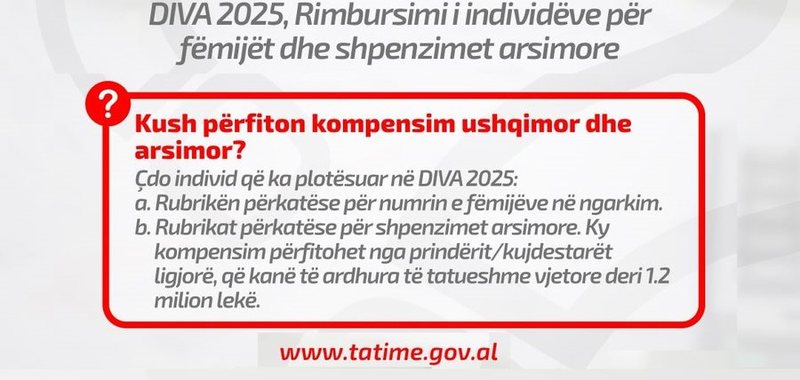
DIVA, AmCham kërkon më shumë informacion për bizneset, trajnime për deklaratat e reja
Dhoma Amerikane e Tregtisë organizoi një trajnim informues për komunitetin e biznesit mbi ndryshimet më të fundit në sistemin e deklarimeve tatimore për......
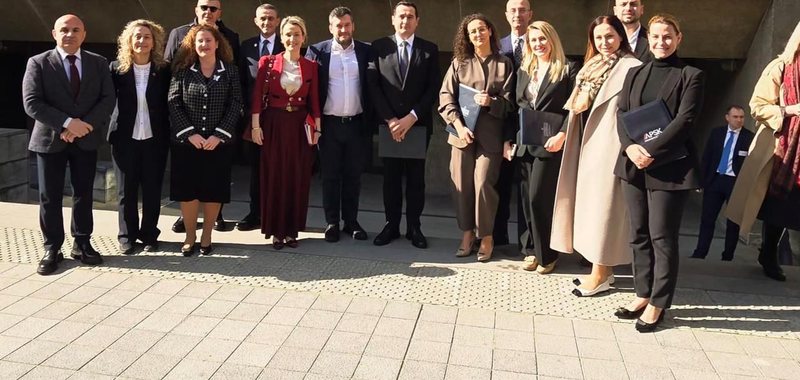
Criminal assets "under the microscope" of the European Commission - SPAK–AAPSK cooperation is assessed
At the 17th meeting of the EU-Albania Subcommittee on "Justice, Freedom and Security", European Commission experts paid special attention to the process of......
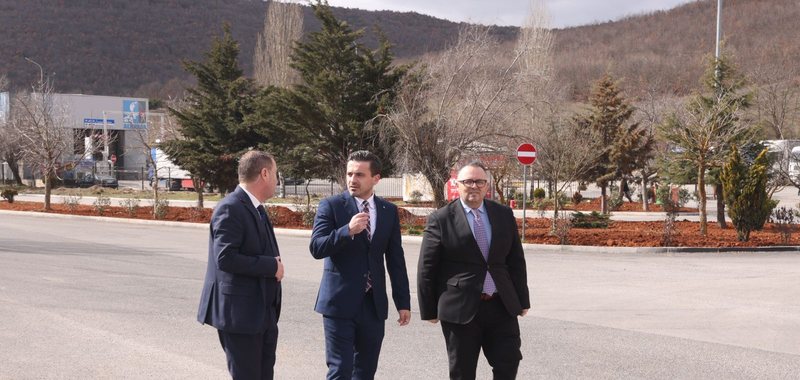
The General Director of Customs in Qafë Thanë: Customs activity towards normalization
The Director General of Customs, Besmir Beja, conducted an inspection at the Qafë Thanë Customs Branch to closely monitor the situation at this border point,......
Government financing through debt securities in January - Banks dominate trading in the secondary market with the majority of transactions
The Albanian government has continued to finance part of its needs through the sale of debt securities on the market. According to data from the Ministry of......