Government financing through debt securities in January - Banks dominate trading in the secondary market with the majority of transactions

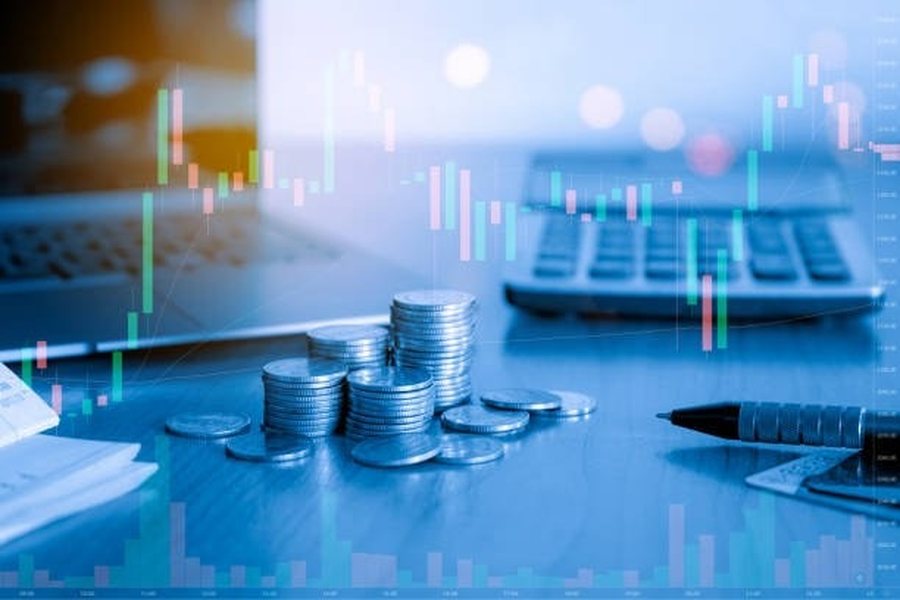
The Albanian government has continued to finance part of its needs through the sale of debt securities on the market. According to data from the Ministry of Finance, 9 auctions of government securities were held during January.
In total, the government has offered 45.5 billion lek, of which 24 billion lek were treasury bills, while 21.5 billion lek were bonds. These are instruments with which the state borrows from banks or investors and pays interest until the money is repaid.
Treasury bills typically have shorter maturities, while bonds are longer-term instruments and are used by the government to provide longer-term financing for the state budget. For this reason, the interest rate also varies depending on the term of the loan.
For 12-month treasury bills, the average interest rate during the auctions held in January was around 2.4%, while for long-term bonds the interest rates were significantly higher. For example, for a 20-year bond, the interest rate reached up to 6.7%, since the longer the term of the loan, the greater the risk for investors and consequently a higher interest rate is required.
The process of selling these instruments takes place in what is called the primary market, the moment when the government sells the securities for the first time and receives money directly from investors. This market is mainly attended by commercial banks, financial institutions and, in some cases, other institutional investors.
Once these securities have been purchased in the primary market, they can be further traded in the secondary market. This is the market where previously issued debt securities can be bought and sold between banks, financial institutions, or other investors, without the government being directly involved in the transaction.
During January, 10 transactions were carried out in the secondary market, with a total value of around 1.66 billion lek. The vast majority of them were carried out between banks, which are also the main actors in this market.
According to trading data by counterparty, banks acting as market makers have carried out transactions with a total value of around 998.7 million lek. Meanwhile, investment funds have had a much more limited participation, with transactions amounting to around 13.2 million lek.
These developments indicate that the secondary market for government securities in Albania still remains relatively limited and is dominated mainly by banks, while the participation of other institutional investors, such as investment funds or non-bank financial institutions, is lower.
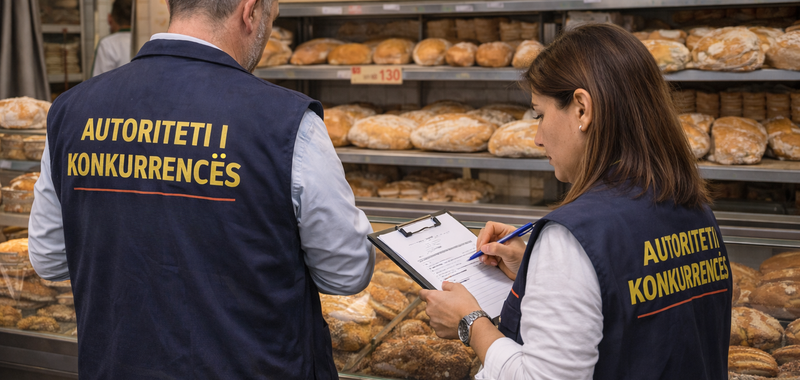
The Competition Authority begins monitoring the bread sales market in Korça
The Competition Authority, based on some information in the media regarding the announcement of bread production and sales companies in the city of Korça,......
How much is an hour of business worth in Albania? Enterprises turnover around 4.2 million euros every 60 minutes
Official economic figures are usually published in annual totals and are difficult for the general public to understand. But what happens if they are......
General fluctuations in the foreign exchange market – Dollar recovers points. Pound weakens
The US dollar, after a continuous decline that it suffered throughout this week, has recorded a recovery in value this morning compared to yesterday, being......

Which countries are tax havens for Italian pensioners? - Spain, Tunisia, Romania and Albania. The flow to Portugal has decreased
The number of Italian pensioners moving abroad is increasing. The latest data is contained in a report presented by the Italian Social Security Institute......
Fuel prices start to rise in the region - Experts: Prolongation of the conflict in the Middle East, further impacts
Authorities and experts in Southeast Europe are warning of future fuel price increases across the region, following the rise in oil prices on global markets......
How much risk are banks in the Eurozone from the conflict? - The rise in energy prices will increase inflation, affecting economic activity
Eurozone banks face only a limited direct impact from the war in Iran, but the bigger risk lies in how a weakened economy could affect lenders' balance......
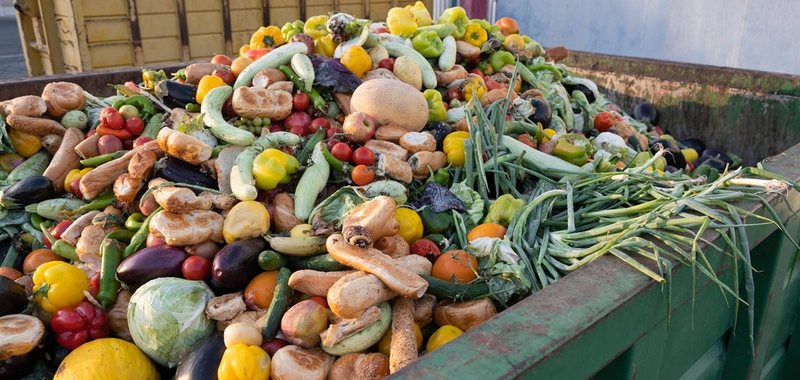
Waste separation starts at home and business - New rules/ Aim to increase recycling and reduce the amount that ends up in landfills
The Ministry of Environment has issued for public consultation a draft decision that aims to establish clearer rules for the differentiated collection of......
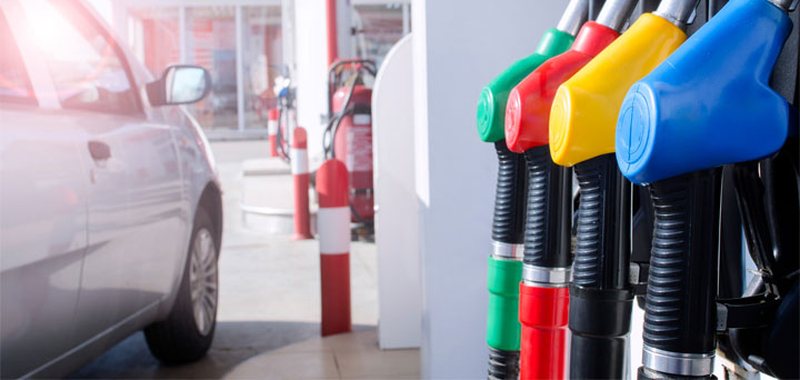
"The increase in oil prices, with chain effects" - Civici: Albania risks external and internal inflation
The increase in oil prices in international markets will inevitably be reflected in the domestic hydrocarbon retail market. Economic expert Adrian Civici......