Businesses, struggling for employees - Which sectors are most affected in Europe?


Artificial intelligence is rapidly changing the workplace, and the European market is struggling to keep up. According to the Global Talent Shortage Report 2026 from global human resources firm Manpower, artificial intelligence and IT emerge as some of the most difficult roles for employers and recruiters to fill.
The study, conducted in 41 countries and with 39,000 employers, highlights that around seven in 10 businesses have difficulty finding the right person for a range of roles.
The mismatch between supply and demand has increased significantly over the past decade. From about 40% of managers having difficulty recruiting employees in 2006 to 72% in 2026, the rate increased significantly after the COVID-19 pandemic. When it comes to specific sectors, recruiting is most difficult in areas such as IT (75%), hospitality (74%), healthcare (74%), and scientific and technical services (73%).
Large companies — those with 1,000 or more employees — face the biggest problems overall, with a talent shortage rate of at least 74%.
In terms of the most in-demand skills, in the UK and much of Europe, the focus is entirely on IT and AI. British businesses need people who can use artificial intelligence models (19%), develop applications (17%) or who have traditional IT and data skills (17%).
France also lacks artificial intelligence (19%) and people skilled in IT and data (16%) — but it also needs staff with manufacturing skills (16%), and a similar picture is in countries like Germany, Italy and Spain.
However, it's not just about artificial intelligence. For example, Sweden (26%), the Netherlands (28%), the Czech Republic (31%) and Slovakia (31%) want more engineers.
At the same time, logistics turned out to be one of the most difficult fields to recruit in Belgium (19%), Ireland (18%) and Norway (18%), while Greece appears to be the only country with a high need for Human Resources professionals (21%).
Interestingly, the way most business leaders intend to address the talent shortage is by looking internally first rather than hiring externally. The most common response to solving the shortage, according to the research, is “upskilling and retraining current employees” (27%), followed by other internal solutions, such as introducing more flexible working hours (20%) and higher salaries (19%).

"Territorial reform should aim at the well-being of residents" - Ambassador Ström: Changes require broad consultation
Territorial reform and the role of citizens in local decision-making were the focus of a conference organized in Tirana by civil society organizations.......

16,301 vehicles fail technical inspection - DPSHTRR: Technical defects, a risk to road safety
The technical inspection of vehicles remains one of the most important elements for road safety. According to data published by the General Directorate of......

How much fuel did Albanians consume in 2025? - 741 thousand tons were cleared. Imports of coffee and cigarettes increase, beer decreases
Fuel imports reached record levels during 2025, with a total of around 741 thousand tons cleared, the highest figure achieved in the last 5 years. Fuel is......

Favorable energy price for water utilities - ERE approves tariffs to be applied during 2026, aiming to reduce debt stock
The Energy Regulatory Authority has approved the prices at which water utilities supplied by the Supplier of Last Resort will pay for electricity during......

Kosovo curbs fuel price increase - Minister of Trade: We aim to protect consumers
Kosovo's Minister of Trade, Mimoza Kusari-Lila, has signed the decision to set the prices of petroleum products, following the sudden increase in fuel prices......
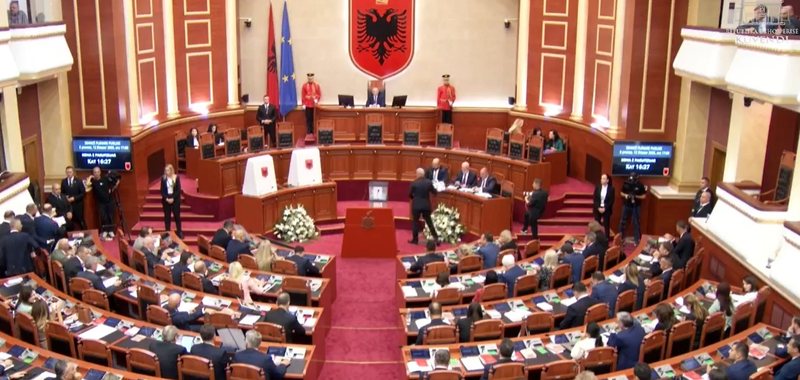
Parliament votes on new ministers - Changes in government, 4 new figures enter the cabinet
The Albanian Parliament has voted to approve the new ministers proposed by Prime Minister Edi Rama and decreed by the President of the Republic, as part of......

Imported goods became cheaper/ In 2025, the prices of energy and industrial products fell
According to data published by the Institute of Statistics, the Import Price Index in the fourth quarter of 2025 reached 107.4 (with base year 2021=100).......
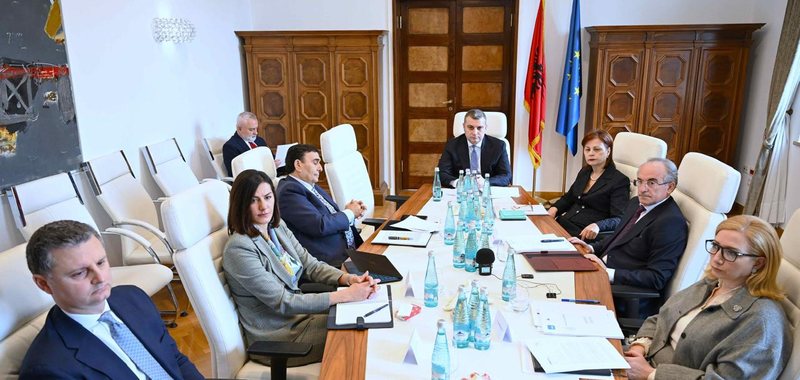
The Supervisory Council of the Bank of Albania meets, reviews the distribution of profits, approves the annual report
The Supervisory Council of the Bank of Albania held its first meeting in more than two months, with the election of new members by the Albanian Parliament in......