Fuel from strategic reserves on the market - Some countries are reacting to lower global prices

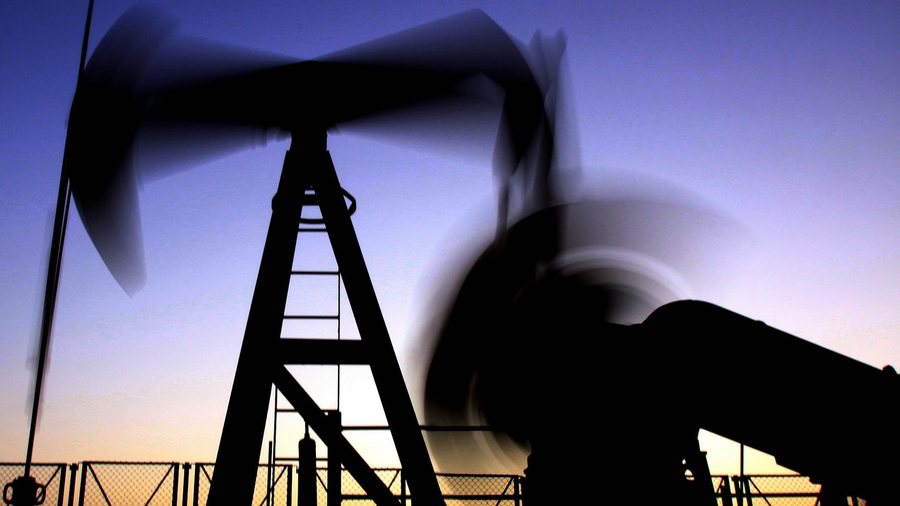
Several countries have announced plans to release oil reserves to the market in a bid to help calm rising energy prices amid escalating tensions in the Middle East.
Canada's energy minister said the country will support the International Energy Agency's (IEA) release of 23.6 million barrels of oil from its domestic producers. The IEA on Wednesday agreed to release 400 million barrels of oil from reserves, the largest such move in the IEA's history, to combat rising oil prices caused by conflict in the Middle East.
Canada, as one of the 32 IEA member countries, agreed with the IEA's decision to help stabilize the global energy market and supply. Canada's natural gas exports will expand in the coming months, providing more fuel to allies around the world and strengthening global market supply.
Australia’s Energy Minister also announced that the federal government will release up to 762 million litres of petrol and diesel from its domestic reserves to help address the disruption to the fuel supply chain. The move would constitute Australia’s response to a request from the IEA. A day earlier, the Australian government announced a plan to inject millions of litres of additional petrol into supply chains, allowing higher sulphur levels for 60 days to boost domestic fuel supplies.
Starting March 16, Japan will publish its national oil reserves to prevent problems in the supply of domestic petroleum products, according to the Japanese government on Friday.
Affected by unrest in the Middle East, oil prices in South Korea have been on a steady rise recently. To stabilize oil prices, the government said it will formally implement a system to cap domestic fuel prices for the first time in almost 30 years.
Under the plan, the government sets price limits for petroleum products supplied by refineries to gas stations and distributors, adjusting them once every two weeks in line with international oil price trends.
According to data from the Korea International Trade Association, the country relies almost entirely on imports for its energy, with roughly 70 percent of its oil and about 20 percent of its liquefied natural gas coming from the Middle East.
Oil prices continued to rise on Friday. West Texas Intermediate crude for April delivery rose $2.98, or 3.11 percent, to $98.71 a barrel on the New York Mercantile Exchange.
Brent crude futures for May delivery rose $2.68, or 2.67 percent, to settle at $103.14 a barrel.
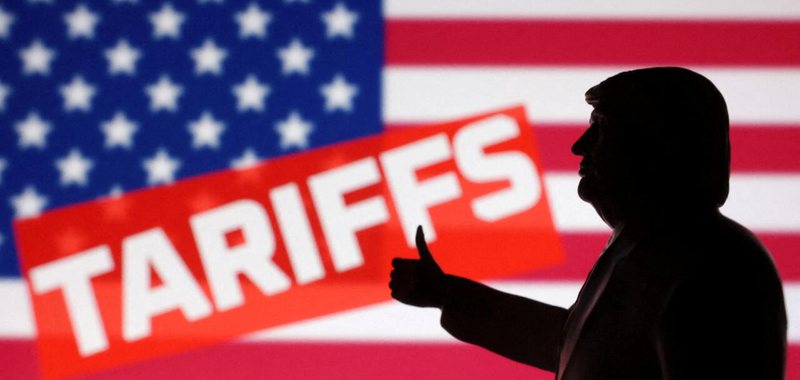
“Tariffs could cost families over $2,500” - Democrats' Bills in Congress: 44% more than a year ago
President Donald Trump is trying to replace lost federal revenue after the Supreme Court struck down his biggest tariffs last month. A study released Friday......
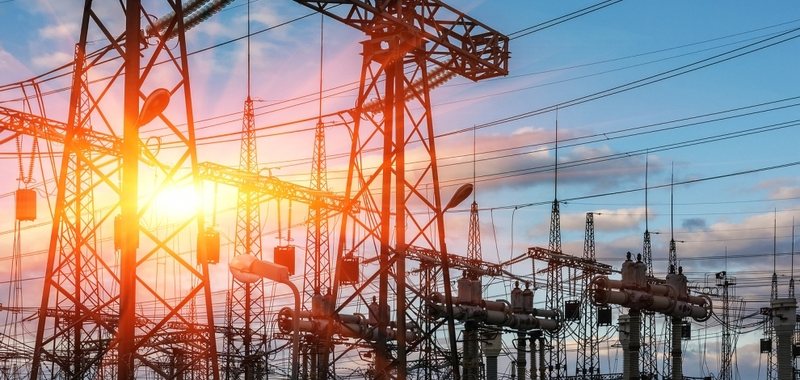
Over 20 measures for energy efficiency - Heating and cooling of buildings, about 33% of final energy consumption in the country
The implementation of over 20 measures to improve energy efficiency in heating and cooling of buildings requires around 4.7 million euros by 2030, while real......

Where does Albania stand on the employment map in Europe? - We lead the region with 68.9%, but still below the EU average
The employment rate is one of the most important economic and social indicators. According to INSTAT data, the employment rate in Albania reached 68.9% for......
Oil risks "freezing" wages - Analysis/ High prices, pressure on businesses
The increase in oil prices in early March 2026 has brought a shock wave to transportation and production costs, exerting direct pressure on the prices of......
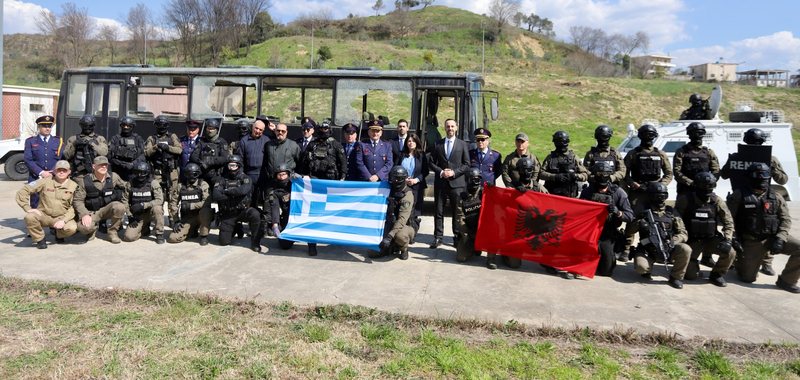
Joint exercise RENEA-EKAM/ Lamallari: Albania-Greece cooperation is key to regional security
The Minister of Internal Affairs, Besfort Lamallari, participated in the ceremony marking the end of the joint training between the special forces of the......
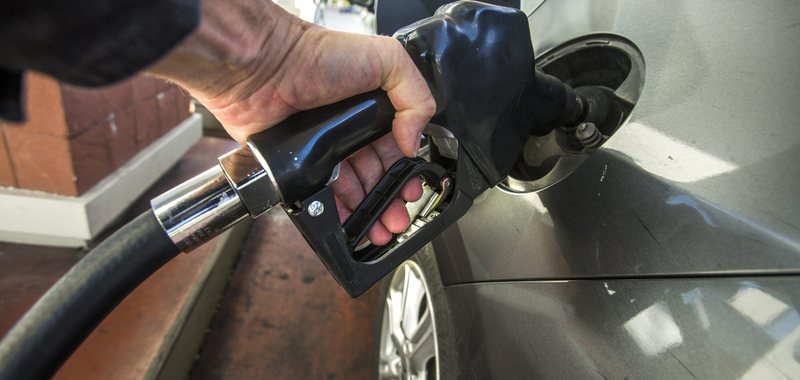
The state enters the oil market to curb prices - Rama: We will create a public factor to ease the burden of citizens
The state will intervene to regulate the oil market, given the increase in prices due to the conflict in the Middle East. In a press conference, Prime......
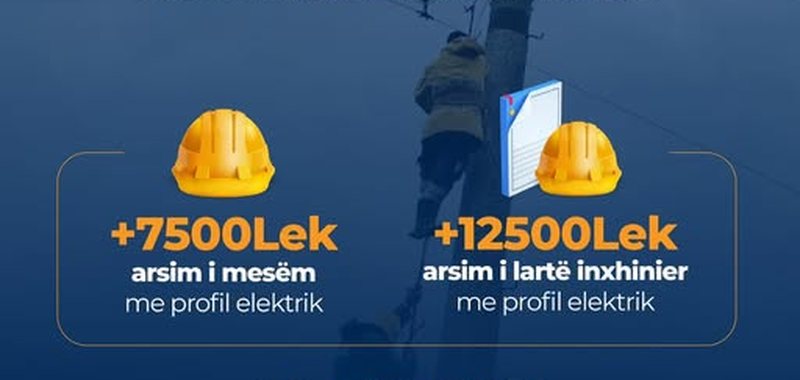
OSHEE Group increases salaries for field workers and electrical engineers
OSHEE Group sh.a. has taken a new step in support of energy sector professionals, by increasing salaries for field workers and electrical engineers at the......
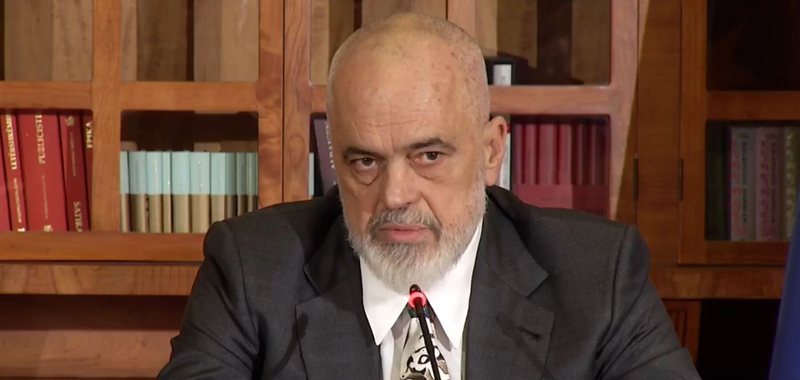
The decision on Balluk's immunity does not hinder the EU accession process
During a press conference, Prime Minister Edi Rama stated that yesterday's Parliament decision on Balluk's immunity does not hinder the EU membership......