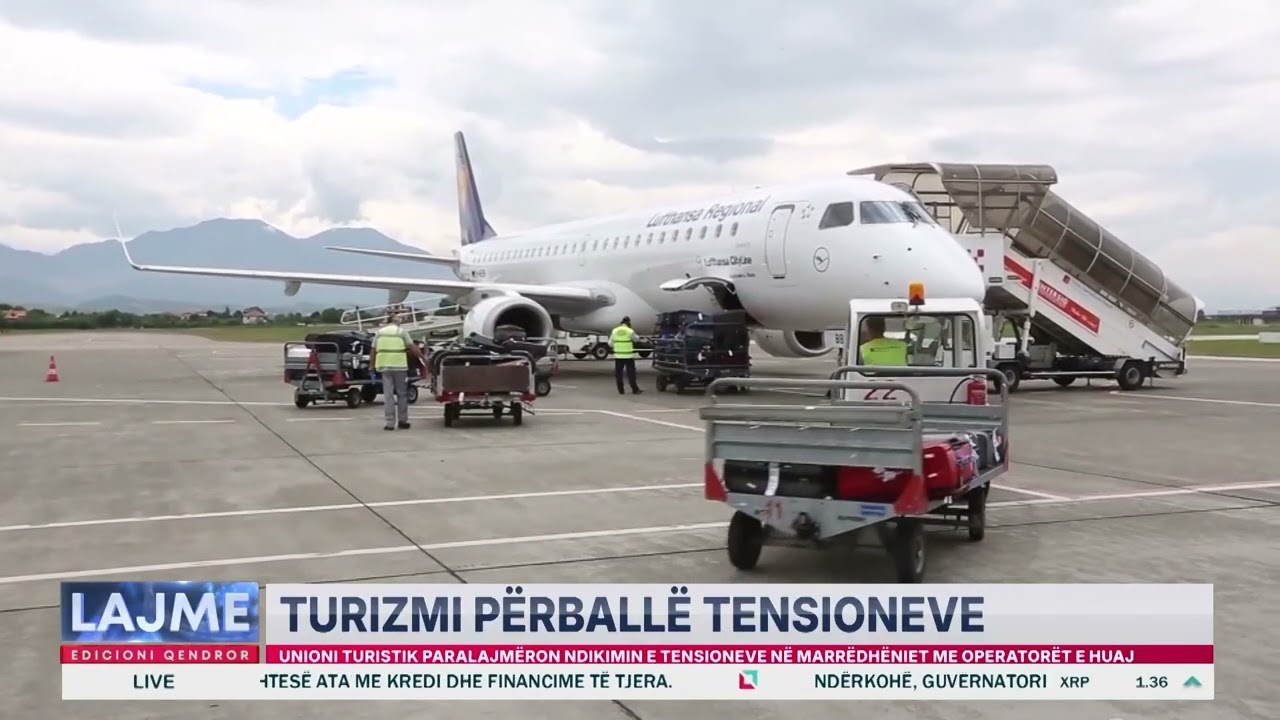
"Salty" Costs for the Hormuz Passage - Ships Pay Up to $2 Million in Yuan, or Cryptocurrency for Transit

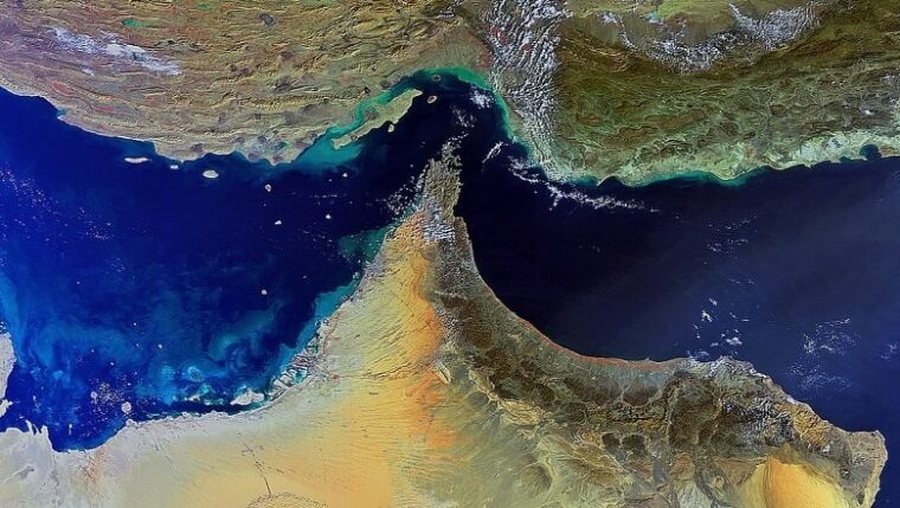
Shipping through the Strait of Hormuz appears to be becoming increasingly complicated, as new data is emerging on tankers and cargo ships attempting to pass through one of the world's most important sea passages.
According to information cited by Bloomberg, after the approval of a bill by the Iranian parliament, new conditions have been imposed for the safe passage of ships through the Strait of Hormuz. The same sources report that ships wishing to pass through the region must pay significant amounts, which can reach up to $2 million, either in Chinese yuan or in cryptocurrency.
The process reportedly involves cooperation with a company affiliated with the Islamic Revolutionary Guard Corps. Before transit, ships must submit complete information, including ownership, flag, cargo, destination and crew information, as well as data from the Automatic Identification System that records navigation history.
Then checks are made to determine whether there are any links to countries considered hostile by Tehran. Once the process is complete, the transit cost is determined, which, according to Bloomberg, starts at about $1 per barrel of crude oil for tankers. For a very large crude carrier (VLCC), which can carry up to 2 million barrels, this amount can reach about $2 million for a single passage through the Strait of Hormuz.
The Strait of Hormuz is a key point for global energy trade, with about 20% of the world's oil passing through it. Any developments in the region directly affect international markets and maritime transport.
Tehran has defended its stance towards the International Maritime Organization (IMO), arguing that the restrictions only apply to ships bound for countries considered hostile.
At the same time, hundreds of ships are reported to have already negotiated their passage, while a significant number remain in the area awaiting developments. This situation raises concerns about the potential impacts on the global supply chain and energy market.
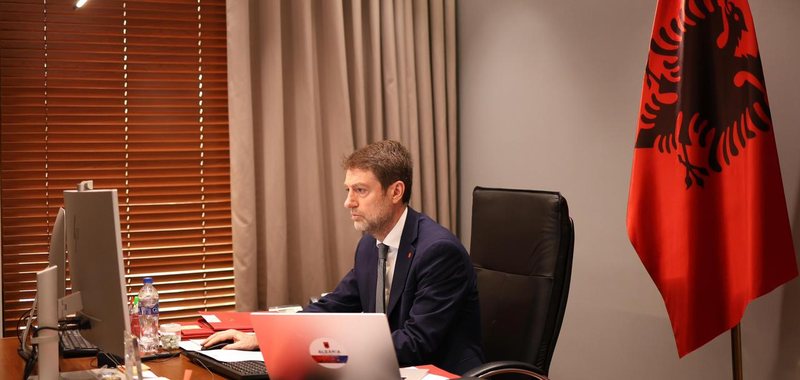
Albania among 40 allied countries for Hormuz, Minister Hoxha: Coordinated efforts to reopen the critical sea route
Minister for Europe and Foreign Affairs Ferit Hoxha has been part of the virtual meeting convened by British Secretary Cooper on the Strait of Hormuz. In a......
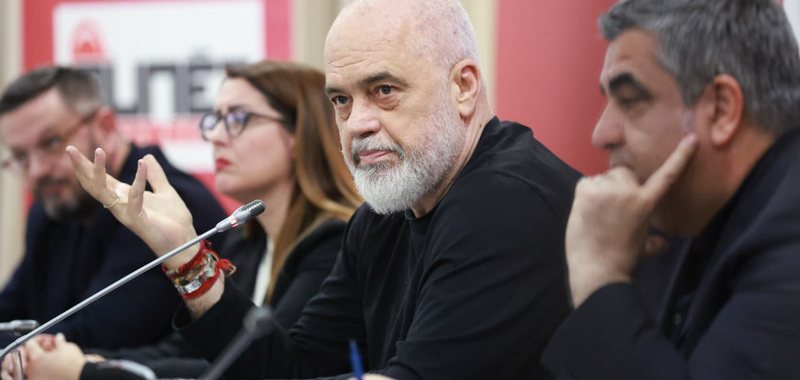
Legalization Reform, Rama: We will soon establish a new system with clear criteria
Prime Minister Edi Rama spoke today about the legalization process in Albania. During a meeting with citizens in Kashar, Rama said that some legalizations......

Construction of the 400 kV Albania-North Macedonia interconnection line begins, Karakaçi: We deepen mutual cooperation
On the North Macedonian side, work has begun on the construction of the 400 kV Albania-North Macedonia line. Present at the ceremony to start the works,......
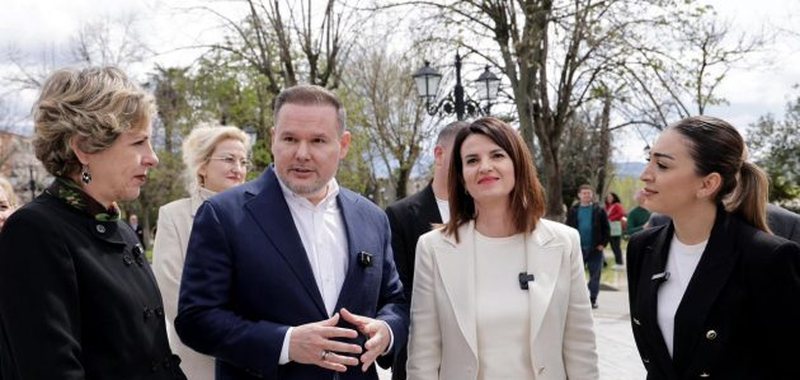
World Autism Day/ Payments for children with disabilities doubled and insurance for caregivers recognized
The Albanian government will double the monthly payment for 11,000 children with disabilities, and for the first time, social and health insurance will be......
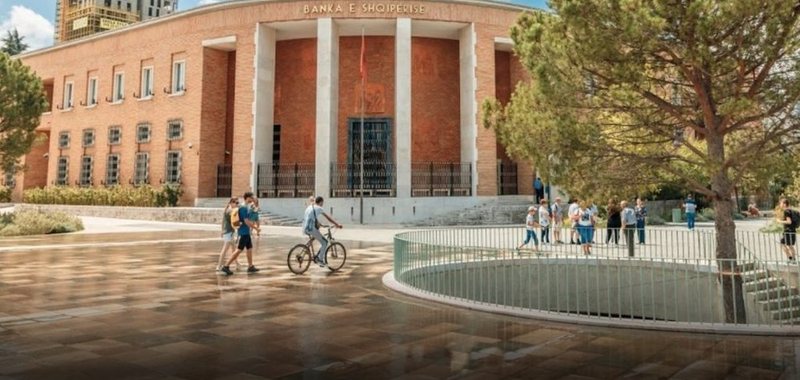
"Escalation of the conflict, impact on the Albanian economy" - BoA: Monetary policy stance will be reconsidered in early May
The military conflict in the Middle East has already brought a new reality to international markets and, if it escalates, will have serious impacts on the......

"State property generates revenue for the budget" - Ibrahimaj: Investment Corporation, based on best European practices
The Minister of Economy and Innovation, Delina Ibrahimaj, during an interpellation in Parliament requested by Democratic MP Jorida Tabaku, answered questions......
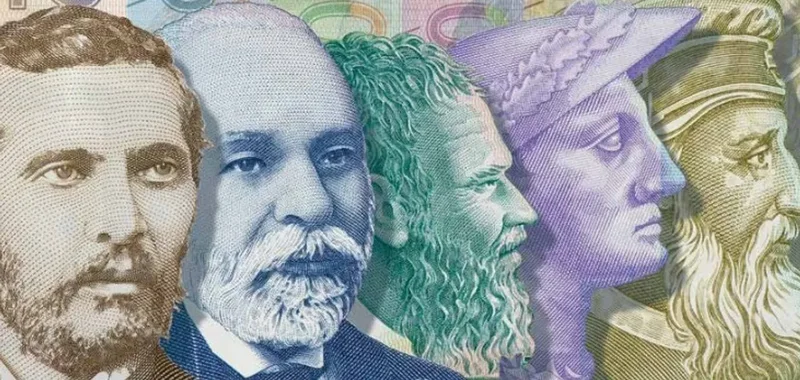
The 50-leke, the only currency that was counterfeited in 2025/ Historical minimum of counterfeit banknotes. Only 107 were seized
In a year when around 504 billion lekë circulated in the Albanian economy, counterfeiters left a minimal mark. The Bank of Albania's 2025 report shows that......
"Albania remains a safe country" - US Embassy warning, Lamallari: There is no real danger
A day earlier, the US Embassy in Tirana urged citizens to be vigilant. According to the embassy, Iran-linked groups may target US-affiliated entities or......