2025, a historic year for gold - Could its value increase further next year?

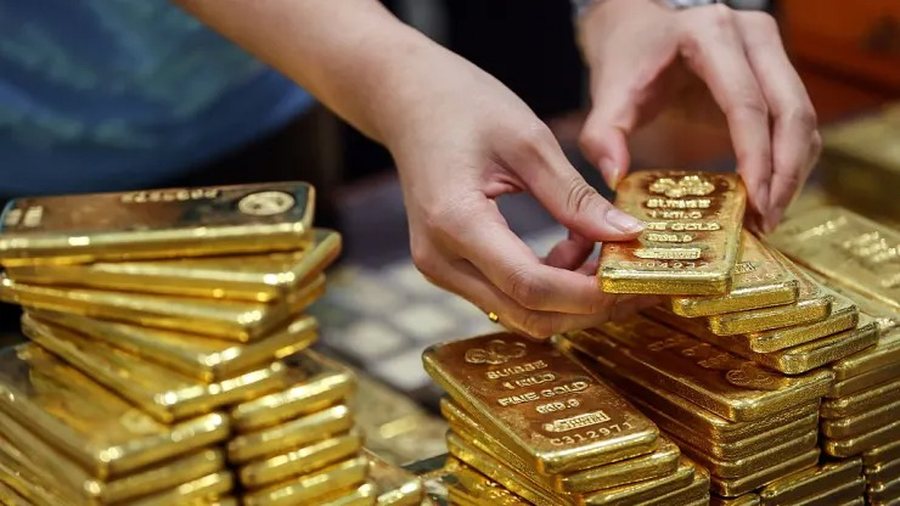
2025 was a historic year for gold, with a more than 60% increase in value, driven by central bank purchases, geopolitical tensions and a weakening dollar. For the coming year, economists predict a relatively stable market, but there is no shortage of alternative scenarios.
2025 was a historic year for gold, with a gain of over 60% and the achievement of more than 50 new records. The expansion in value put the precious metal on track to achieve its most successful year since 1979.
After this extraordinary rise, investors and analysts are considering whether the trend can continue in 2026. Unlike previous years, where a single event influenced the price movement, during 2025 gold prices were driven by a combination of factors. Central banks continuously bought the metal, while geopolitical tensions, trade uncertainty, low interest rates and a weakening US dollar also contributed to the increase in demand. According to the World Gold Council, geopolitical tensions and a weakening US dollar made significant contributions to the annual performance, while investor positioning and economic expansion further added to the strength of the growth.
However, 2026 starts from a different fundamental point; gold prices have already reflected macroeconomic expectations of steady global growth, modest rate cuts in the US and a relatively stable dollar. In this environment, gold appears fairly valued, with real interest rates not expected to fall significantly. Investor risk appetite is expected to remain balanced. Therefore, in the base case scenario, gold is expected to trade within a narrow range of –5% to +5% during 2026.
However, there are several alternative scenarios that could change this trajectory. In the event of slower growth and a moderate reduction in Federal Reserve rates, gold could rise 5–15% as investors shift to safe-haven assets. Meanwhile, a deeper recession would boost the metal’s value by 15–30%, due to more aggressive monetary easing, falling Treasury yields, and strong investor flows to safe-haven assets.
On the other hand, if the Trump administration's policies succeed in reviving economic growth, a return to reflation could raise interest rates and the dollar, shrinking the price of gold by 5% to 20%.

EU Commission opens investigation into Google over AI - Decision comes after tensions with US over the weekend
The European Commission on Tuesday launched an investigation into Google over its use of content from web publishers and YouTube material for its artificial......

Farmer from Maqellara, with 800 beehives - Production increases, in 2025 over 3500 hives were subsidized
Honey production in the country is increasing significantly from year to year, where support measures from the National Scheme have also had an effect. In......

Tirana among the most congested traffic in Europe/ We rank 49th, Moscow and London lead
Traffic has become one of the main problems facing cities today, especially those with high population, those that host large numbers of tourists, and cities......

Rreth 34.7% e shqiptarëve kanë qëndruar jashtë vendit mbi 3 muaj/ Punësimi sezonal dhe emigrimi, sfidë për tregun e punës në Shqipëri
Emigrimi sezonal ka njohur rritje të fortë në vitin 2025, sipas SecuriMeter të publikuar nga Këshilli për Bashkëpunim Rajonal. Të dhënat tregojnë se 34.7% e......

EU agrees on distribution of asylum seekers - Relocation planned within member states. Kosovo among safe countries
EU interior ministers agreed to simplify asylum rejections and create a list of safe countries. They also plan to relocate 21,000 asylum seekers within the......

EU gives "green light" to Italian plan for migrant centers - Gjadër and Shëngjin towards activation after new agreements on returns
Italy says the Council's approval of the main migration package on Monday paves the way for the opening of two asylum centers in Albania, which had been on......

Kosovo Chamber of Commerce sues energy regulator - Requests implementation of court decision: ERO is violating the free market
The Kosovo Chamber of Commerce has sued the energy regulator for failing to implement the Supreme Court's decision, which repealed several provisions of the......
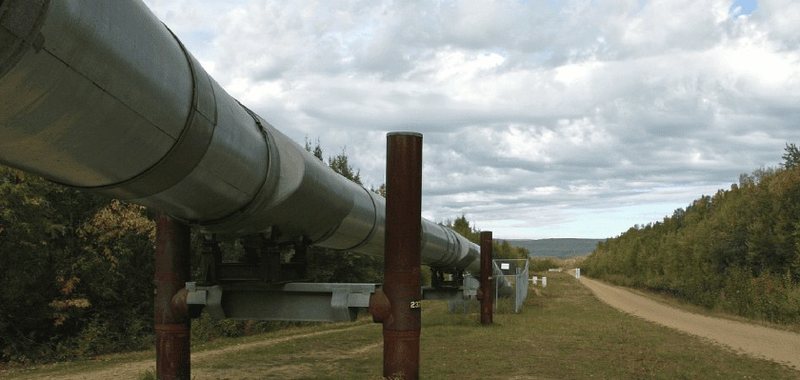
Turkey guarantees Hungary's supply of Russian gas - Prime Minister Orban announces agreement with President Erdogan
Turkey and Hungary have agreed that Ankara will guarantee the passage of Russian gas to Budapest. Prime Minister Viktor Orban continues to rely on Russian......