Consequences of Trump's tariffs in the US Some industries face lingering effects a year later

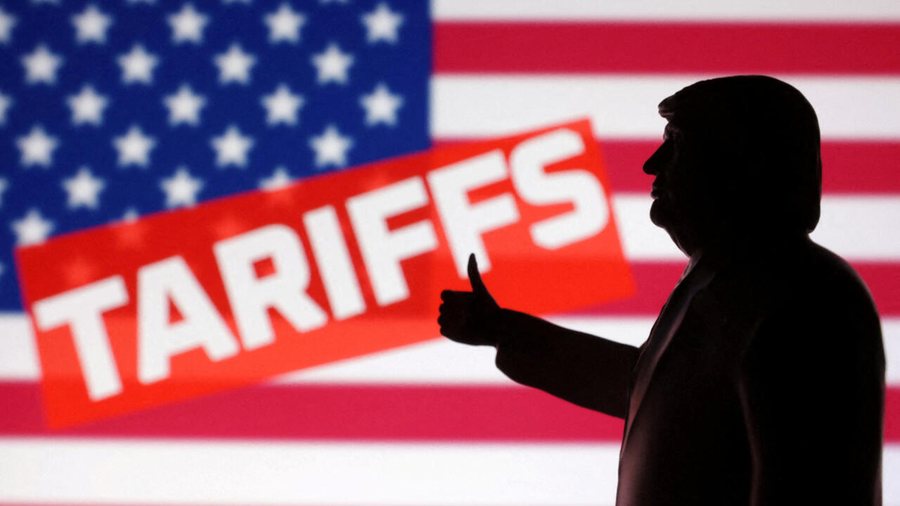
A year after President Donald Trump declared "liberation day" and imposed sweeping tariffs on imports, setting off a wave of economic and political uncertainty, some companies are still feeling the effects.
While some industries have emerged largely unscathed, having weathered the tariff changes, others, such as retail, automotive, consumer packaged goods and pharmaceuticals, are facing a new reality in global supply chains.
According to analysts, executives at U.S. corporations had to really think about where we buy from versus whether we can import or not. About 80% to 85% of costs were absorbed domestically, meaning either U.S. corporations had to bear the brunt, or pass it on to customers, or a mix of both.”
On April 2, 2025, in the White House Rose Garden, Trump announced sweeping country-by-country tariffs, as well as a 10% base tax on countries not specifically listed in that statement. These tariff policies fluctuated widely in the months that followed, as Trump made deals and waived some of the most extreme obligations.
With trade and tariff policies constantly changing, companies were forced to be more flexible and diversify their supply chains over the past year. Moving operations from countries such as China, Vietnam or Mexico meant saving on import costs, but for many industries, this was a difficult task.
According to analysts, customers in the early months made "aggressive" changes to overcome tariff costs, but because these policies continued to change, companies began to move more slowly and invest resources in modeling scenarios.
Scientific research, with three levels of funding - New institutions, no performance criteria for the first 3 years
The government has approved a new funding model for science and scientific research, aiming to increase efficiency and transparency in the distribution of......

Deputy Prime Minister Koçiu and Minister Gonxhja visited the reconstructed Palace of Culture in Mat
"Works of Albania" also focuses on Mati. In a post on social networks, Minister Blendi Gonxhja praised the reconstruction of the Burrel Palace of Culture, a......

Kosovo Government approves draft law on price ceilings for basic products and health insurance
Prime Minister Albin Kurti’s cabinet on Friday passed draft laws on price ceilings and mandatory health insurance, which must be sent to the Kosovo Assembly......
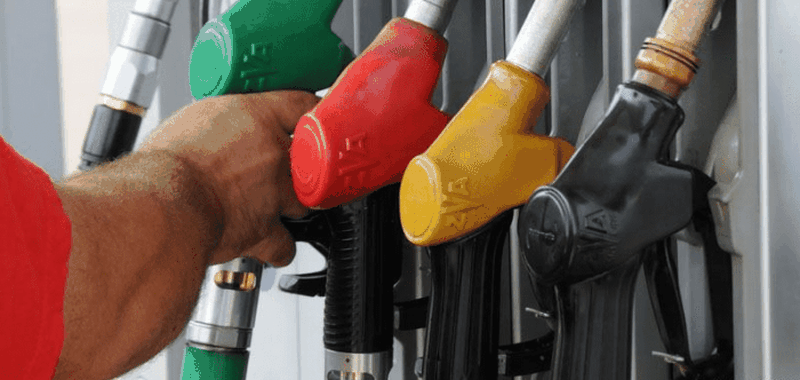
New fuel prices, Transparency Board: diesel 224 lek per liter, gasoline 181 lek per liter
New prices for the sale of fuel in the retail and wholesale markets will come into effect from 8:00 PM today. The Transparency Board published the new prices......
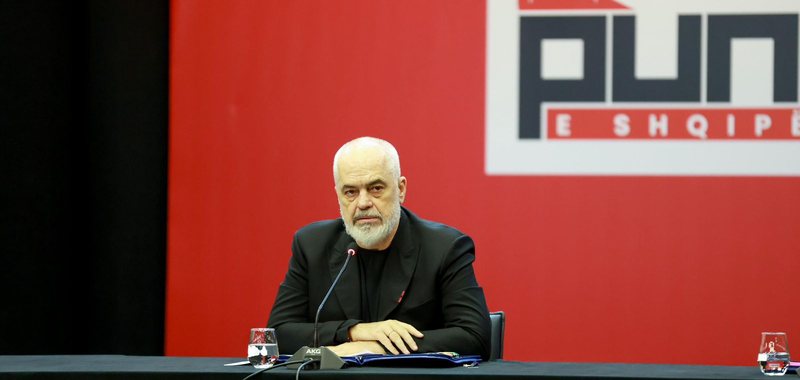
Rama: Task force for waste. We strengthen emergency capacities
Prime Minister Edi Rama held a meeting with the mayors of the municipalities, where he discussed solving several problems. He spoke about establishing a task......

Malaj: Government reduces fuel excise by 20% if prices rise above threshold
The Albanian government has approved a Normative Act to reduce fuel excise duty, as a measure to cope with the increase in prices in international markets,......
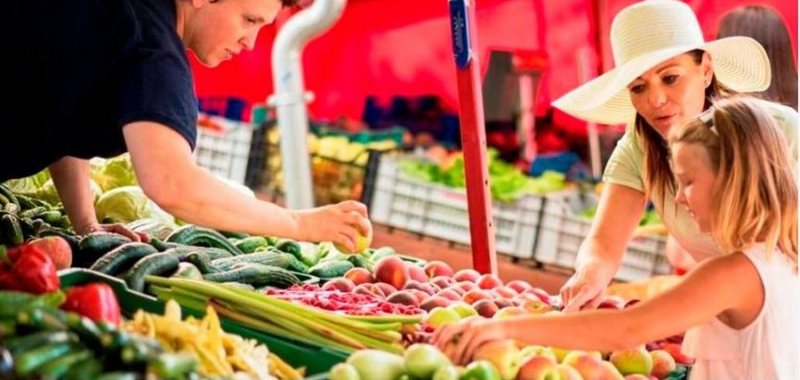
Price increases in markets drive away buyers - Peppers up to 500 lek/kg, tomatoes up to 400 lek/kg
The increase in fruit and vegetable prices is increasingly being felt in family budgets, as basic products are becoming more expensive week by week. SCAN......

Will the beauty sector be formalized with indicative salaries? - Hasalla: Taxes must be followed rigorously to give the right effect
The personal care sector, one of the most exposed to informality, has been put in the spotlight of the Tax Administration. By setting indicative salaries for......