Kosovo Government approves draft law on price ceilings for basic products and health insurance

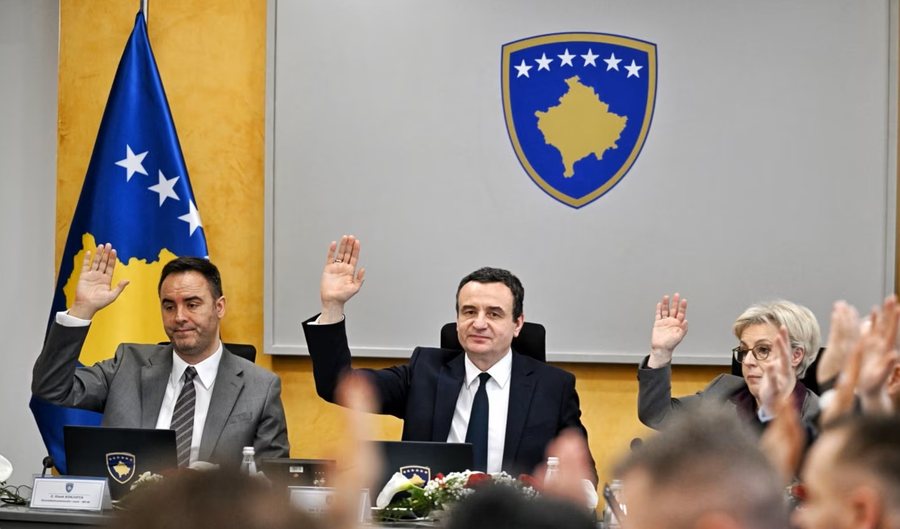
Prime Minister Albin Kurti’s cabinet on Friday passed draft laws on price ceilings and mandatory health insurance, which must be sent to the Kosovo Assembly for approval before becoming law. This is Kurti’s latest attempt to strengthen these two laws, after the Constitutional Court struck down both of them during his previous four-year term. The draft law on price ceilings, known as the draft law on temporary measures for basic products in special cases of market destabilization, also comes at a time when the sharp increase in fuel prices in the country has fueled fears of a chain reaction of price increases, especially for basic goods.
In just a few weeks, the price of a liter of diesel at gas stations in Kosovo has reached 1.79 euros, compared to 1.33 euros on March 3, three days after the US and Israel launched attacks on Iran. Speaking at his cabinet meeting on the draft law, Kurti said: “We are bringing this draft law for approval, which comes as a necessary response to a reality and experience that our citizens have experienced: unexpected price increases, market uncertainty and a lack of protection mechanisms.”
The draft law establishes a necessary balance between the free functioning of the market and the state's responsibility to protect the public interest in extraordinary situations, according to Kurti.
The law on price ceilings was declared invalid by the Constitutional Court in 2023, when the court stated that it was not in accordance with the country's Constitution.
The Minister of Industry, Entrepreneurship, Trade and Innovation, Mimoza Kusari – Lila, said during the presentation of the draft law that she took into account the recommendations of the Constitutional Court in its drafting. She said that the new draft law defines two types of temporary measures: setting the trade margin for wholesale and retail sales, as well as setting the maximum allowed price for basic products. The previous law, now declared invalid, defined basic products as: cereals, bread, flour, rice, pastries, sunflower oil, milk, table salt, chicken eggs, chicken meat, granulated sugar, personal hygiene products and wood for burning.
Health Insurance Law
The Law on Mandatory Health Care Insurance was struck down by the Constitutional Court in January, after it found that the law had been passed unconstitutionally.
The court said in its January ruling that the Assembly adopted it on December 5, 2024, committing procedural violations during the law-making process. Presenting the new draft law on Friday, Health Minister Arben Vitia said it was “one of the most important initiatives for the future of healthcare in our country.” He said the law would establish a mandatory health insurance fund for Kosovo. The draft law covers the entire population of the country, aims to provide universal access to basic health services, and increase the quality of services, he stressed.
It also foresees the regulation of health insurance contributions as a source of healthcare financing, which will be additional to the current financing from the state budget.
This is a 10-year effort to bring mandatory health insurance to the country. The lack of mandatory health insurance is believed to have harmed all citizens of Kosovo, especially the poorer sections of society and vulnerable groups, such as pensioners and social cases.
Services in public health institutions in Kosovo are provided free of charge only for certain categories, such as children, pensioners or social cases, while for others a co-payment for healthcare applies.
Its amount varies - from 1 to hundreds of euros - depending on the service the patient receives.
For those treatments that are not provided in public institutions, the Health Insurance Fund, which is managed by the Ministry of Health, is responsible for covering the costs. But bureaucratic procedures, until patients receive the necessary funds, take weeks, and sometimes even months. Therefore, many citizens are forced to cover the costs themselves - either in private hospitals or abroad.
Only those who get health insurance from private companies have it.
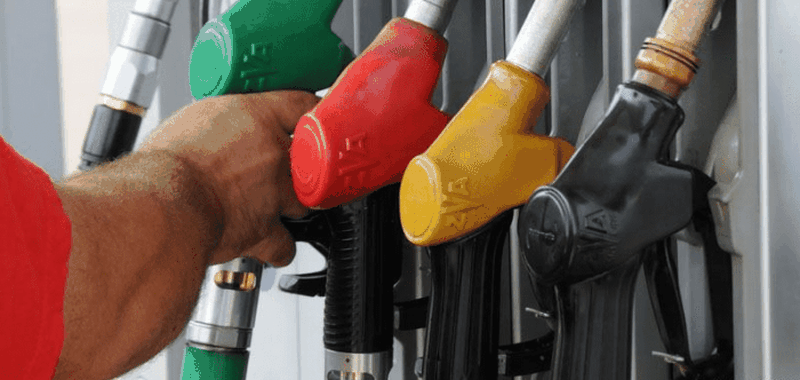
New fuel prices, Transparency Board: diesel 224 lek per liter, gasoline 181 lek per liter
New prices for the sale of fuel in the retail and wholesale markets will come into effect from 8:00 PM today. The Transparency Board published the new prices......
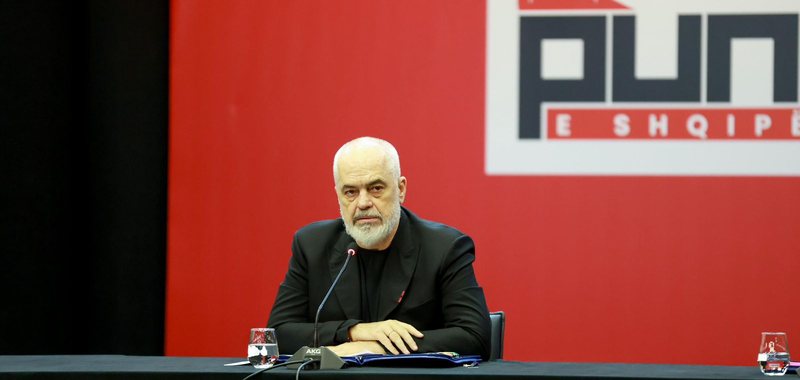
Rama: Task force for waste. We strengthen emergency capacities
Prime Minister Edi Rama held a meeting with the mayors of the municipalities, where he discussed solving several problems. He spoke about establishing a task......

Malaj: Government reduces fuel excise by 20% if prices rise above threshold
The Albanian government has approved a Normative Act to reduce fuel excise duty, as a measure to cope with the increase in prices in international markets,......
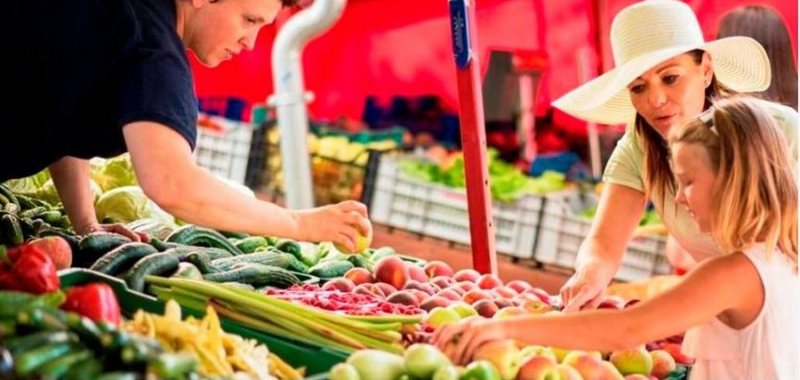
Price increases in markets drive away buyers - Peppers up to 500 lek/kg, tomatoes up to 400 lek/kg
The increase in fruit and vegetable prices is increasingly being felt in family budgets, as basic products are becoming more expensive week by week. SCAN......
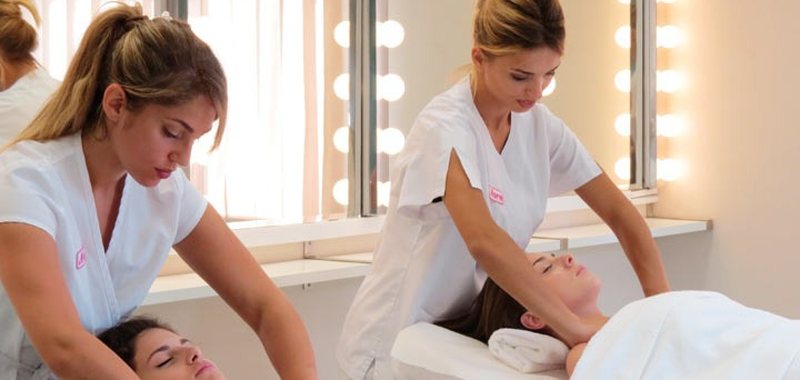
Will the beauty sector be formalized with indicative salaries? - Hasalla: Taxes must be followed rigorously to give the right effect
The personal care sector, one of the most exposed to informality, has been put in the spotlight of the Tax Administration. By setting indicative salaries for......
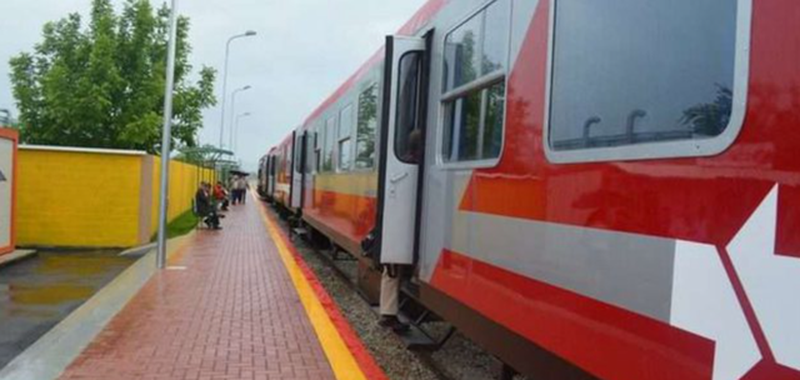
Railways, projects over 1.7 billion euros - Priorities 2027-2029, cost for Durrës-Pristina 750 million euros
The government has identified a number of priority projects in the rail transport sector for the period 2027–2029, some of which are classified as "mature"......

How much 'savings' do Albanian businesses have in the bank? At the end of 2025, 354.6 billion lek of insurable deposits
Albanian businesses had 354.6 billion lek of insurable deposits in banks at the end of 2025, but most of this amount remains above the coverage limit of the......
OPEC+ mund të rrisë prodhimin e naftës - Sipas analistëve, do të ketë pak ndikim të menjëhershëm në furnizim
OPEC+ mund të rrisë më tej prodhimin e naftës kur tetë anëtarë të takohen të dielën, një veprim që do t'i poziciononte prodhuesit kryesorë për të shtuar më......