LNG, in the "trap" of Hormuz - Qatar and the Emirates seek alternative routes. Exports fall, transport costs rise


The Strait of Hormuz remains the weakest point for global liquefied natural gas supplies. Six months after the blockade of the sea route, Qatar and the United Arab Emirates are resorting to emergency solutions to keep exports moving, while LNG flows remain well below pre-conflict levels.
Three LNG cargoes were recently transferred from one ship to another, in operations known as STS (ship-to-ship), off the coasts of Oman and the United Arab Emirates. The cargoes were moved before proceeding to buyers in Asia.
The operations have been used primarily for ships that could not complete their journey normally. But this emergency solution comes at a high price. Transferring LNG from one ship to another is much more complex than transferring oil. Liquefied natural gas must be stored at around minus 162 degrees Celsius, which requires special cryogenic equipment, tugboats, safety measures and specialized personnel.
Such an operation can take up to 35 hours and add more than $1 million in costs to each transfer. Furthermore, keeping LNG on board for long periods creates potential losses from gas evaporation and blocks ship capacity.
For this reason, ship-to-ship transfers are not common practice in the LNG trade. They are mainly used in emergency situations, when a ship cannot continue its route.
The problem is particularly acute for Qatar. The Ras Laffan industrial complex is one of the world's most important LNG production and export hubs. Before the conflict, it handled about 140 to 150 LNG cargoes per month.
But almost all of this gas must pass through Hormuz to reach international markets. Unlike oil, there is no large-scale alternative route for LNG.
The consequences are visible in export figures. According to the International Energy Agency, LNG shipments from Qatar and the Emirates fell by about 35 billion cubic meters from March to June, compared with the same period a year earlier.
Qatar alone exported 18 cargoes of LNG during the first six months of the conflict, compared to 509 cargoes in the same period last year. This translates into a drop of about 96%.
The financial losses are equally large. Qatar is estimated to have lost about $24 billion in gas sales during this period. QatarEnergy has declared force majeure for some shipments, and cancellations could continue in the coming months.
However, the shortage from the Gulf has not been fully reflected in global supply. Other producers have increased exports and are trying to fill the gap.
According to the IEA, LNG production outside the Gulf rose by almost 18%, or about 27 billion cubic meters, from March to June. North America and Africa were among the regions that increased supply, helped by new projects and greater use of existing capacity.
This increase has offset about three-quarters of the decline in exports from Qatar and the Emirates, but has not eliminated the pressure on the market. Gas prices continue to remain above pre-conflict levels. At the center of the crisis remains the Strait of Hormuz, one of the planet's most important energy arteries. About a fifth of the world's oil and gas usually passes through this waterway.
The Emirates has the option of bypassing Hormuz for some of its oil exports via a pipeline to Fujairah. But for LNG, there is no similar infrastructure that can replace sea transport.
Meanwhile, diplomatic efforts are underway to partially restore freedom of navigation. Qatar and Iran have discussed the creation of a temporary shipping corridor and the possible clearing of mines from the waterway.
Unless normal traffic returns, the pressure on Gulf exporters is expected to continue. For Qatar, the challenge is particularly great, as its economic model and position as one of the world's leading LNG suppliers depend on the ability to get gas to international markets.

Not a single hectare moved?! INSTAT reports the same forest area as in 2024
Albania had about 1.15 million hectares of forests in 2025, an area that has not changed compared to the previous year. The latest INSTAT data show that......

Ndryshon harta e udhëtimeve/ Cilat destinacione shënuan rritjen më të madhe?
Vera është një nga periudhat më të ngarkuara të vitit për aeroportet, me udhëtime të shumta për pushime, takime me të afërmit dhe arsye të tjera. Por, përtej......
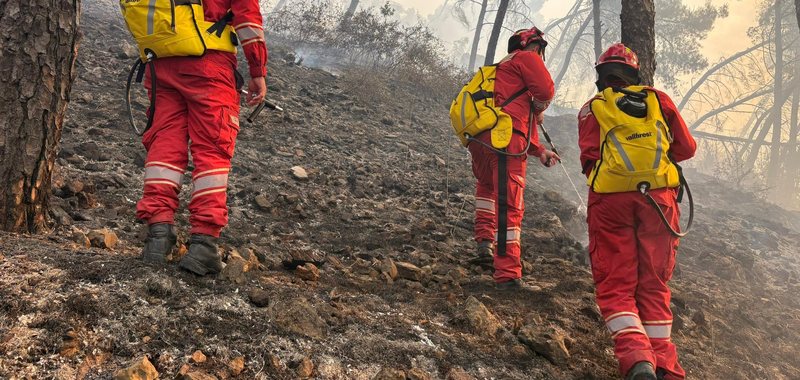
Fires, calmer summer than 2025 - Less burned area, minimal damage to homes. 132 large fires in total
Despite the fact that fires were inevitable, this summer there were fewer hectares of burned area than last year. Closer coordination between prefectures,......

OSSH aims for losses at 16.5% - Smart meters, automation and real-time monitoring for network control
The Distribution System Operator aims to further reduce electricity losses in the network during 2026, by directing part of the investments towards smart......

AI is introduced into public procurement - Ibrahimaj: Technology will increase transparency and efficiency
Technology and artificial intelligence are expected to play a greater role in public procurement in Albania. The Centralized Purchasing Operator and the......
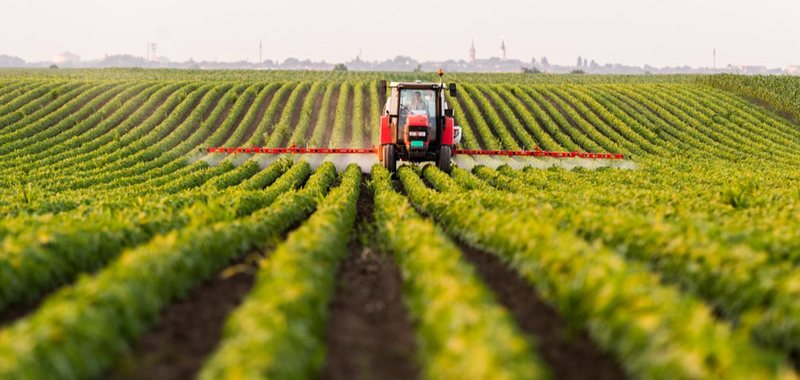
Minister Salla: Agricultural Exchange, more alternatives and negotiating power for farmers in selling their production
The Minister of Agriculture and Rural Development, Andis Salla, presented the initiative to establish the Agricultural Exchange, a new mechanism that aims to......

Former tenants interest-free loans - Minister Ibrahimaj: The application is made in e-Albania
The Minister of Economy and Innovation, Delina Ibrahimaj, announces that former tenants in former private property will have the opportunity to benefit from......

Serbia heads to elections - Vučić sets October 25 for early parliamentary race
Serbia will hold early parliamentary elections on October 25, announced President Aleksandar Vučić, who is expected to run for the post of prime......