Which countries do we buy the most expensive meat from? From Japan to Chile. The most expensive and cheapest suppliers for 2025

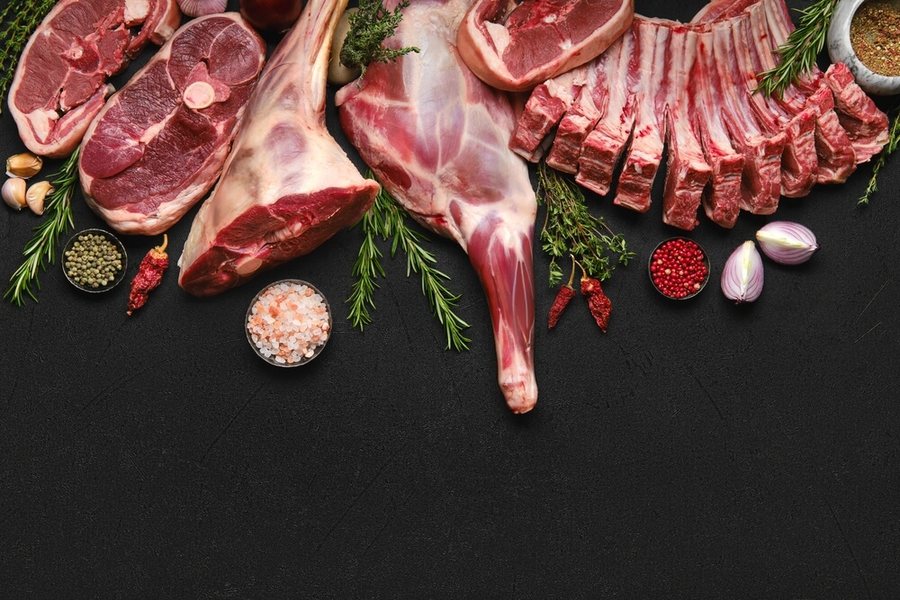
Albania imported meat from dozens of countries during 2025, but the price per kilogram varies significantly depending on the origin. Official import data, processed by value and weight, show that while the majority of meat comes from countries with relatively low prices, a small amount is imported at very high costs per kilogram.
At the top of the list for the most expensive meat entering the country is Chile, with an average price of around 6,460 lek per kilogram. Although the quantity imported from this country is minimal, only 173 kilograms, the high value per unit makes it the most expensive import in relation to weight.
After Chile comes Japan, from where Albania imported only 2.8 tons of meat, but with an average price of 3,577 lek per kilogram. Australia and Uruguay also appear with very high prices, respectively over 2,650 lek/kg and 1,440 lek/kg, reflecting premium products or high transportation costs.
The group of imports with high prices per kilogram also includes Botswana, Ireland, Austria, North Macedonia and Argentina, where the price fluctuates from 500 to over 1,500 lek per kilogram. Here too, these are relatively small quantities, but with a strong impact on the average cost of imports.
On the other side of the table are the countries from which Albania is supplied with cheaper meat. Slovakia leads with only 46 lek per kilogram, followed by Belgium, Slovenia, Lithuania and Greece, where the price remains under or around 100 lek per kilogram. These countries constitute the basis of low-cost imports.
Brazil, from which we also have the highest volume of imports, the price per kilogram is estimated at 189 lek, while with Italy it is 198 lek.
The very high prices per kilogram of meat imported from countries such as Japan, Chile, Australia or Uruguay are mainly related to very small import quantities and premium products. In these cases, the fixed costs of intercontinental transport, cold chain and customs procedures are spread over a few kilograms, significantly increasing the average price per unit. These are symbolic imports, often destined for restaurants or specialized consumption, and not for mass market supply.

Rule of law, where is Albania going? The country shows gradual improvements and room for development in institutions
The Global Rule of Law Index, published by the World Justice Project, positions Albania among countries that are actively working to improve the functioning......

How did this week end for the major currencies?
The US dollar, after continuous fluctuations during this week, has closed this period positively, gaining points from yesterday as it was bought today at......
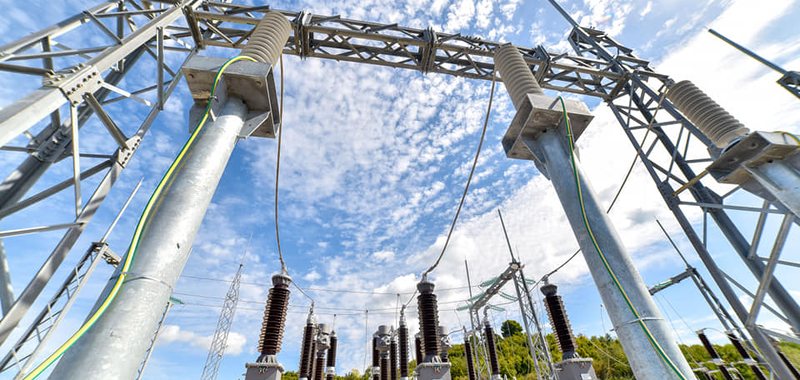
New 110 kV Zogu i Zi-Tirana, Center line - Construction tender opens. Security of electricity supply improved
The Public Procurement Agency has announced the opening of the competition for the construction of the new 110 kilovolt Zogu i Zi – Tirana, Center electrical......
Digitalization of customs services, main indicators January–December 2025
During the period January-December 2025, customs services provided through the e-Albania platform have marked a steady increase, reflecting the progress of......
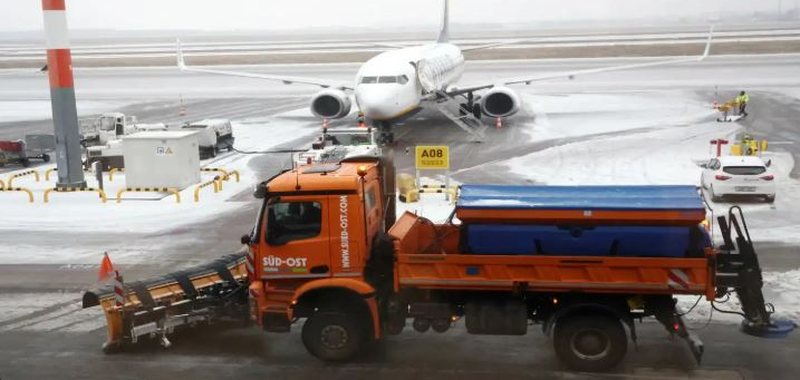
Berlin Airport closed again today - Stops aircraft operations due to ice and freezing rain
Operations at Berlin's international airport remained grounded early Friday, with no planes able to take off or land due to ice and freezing rain. A......
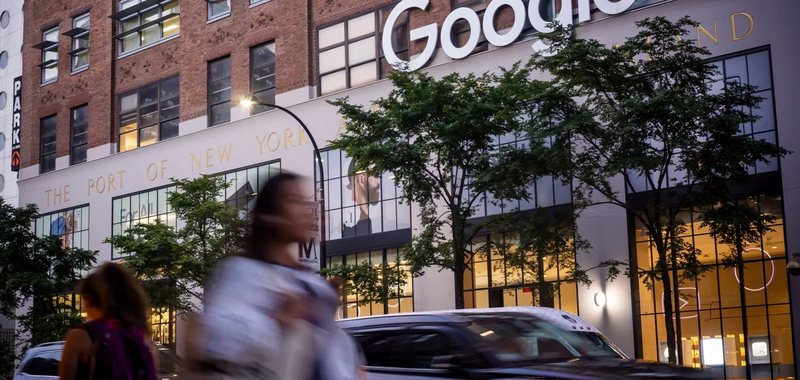
Google AI breaks prediction records - Gemini app reaches over 750 million users
Google's parent company, Alphabet, is emerging as a more successful competitor to OpenAI, which holds the status of a leader in artificial intelligence. The......
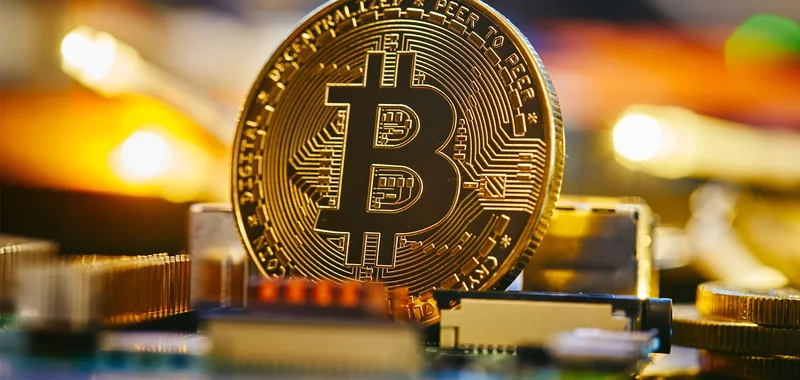
Crypto market worth $2 trillion less - Bitcoin, at lowest level since October 2024. Only $66,675
Bitcoin fell sharply in midweek, accelerating its decline due to volatility in the precious metals market and technology stocks. The world's largest......
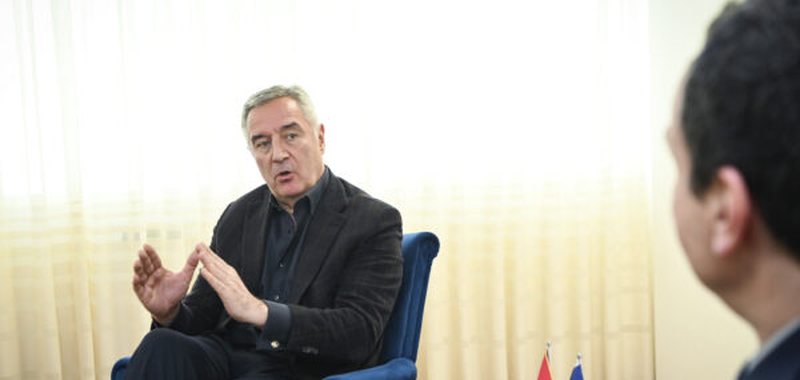
Security in the Western Balkans, Albin Kurti receives former President Djukanovic in Pristina
The Prime Minister of the Republic of Kosovo, Albin Kurti, received the former President of Montenegro, Milo Djukanovic, in a meeting. The media reported......