About 57% of prisoners are not yet guilty/ Statistics on prison population, Albanians spend years waiting for a trial

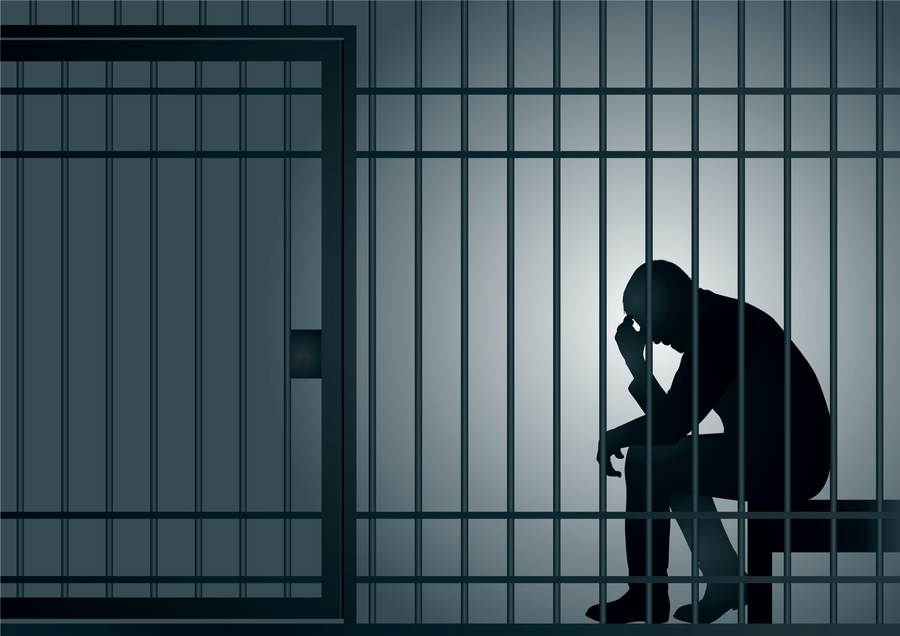
In Albania, prison no longer functions solely as a place to serve a sentence handed down by the court. Official data and Scan Intel's findings on the penitentiary system show that it is increasingly being used as a waiting room for a justice system that is delayed. Pre-trial detention, which in principle should be a temporary and exceptional measure, has become a structural element of the penal system.
More detainees than convicted
At the end of December 2025, there were 1,934 persons sentenced by final decision in prisons, while 2,569 persons were in pre-trial detention. This means that most of the persons behind bars have not yet been sentenced, but are awaiting the conclusion of the investigation or trial. Therefore, pre-trial detainees in our country, according to statistics from the “General Directorate of Prisons”, account for about 57% of the total prison population.
In the SPACE I 2024 report for Albania, the section on pre-trial detention is particularly important. The percentage of pre-trial detainees is high compared to the European average. A significant part of the prison population in Albania has not yet been convicted, but is awaiting trial. The report highlights that pre-trial detention is often used as a standard measure, instead of lighter alternatives such as conditional release or financial guarantees. The Council of Europe and other international organisations have stressed that Albania should reduce the use of pre-trial detention and ensure that it is used only when absolutely necessary.
Prison keeps society's active age within
The figures also show that prison and pre-trial detention mainly affect the working age of society. Among convicts, the age group from 25 to 50 years old constitutes the vast majority of the prison population. The same trend is observed even more strongly among pre-trial detainees, where the age group 30-40 years old is the most represented, followed by 25-30 and 40-50 years old. This means that social and economic consequences are created that go beyond the individual arrested.
The report emphasizes that long pretrial detention for these age groups increases the risk of social exclusion and significantly complicates reintegration, even in cases where the person is found innocent.
Serious crimes and lengthy investigations
The structure of criminal offenses shows that Albanian prisons are not filled mainly with minor offenses. Among convicts, murders and drug-related offenses account for a large proportion, while thefts and other offenses complete a picture of serious criminality. Even among detainees, drug-related offenses, thefts and murders constitute a significant proportion of cases, which indicates that a large number of people are in detention for cases that require complex investigations and lengthy judicial processes.
Duration of sentences
The dominance of sentences over five years, including a significant number of sentences from ten to twenty years and life sentences, makes the circulation in the system slow. According to statistics, the largest weight is held by those sentenced from 5 to 10 years, followed by those sentenced from 10 to 20 years.
Detention during the year: faster entries than exits
Monthly data show that the number of detainees remains high throughout the year, with small fluctuations and peaks in the second months of the year. This indicates that entries into the system are continuous, while exits do not compensate for the pace of new detentions.
In this context, amnesty can be seen not as a penal policy, but as a consequence of pressure on the system.

Is the state encouraging wage increases in the private sector? - Gjokutaj: It requires more than fiscal incentives
The increase in salaries in the public administration has brought back into focus the debate on the level of salaries in the private sector and the ways in......

The exchange rate "hits" euro deposits - Where should we spend and invest money in the conditions of the strengthening lek?
The exchange rate risk has made many citizens reflect on their savings during 2025. Deposits in euros are opened mainly by individuals and businesses that......
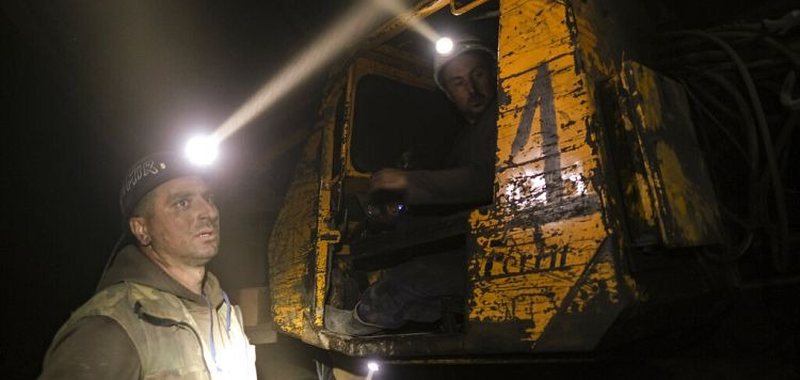
"Approve the status of the miner" - Tabaku: Special social protection. SP MPs: Populist bill
Democratic Party MP Jorida Tabaku has requested the approval of the status of miners, to ensure special social protection and improved working conditions for......
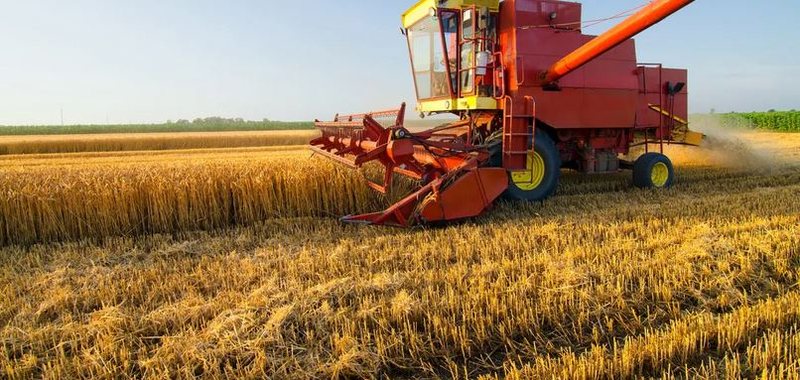
Who benefits from VAT compensation in agriculture? - Instruction/ Farmers must keep sales receipts, tax application
Farmers must collect all invoices for the sale of agricultural products from collectors in order to benefit from the 10% VAT compensation measure. The......

There is no excise tax reduction for domestic beer! - The majority rejects the proposal. Tobacco: 11% production drop
The unification of the excise tax on beer in 2022 at 710 lek/hectoliter has led to damage to domestic production and an increase in imports. With the......

How much do banks earn from our interests? - BoA: Total net income including commissions, lower than in 2024
Have you ever wondered how much money banks make from the interest we pay on loans? Gross interest income last year was 97 billion lek, about 3% higher than......
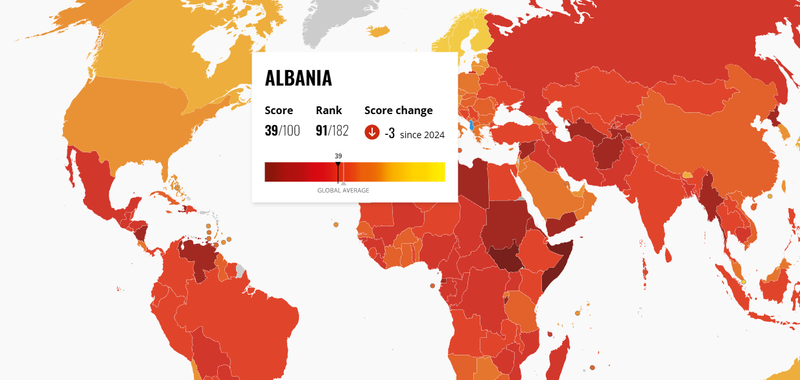
Corruption index, the region does not perform well / Albania in 91st place for 2025. Serbia with 33 points ranks last
The best way to measure corruption in a country is precisely the perception of it, and Transparency International publishes the most prestigious global......

Qiratë në Shqipëri ndër më fitimprurëset në Europë/ Në Tiranë, Durrës e Vlorë investimi kthehet më shpejt falë qirave
Shqipëria po konsolidohet gradualisht si një nga tregjet më interesante në Europë për investime në pasuri të paluajtshme, veçanërisht në sektorin e qirave.......