Which region has the most indigenous people? Kukës, the absolute champion. Durrës and Tirana register the fewest indigenous people

INSTAT data on place of birth and residence reveal an interesting reality about the internal movement of the population in Albania. Comparing the region where citizens were born with the region where they currently live, it becomes clear that some areas remain deeply autochthonous, while others have become strong centers of internal migration.
The region that leads convincingly is Kukës. A full 93.3% of the residents of this region were born there, a figure that places Kukës at the top of the list nationally. This indicates a very low population mobility within the country and a relatively stable demographic structure, despite emigration outside Albania.
Following Kukës are Shkodra and Korça. In Shkodra, 90.6% of the inhabitants were born in the same region, while in Korça this percentage reaches 86.3%. Elbasan and Gjirokastra also show high levels of autochthonism, with 84.8 and 83.9% of the population living where they were born, respectively. Fier and Dibra follow with figures above 80%, confirming that most regions outside the Tirana-Durres axis still retain their native population.
At a more intermediate level are Berat and Vlora. Both regions have 76.3% of their residents born within their territory. These figures show a balance between stability and movement, with some of the population remaining, while others move mainly towards larger urban centers.
Lezha appears with a lower percentage than commonly perceived, with 75.1% of the autochthonous population. This shows that the coastal regions, in addition to Tirana and Durrës, are also involved in internal migration flows, albeit to a more moderate extent.
At the bottom of the ranking stand two regions that represent the opposite reality of indigenous Albania. In Durrës, only 56.1% of the inhabitants were born in this region, while in Tirana this percentage drops to 51.8%. This means that almost half of the population of the capital is made up of citizens born in other regions. Tirana remains clearly the main destination of internal migration, while Durrës functions as the second largest alternative.
Census data clearly show that Albania is divided into two demographic realities, a part of regions that maintain the traditional population structure and another part that faces the pressure of continuous growth from internal migration. The question that arises is no longer just which region has the most autochthonous people, but how this division will affect the economic, infrastructural and social development of the country in the coming years.
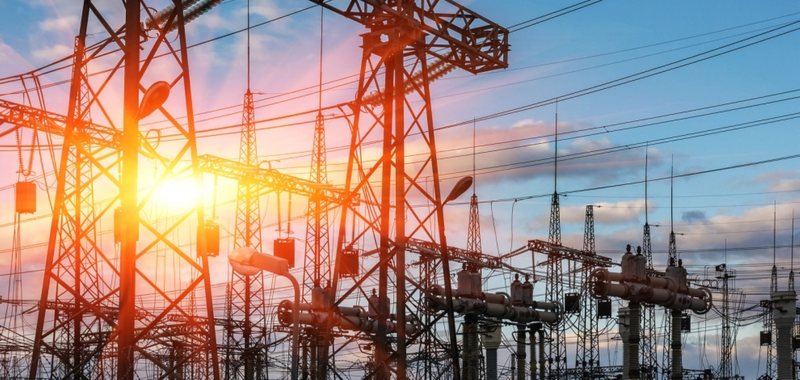
14 million euros from energy sales - Albanian Power Corporation conducts 5 procedures in January
As flows in the Drini Cascade reached high levels as a result of recent weeks' rainfall, the Albanian Power Corporation has developed several sales......
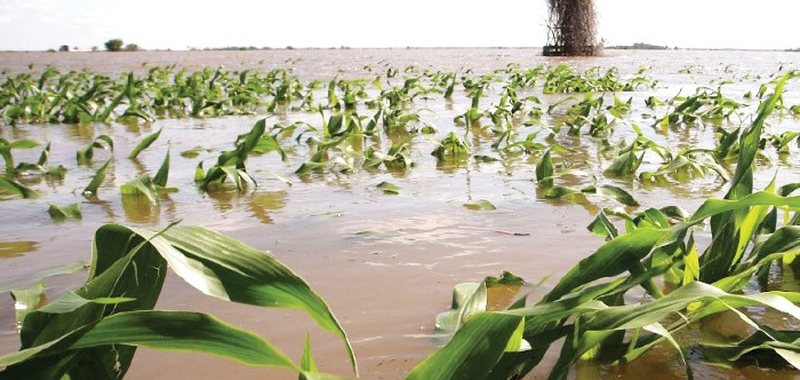
How will compulsory insurance in agriculture work? - Separate scheme/ Part of the premium is paid by the state and decreases year after year
The government has included the phenomenon of flooding in the mandatory insurance scheme. However, the draft law on mandatory insurance of homes against......
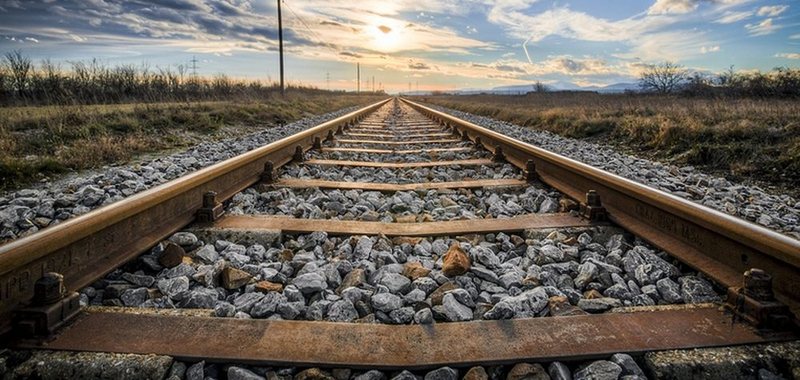
Railways, in focus of French investors - AIDA presents key projects and regional cooperation
Albania is aiming to turn the railway into a key pillar of economic development and regional connectivity. In this context, a seminar on investment......
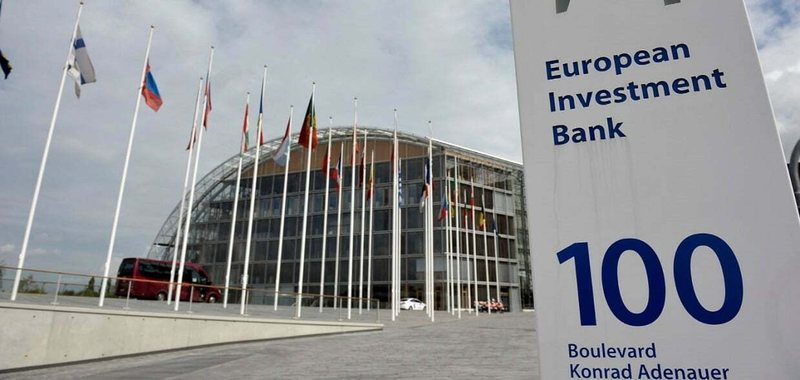
Around 830 million euros in financing for Albania - EIB, more investments in transport. Focus on the rehabilitation of railways
The European Investment Bank (EIB) has financed a total of around 830 million euros for Albania by the end of last year. According to official data from this......
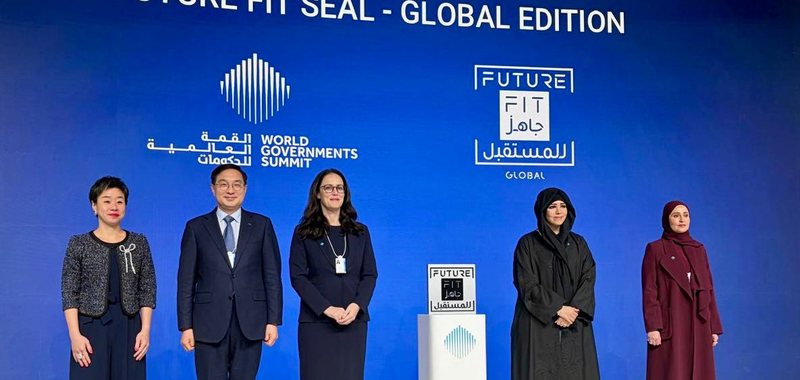
'Diella' awarded with the “Future Fit Seal” Award at the World Government Summit in the United Arab Emirates
"Diella" has been awarded the "Future Fit Seal - World Government Summit Edition", a prestigious award that honors innovative initiatives and new governance......
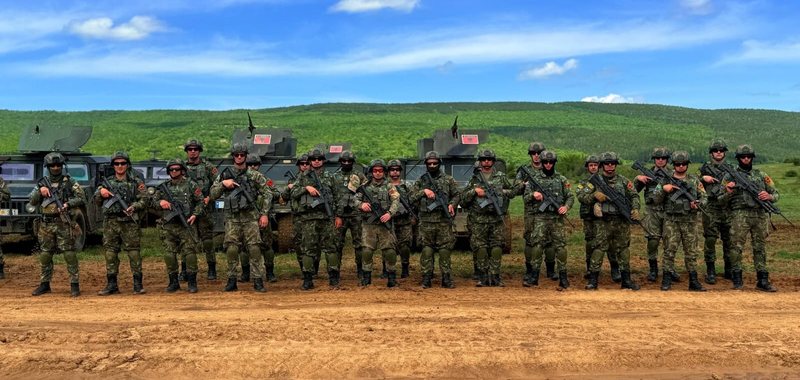
State-owned arms company creates 326 jobs - Security and confidentiality standards for personnel. How much will KAYO's revenue be?
The Albanian state-owned company for the production and trade of weapons, ammunition, military equipment and technologies, KAYO, is expected to create around......
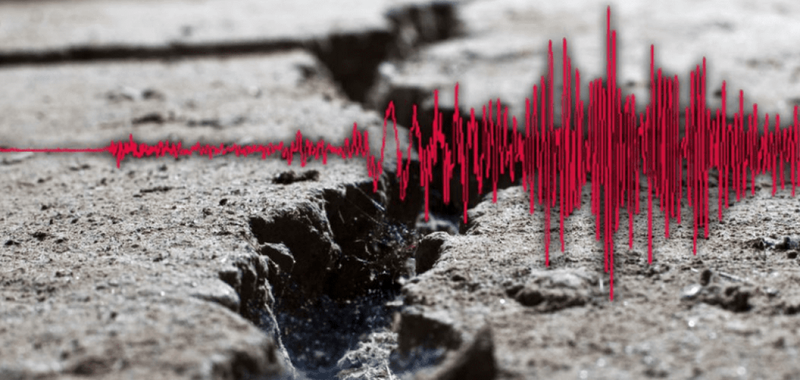
Should citizens pay the same for earthquakes? - Experts: The premium should be unified, otherwise it will cause problems in implementation
The draft law on mandatory earthquake and flood insurance, in the opinion of experts in the field, needs further improvements before being approved. Thus,......
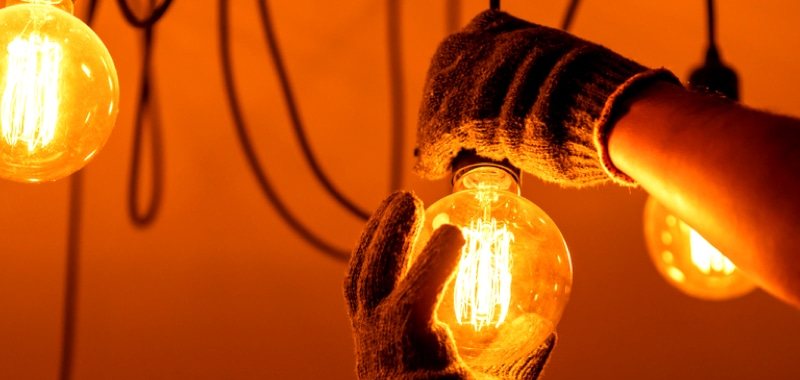
What professions can the energy transition create in Albania? - From technicians for wind panels and turbines, to mechanics for electric cars
To achieve a just and successful climate transition, countries like Albania need to put skills development and employment at the center, including dedicated......