How will compulsory insurance in agriculture work? - Separate scheme/ Part of the premium is paid by the state and decreases year after year

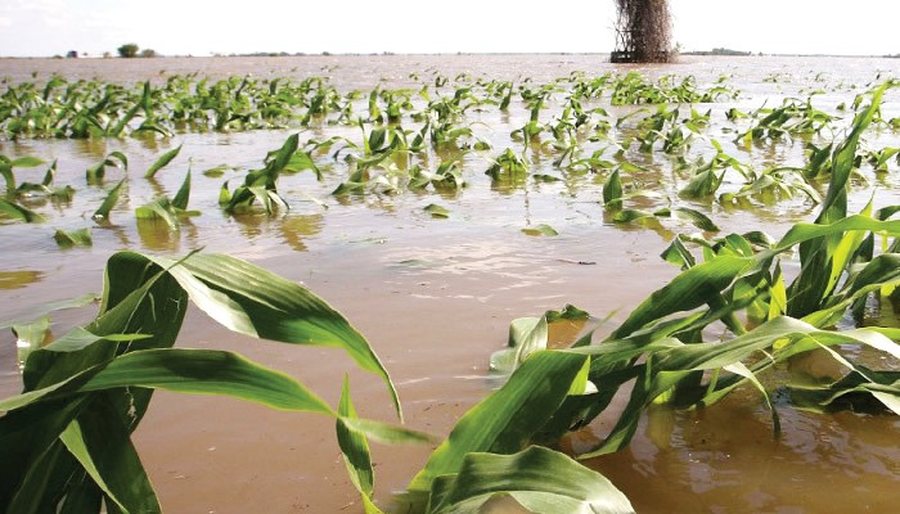
The government has included the phenomenon of flooding in the mandatory insurance scheme. However, the draft law on mandatory insurance of homes against earthquakes and floods includes the determination of a premium according to the risk map and classification of buildings, only for homes and not agricultural products.
Meanwhile, the Ministry of Agriculture is drafting a completely separate draft for insurance in agriculture, not only against the phenomenon of floods, but also focusing on other phenomena.
Referring to SCAN TV sources, the Turkish model of agricultural insurance was taken into consideration for the design of this scheme, where the state and insurance companies are part of the scheme.
Specifically, the scheme is designed in such a way that part of the premium is paid by the state and part by the farmer. The scheme will have a degressive nature, which means that the level of the premium paid by the state budget will decrease from year to year. For example, if in the first year this part will be at the level of 60%, in the second year it will decrease to 50% and so on.
The elements insured by this scheme are frost, hail, and generally atypical temperatures that bring various consequences to production, for which insurance will be mandatory.
However, it is envisaged that there will be a mapping of the country into different areas, according to the most recurring phenomena that occur in them. In other words, the insurable product will be different in different areas.
Insurance companies will be the ones who will offer the insurance package. While the state plays the main role in promoting the process, helping to generalize the scheme, and the moment the insurance scheme is generalized, the premium level begins to fall, which is to the benefit of farmers but also of the budget.
Typically, the premium for this category of insurance is set at 2-5 percent of the insured product.
For example, if there is a hailstorm and it damages about 30% of the production, the insurance company determines the compensation according to the established percentage. The 2% level is applied in cases where the risk is low and the 5% level, when the risk is high.
Mandatory insurance in agriculture is also expected to be established as a criterion for farmers who want to benefit from the support schemes applied in this sector.
Railways, in focus of French investors - AIDA presents key projects and regional cooperation
Albania is aiming to turn the railway into a key pillar of economic development and regional connectivity. In this context, a seminar on investment......
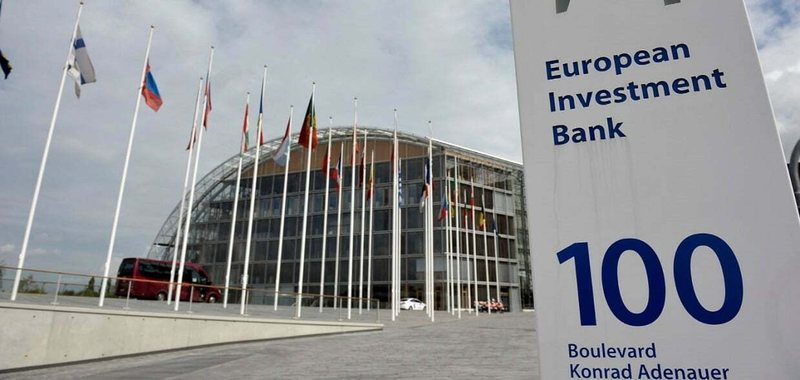
Around 830 million euros in financing for Albania - EIB, more investments in transport. Focus on the rehabilitation of railways
The European Investment Bank (EIB) has financed a total of around 830 million euros for Albania by the end of last year. According to official data from this......
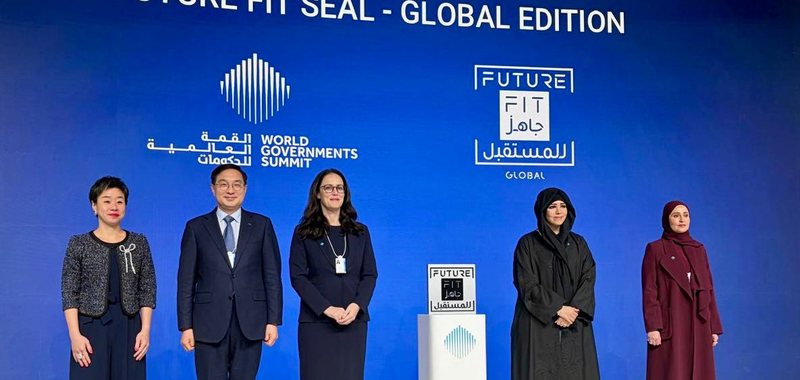
'Diella' awarded with the “Future Fit Seal” Award at the World Government Summit in the United Arab Emirates
"Diella" has been awarded the "Future Fit Seal - World Government Summit Edition", a prestigious award that honors innovative initiatives and new governance......
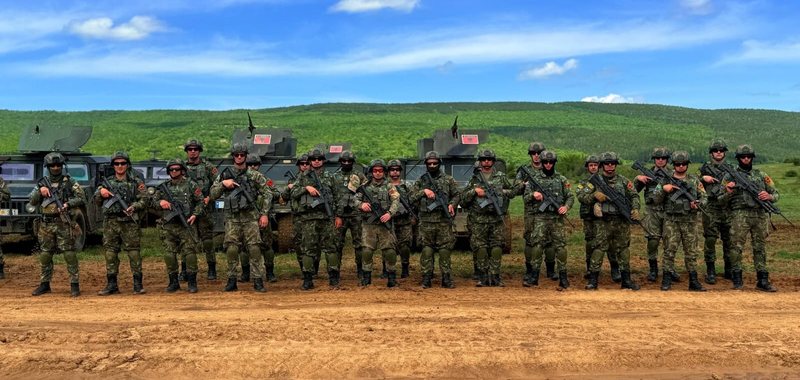
State-owned arms company creates 326 jobs - Security and confidentiality standards for personnel. How much will KAYO's revenue be?
The Albanian state-owned company for the production and trade of weapons, ammunition, military equipment and technologies, KAYO, is expected to create around......
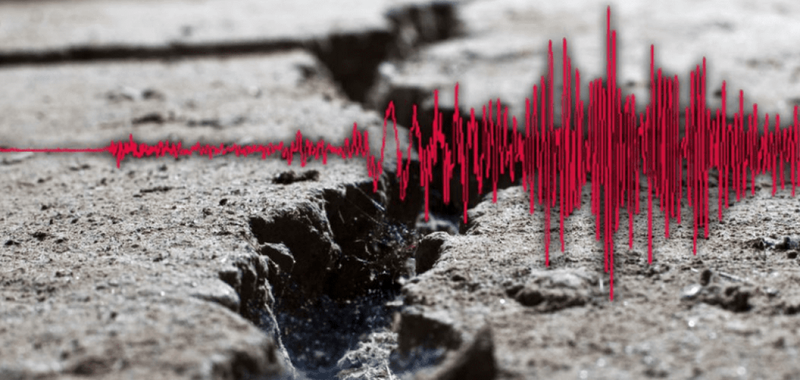
Should citizens pay the same for earthquakes? - Experts: The premium should be unified, otherwise it will cause problems in implementation
The draft law on mandatory earthquake and flood insurance, in the opinion of experts in the field, needs further improvements before being approved. Thus,......

What professions can the energy transition create in Albania? - From technicians for wind panels and turbines, to mechanics for electric cars
To achieve a just and successful climate transition, countries like Albania need to put skills development and employment at the center, including dedicated......

State material reserves take on a new role - From emergency warehouses to an instrument for market crises
The government has strengthened the legal framework for state material reserves, giving this mechanism a more active role in coping not only with natural......
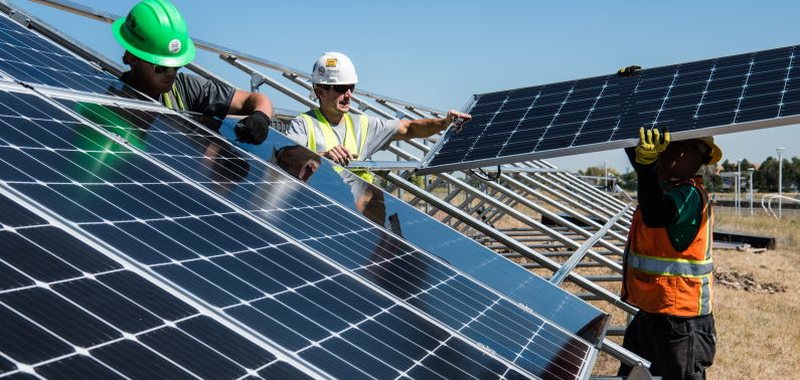
The 95 MW photovoltaic power plant in Synej-Kavajë enters the implementation phase - The government decision is published in the Official Gazette
The decision of the Council of Ministers for the construction of the photovoltaic power plant in the village of Rrakull, Synej administrative unit in the......