How did the reform change the financial capacities of municipalities? - Report/ The difference between the units deepened. Human resources, a "challenge" for services


The 2014 administrative-territorial reform is estimated to have had a strong positive impact on increasing the financial capacities of municipalities.
According to the local finance report, the local budget tripled, from 34 billion lek to 92.4 billion lek during 2015–2025.
The share of the local budget to GDP increased from 2.4% in 2015 to 3.5% in 2025.
While its own revenues from taxes and fees increased by 248%, going from 11.7 billion to around 40.9 billion lek. On the other hand, unconditional transfers doubled, increasing by 13.9 billion lek (2025 compared to 2015).
The report highlights that the reform created a much more stable fiscal base and increased the financial autonomy of local governments, although not equally among municipalities.
Thus, according to the document, investments increased, but the territorial distribution remains uneven. Investment expenditures from own resources increased from 12 billion lek to 23.2 billion lek, but only 18–20% of the total budget is used for investments in most municipalities.
The municipality of Tirana alone reaches about 40% of the budget for investments, while many small municipalities remain below 10%.
Also, revenues from local taxes and fees are higher mainly in large municipalities. Specifically, the Municipality of Tirana collects 40% of the country's own revenues (17.6 billion lekë); 47 municipalities provide only 0–1% of total local revenues, while Municipalities under 50,000 inhabitants have very low fiscal capacity (most under 1%).
As long as the fiscal capacity of small municipalities is limited, the differences between them and large municipalities have deepened.
The report highlights that dependence on central government remains high in a large number of small municipalities; the majority of small municipalities fail to generate sufficient revenues to cover basic functions and real fiscal autonomy has not yet been achieved for a large part of the territory.
On the other hand, it is concluded that public services have improved in urban areas, but have remained weak in rural areas. While large municipalities provide quality services and greater investments, rural municipalities face: lack of investments; limited human capacities; strong financial dependence on the central budget; difficulties in managing assets and territory.
Human capacities remain a challenge as small units lack specialists and weak administration, resulting in a lack of qualified staff that reduces the ability to collect revenue and provide services.
While the new division of Albania is currently being discussed, the analysis concludes that the administrative-territorial reform has brought about a significant increase in the financial capacities of local governments, increasing the budgets and revenues of municipalities. However, the reform has not fully achieved the objective of full financial autonomy, as many municipalities remain dependent on central government transfers and a large part of the budget is used for operational expenses.
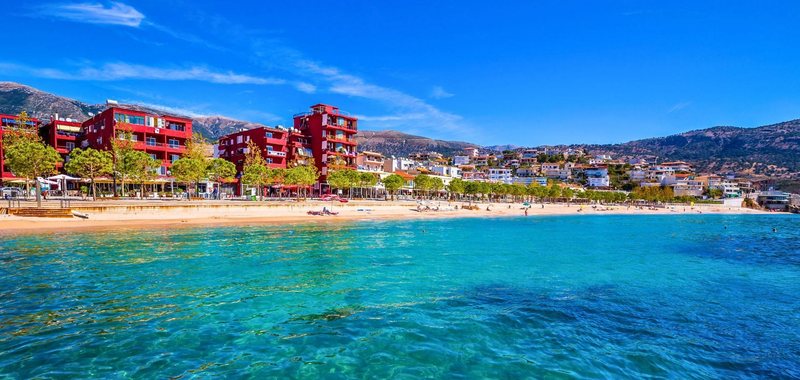
500 million lek for the Himara-Potam promenade/ The project foresees panoramic views and green spaces
The Municipality of Himara has announced the opening of the competition for the construction of the Spile-Saraçinko pedestrian walkway with a limit fund of......

Life insurance, more of an obligation than a choice - AFSA: The vast majority of premiums are related to bank and microfinance loans
Albanians only insure their lives when they are forced to. The latest data from the Financial Supervisory Authority (AMF) shows that 83% of gross written......

What happened this week in the foreign exchange market?
The US dollar has started this week in negative values and in a weak position against the local currency, as it was bought today at 78.6 lek and sold at......

Danube, record low levels in Hungary - Water transport interrupted. Fears of significant economic damage grow
A prolonged heat wave and severe drought this summer have caused the Danube River to reach record low levels in Hungary, disrupting water transport and......

US, ready for major financial offensive - Iran threatens to stop all oil exports
The US threatened Iran with what it called "the largest financial offensive ever undertaken" as the country prepared to implement economic sanctions on......
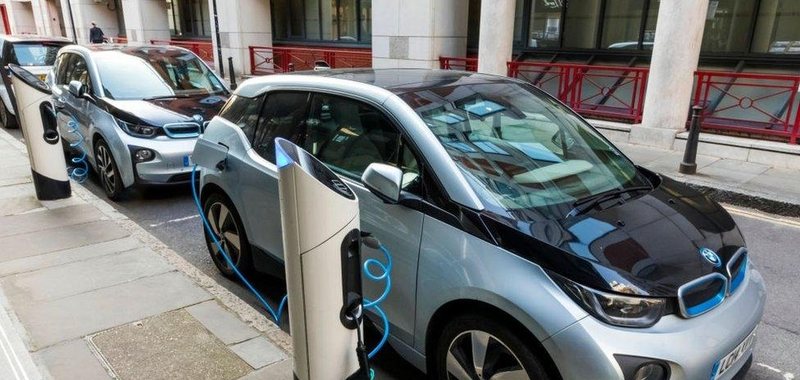
25% of cars in Europe are electric - France and Germany drove growth in July
Registrations of battery electric vehicles in Europe continued to rise in July, accounting for more than one in four new units sold. Strong growth in France......
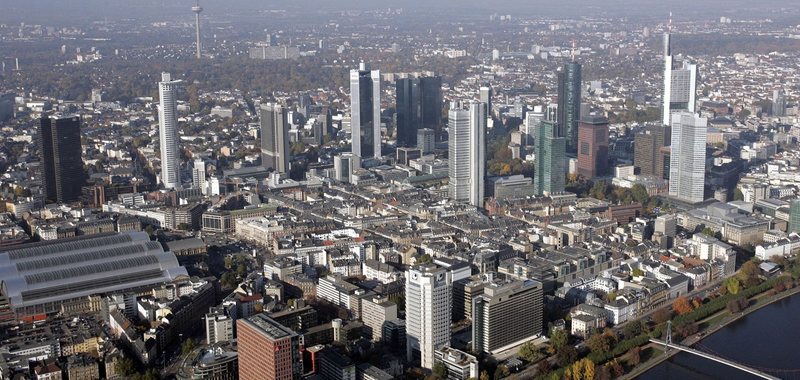
More young people without jobs and vocational training - Uncertain future prospects in Germany
Ten percent of young people aged 20 to 24 in Germany were neither employed nor in education or training in 2025, according to the Federal Statistical Office......

Foreign dairy is flooding the market/ From milk to eggs, the bill that Albania pays is at historic levels
From milk to cheese, eggs and honey, Albania's bill for imported products is at historically high levels. In July 2026 alone, imports in this category......