Danube, record low levels in Hungary - Water transport interrupted. Fears of significant economic damage grow


A prolonged heat wave and severe drought this summer have caused the Danube River to reach record low levels in Hungary, disrupting water transport and raising fears of significant economic damage as the autumn harvest approaches.
The situation has brought freight traffic on the Hungarian part of the Danube to an almost complete standstill and international tourist ships have been unable to reach the capital.
"Freight transport on the Danube has become almost impossible. In some sections of the downstream, ships can operate with minimal loads, while in the Hungarian section, most ships simply cannot pass at all. This is disrupting normal freight transport operations and logistics chains, which is a very serious problem not only for Hungary, but for the whole of Europe," said Szalma Botond, executive vice-president of the Federation of National Associations of Shipbrokers and Agents (FONASBA).
As the autumn grain harvest approaches, Hungary expects to export large volumes of wheat, corn and other agricultural products via the Danube. If cargo ships are unable to sail fully loaded - or are unable to leave port at all - logistics costs will increase, profit margins will shrink and the competitiveness of Hungarian agricultural products on international markets will suffer severely, Botond warned.
"This should be the peak sales season for agricultural goods. But unfortunately, they will be overstocked and become unsold. This means that the planned GDP growth for this year will only be hindered by the drought and the disruption of shipping on the Danube," he said.
Exacerbating the crisis, low water levels in the Danube have forced Paks, Hungary's only nuclear power plant, to partially shut down due to a lack of coolant.

US, ready for major financial offensive - Iran threatens to stop all oil exports
The US threatened Iran with what it called "the largest financial offensive ever undertaken" as the country prepared to implement economic sanctions on......
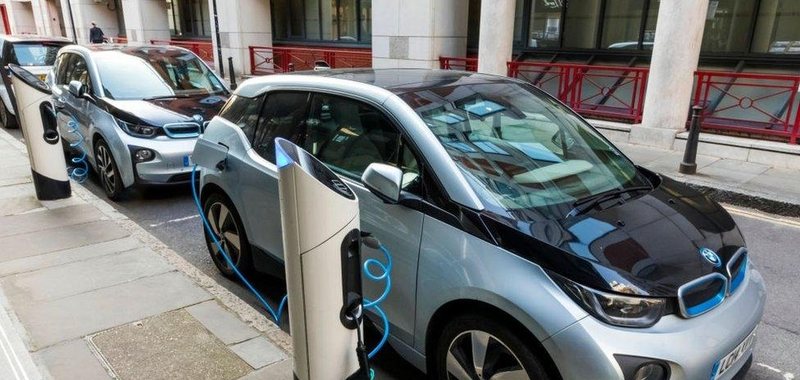
25% of cars in Europe are electric - France and Germany drove growth in July
Registrations of battery electric vehicles in Europe continued to rise in July, accounting for more than one in four new units sold. Strong growth in France......
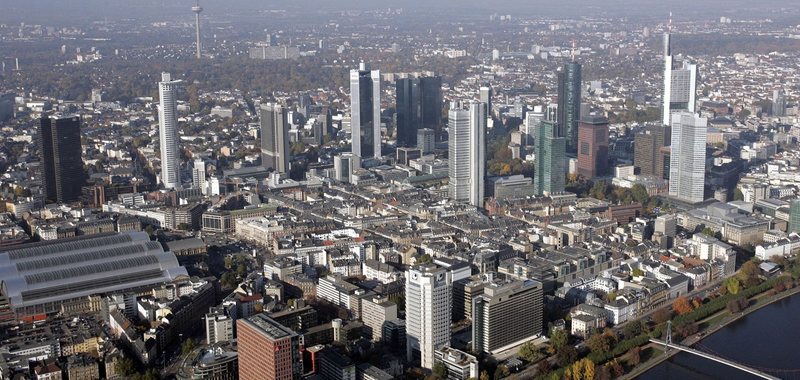
More young people without jobs and vocational training - Uncertain future prospects in Germany
Ten percent of young people aged 20 to 24 in Germany were neither employed nor in education or training in 2025, according to the Federal Statistical Office......

Foreign dairy is flooding the market/ From milk to eggs, the bill that Albania pays is at historic levels
From milk to cheese, eggs and honey, Albania's bill for imported products is at historically high levels. In July 2026 alone, imports in this category......

Albania vs Europe, where did prices increase the most? From 0.3% in Sweden to 8.2% in Romania, Albania stops at 3.4%
Price increases in Albania accelerated in July, pushing inflation above the European Union average. According to the Harmonized Index of Consumer Prices,......

"Energy reforms yield concrete results" - Karakaçi: Albania fulfills obligations for 600 MW of new capacities
Reforms in the energy sector and measures taken within the framework of the European integration process have brought concrete results during the period......

State assets under review - Objects over 70 years old, among the criteria for cultural property status
State-owned properties built or created more than 70 years ago will be subject to a verification process to determine whether they have cultural interest. A......

Interest in licenses in energy production - ERE: 22 procedures in process, led by solar power plants
The interest in investments in electricity production is also reflected in the number of applications awaiting a decision from the Energy Regulatory......