"Half-cutting excise duty on beer" - Proposal: Restore the differentiated scheme, ease for small producers

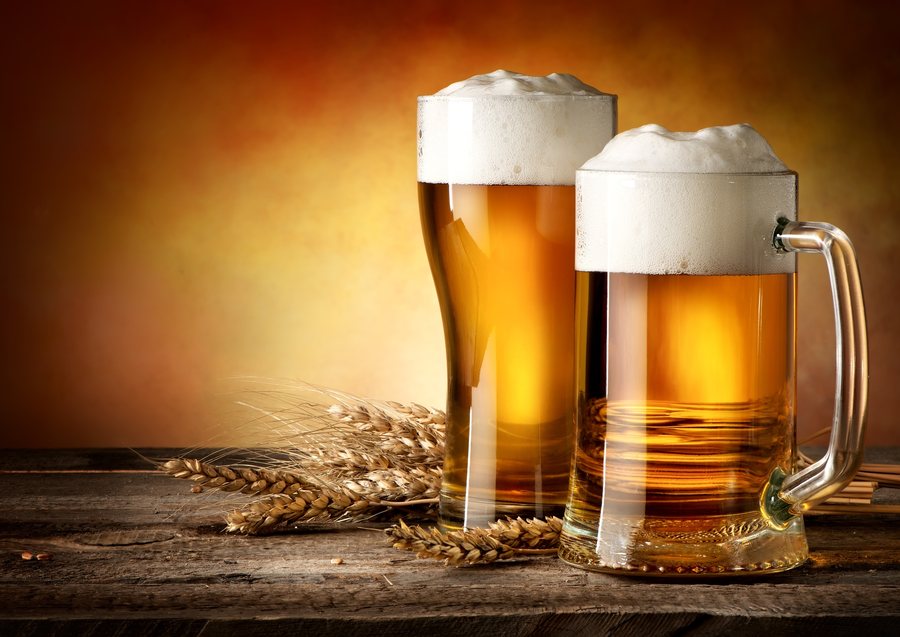
The opposition has proposed the reinstatement of the differentiated excise duty scheme for beer, with the aim of supporting small domestic producers and increasing the competitiveness of the beer industry in the country. Referring to the draft law submitted for discussion in the Parliamentary committees, proposed by MP Jorida Tabaku, for some changes to the excise duty law, the initiative is harmonized with the practices and directives of the European Union.
According to the accompanying report, the legal changes adopted at the end of 2022, which unified the beer excise tax at 710 lek per hectoliter per alcoholic strength, eliminating the taxation scheme for small producers under 200 thousand hectoliters per year, although aimed at simplifying the system and avoiding abuses, led to increased costs for small producers and a decrease in their competitiveness against imported beer. As a result, the craft beer sector has seen a slowdown in investments, despite the potential for development, employment and culinary tourism.
The new draft law provides for the establishment of two excise tax levels for beer produced from malt. For producers with a capacity of up to 200 thousand hectoliters per year, a reduced rate of 372.2 lek per hectoliter per alcoholic strength is proposed to be applied, while for producers above this threshold, the general rate of 744.4 lek will continue to apply.
The draft argues that this approach is in line with the European directive, which allows EU member states to apply reduced excise duty to small producers, taking into account higher production costs and lack of economies of scale.
According to the draft law, the return of the differentiated scheme is expected to have a positive impact on the market, strengthening domestic production, increasing product diversity, creating a fairer competitive environment and encouraging investments in technology and quality, without compromising the sustainability of fiscal revenues. This proposal also aims to contribute to the increase in employment and the formalization of the beer industry in Albania.
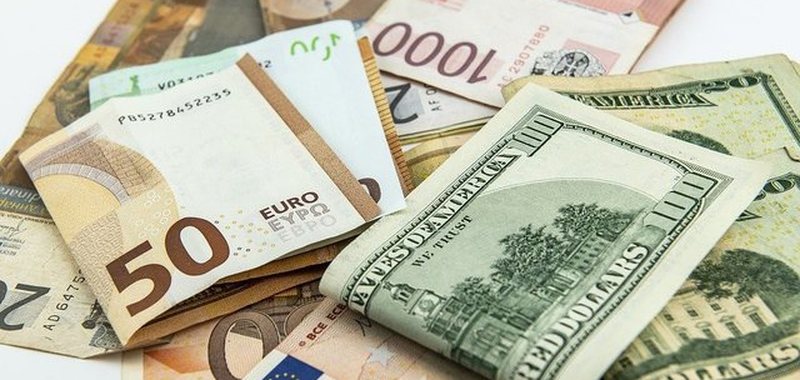
Major currencies recover – Dollar and Franc strengthen
The US dollar has recorded an increase in value today, recovering points from the continuous decline it experienced at the beginning of this week, as it was......
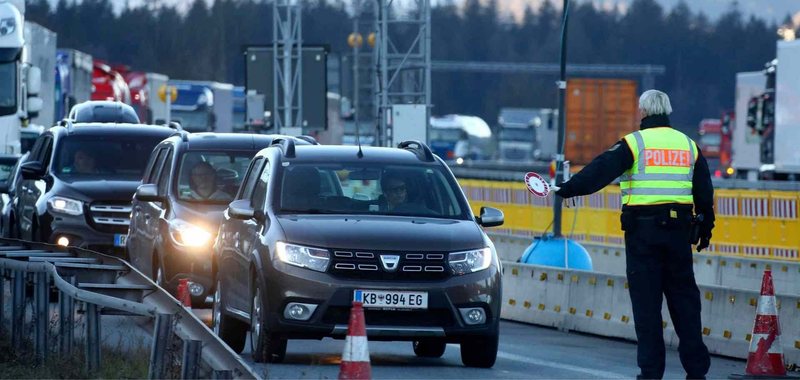
EU "softens" target for internal combustion cars - Proposes 90% emission reduction by 2035
The European Commission has proposed to relax a planned ban on cars with internal combustion engines from 2035, allowing some non-electric vehicles to......
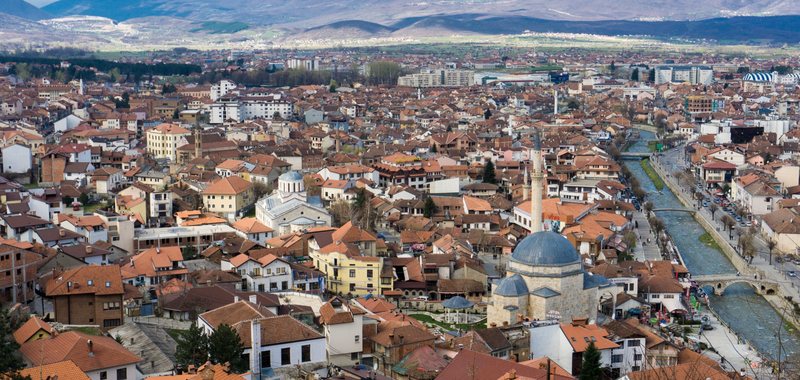
"Stop increasing prices for the end-of-year holidays" - The Competition Authority calls on businesses in Kosovo
The Kosovo Competition Authority has called on businesses to stop any unjustified price increases during the holiday season. The institution has warned of......
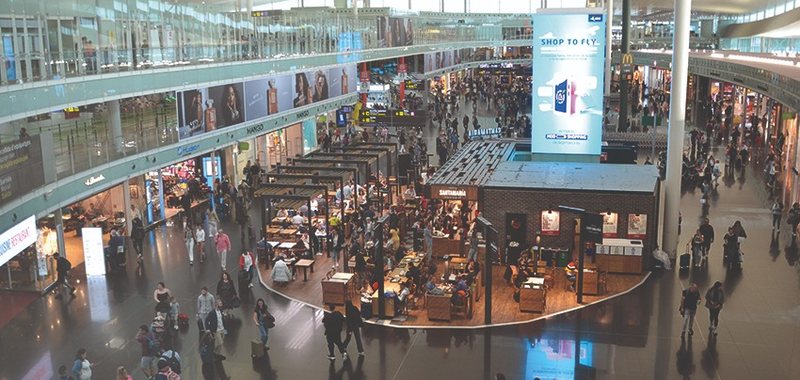
Have you planned any trips for the holiday season? - Strikes at some European airports may change your plans
If you're heading home for Christmas or planning a winter break, airport strikes could change your mind. Transport strikes have become a common part of the......

North Macedonia, remittances declining - The country ranks last in the region. Serbia leads
Last year, migrants sent 310 million euros to North Macedonia, or 2 percent of GDP. Although they are recording a surplus, remittances from foreign countries......
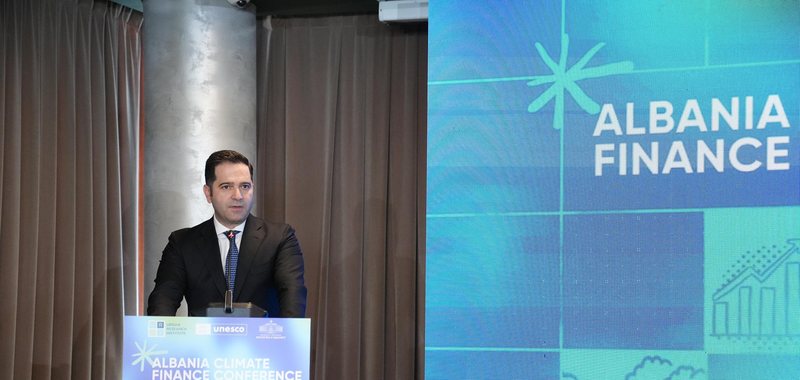
Minister Malaj participates in the National Climate Finance Conference!
The Minister of Finance, Petrit Malaj, participated today in the National Climate Finance Conference, organized by the Ministry of Environment, with the aim......
Abissnet, the internet pioneer in Albania
Abissnet, the first internet services company in Albania, has over 27 years of history and development since its founding in 1998. With a consolidated......

Which sectors are producing and selling the most? - INSTAT: Construction and public services the most active, industry in difficulty
While some manufacturing sectors are expanding activity and hiring more, others are producing less and slowing down. According to data from INSTAT, the......