Global energy crisis deepens - Efforts to fill supply gap fail

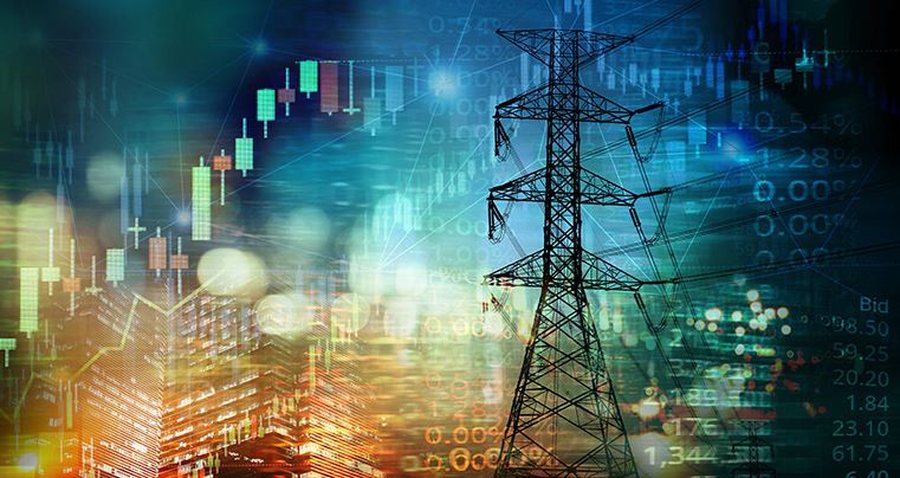
The global energy crisis is deepening, as emergency measures taken by governments around the world have failed to cover the massive shortage of oil and gas supplies caused by the US-Israeli war against Iran.
The cost of energy, fertilizers and petrochemicals is rising sharply, while the world is losing up to 20 million barrels of oil a day from Middle Eastern producers due to Iran's effective closure of the Strait of Hormuz. The impact of the reduction of a fifth of global oil and gas supplies is spreading rapidly across economies and supply chains.
United Airlines said Tuesday it may have to raise fares by up to 20%. The Philippines declared a national energy emergency. The acute energy supply shock now hitting Asia, the region most dependent on Middle Eastern supplies, will spread to Europe in April, oil executives and energy ministers said this week.
In Asia, countries are taking measures to reduce energy consumption, including implementing a four-day work week and asking citizens to limit travel and use stairs instead of elevators.
Governments around the world are releasing a record 400 million barrels of oil from strategic reserves, and the US has lifted sanctions on some Iranian and Russian oil so that refiners short on supplies can buy it.
Kuwait produced about 2.6 million barrels of oil per day before the war and has had to reduce production and halt shipments to refineries that buy Kuwaiti crude.
Saudi Arabia and the United Arab Emirates have maintained some exports flowing through pipelines that bypass the Strait of Hormuz. But these exports, as well as other emergency measures, do not come close to covering the supply disruption.
Supply shortages could hit Europe in April if the war continues, analysts say. They say the lack of preparation has exacerbated the challenges for Europe and other parts of the world.
The US is the world's largest producer of liquefied natural gas. But American producers cannot make up for the lack of supply from the Middle East because they are already at maximum production.

Europe's nuclear leaders - Which countries produce the most?
The prospect of joint US-Israeli attacks on Iran and Tehran's possible retaliation against Gulf states is at the top of the agenda in Europe, where......
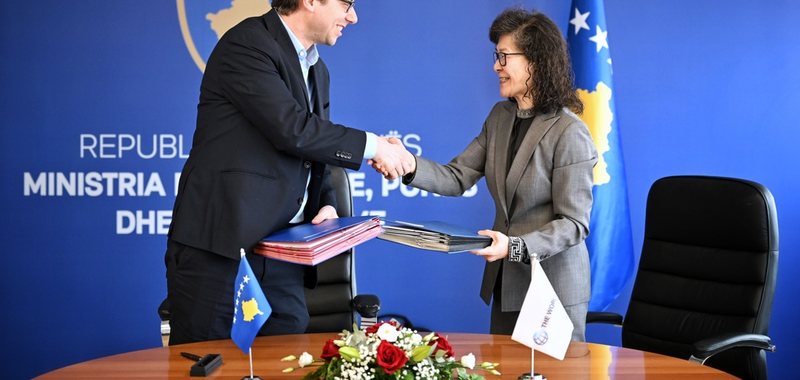
Kosovo, 96 million euros from the World Bank - Two agreements signed. Strengthening the financial sector and facilitating trade
The Ministry of Finance and the World Bank have signed two agreements worth a total of 96 million euros, aimed at strengthening the financial sector and......
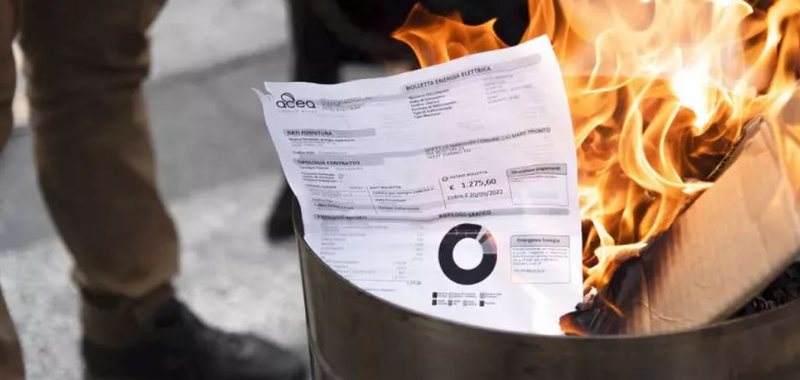
Limited fuel price increase - Croatian government: Electricity and gas will not increase until September 30
Prime Minister Andrej Plenkovic presented the 10th package of measures to help citizens and the economy, worth 450 million euros. The increase in fuel prices......
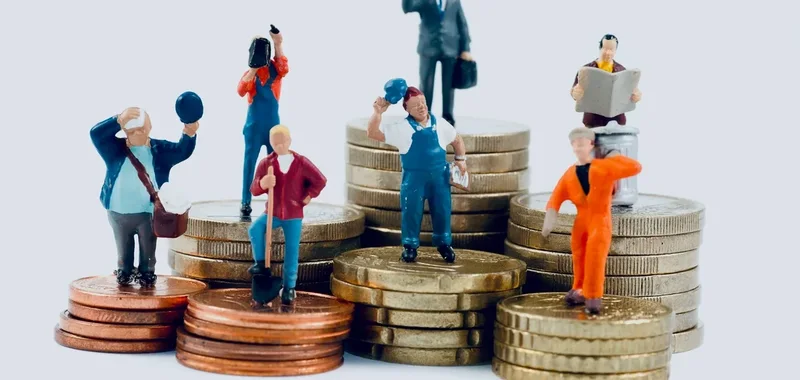
Real wages increased by 4,800 lek in 2025/ Armed forces lead among occupational groups
The average gross monthly salary in Albania increased in 2025, but not as much as official figures suggest at first glance. According to the data, the......
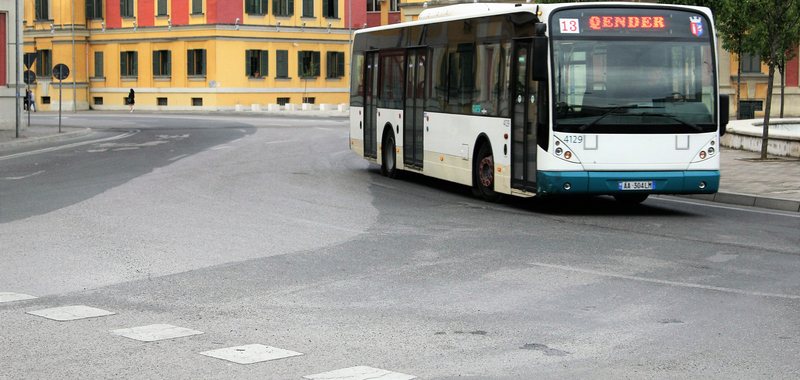
Compensation for public transport fuel - Associations bring to attention the 2022 "Resistance Package"
Restoring the support scheme used during the war crisis in Ukraine is one of the most preferred options by transport operators for coping with the increase......
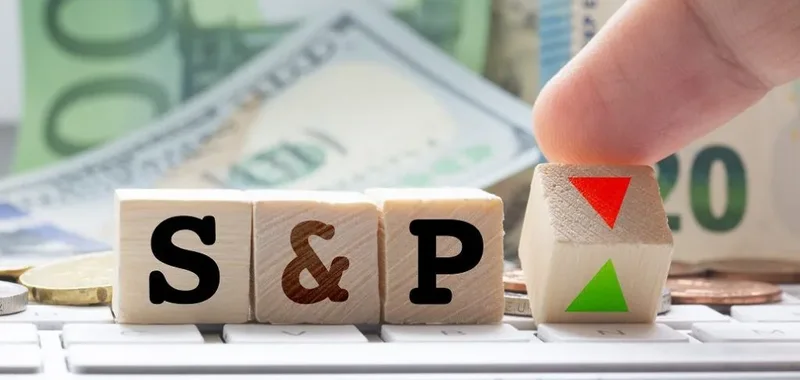
S&P reaffirms Albania's rating - At "BB" and "stable" outlook
The credit rating agency “Standard & Poor's Global Ratings”, in its analytical report published on March 23, 2026, has reaffirmed Albania's long-term sovereign......

150 thousand lek damages paid for an accident - AMF: Insurance companies compensated over 8 billion lek during 2025
When a car accident or insured loss occurs, the question that immediately arises is how much does the insurance company actually pay? According to the......

Oil price hike hits public transport - Associations: From Monday, 30% fewer urban transport. 3 demands for institutions
From Monday, the public transport bus fleet will be reduced by 30%, if there is no reaction from the institutions regarding the increase in fuel prices. In a......