Europe's nuclear leaders - Which countries produce the most?

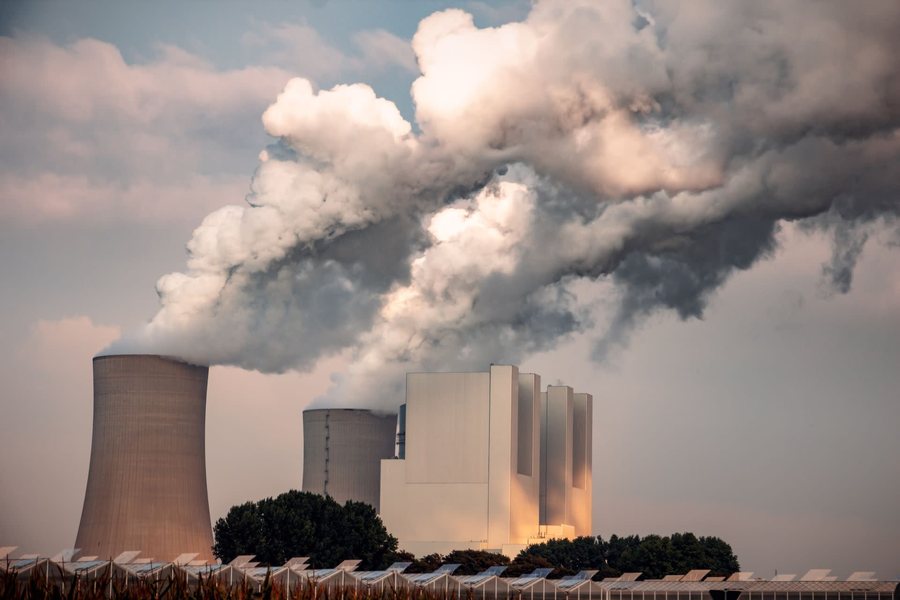
The prospect of joint US-Israeli attacks on Iran and Tehran's possible retaliation against Gulf states is at the top of the agenda in Europe, where governments are weighing the risks to energy supplies and fuel prices.
Much will depend on the energy mix. Countries with stronger investments in renewables and nuclear power may be more insulated, while those heavily dependent on natural gas face greater exposure.
So which countries produce the most nuclear energy? What is the share of nuclear energy in the overall energy mix and in electricity production?
Twelve EU countries produce nuclear power. In 2024, these countries generated 649,524 gigawatt-hours (GWh) of electricity. This was an increase of 4.8% compared to 2023. It was also the second consecutive annual increase, after a decline in 2022 (609,255 GWh).
Despite increases in the last two years, nuclear power generation has declined over time. It fell by 20% between 2014 and 2024, and by 30% between 2004 and 2024, according to Eurostat.
In 2024, the EU's energy mix consisted of five main sources. Crude oil and petroleum products had the largest share at 38%. Natural gas accounted for 21%, followed by renewable energy at 20%. Nuclear energy accounted for 12%, while solid fuels accounted for 10%.
Energy mixes vary widely across Europe. Some countries have significantly increased their use of renewable energy, while nuclear power remains the main source in others.
France leads the way in the share of nuclear energy with 40%. As of 2024, France has the largest share of nuclear energy in its energy mix, with 40.3%. Slovakia ranks second with 29.7%, followed by Sweden (25.6%) and Bulgaria (23.7%). The share of nuclear energy is also above 20% in Finland (23.4%) and Slovenia (21.7%). The Czech Republic is close to this level with 19.5%.
Hungary (16.6%), Belgium (13.2%), Spain (11.1%) and Romania (9.1%) are also nuclear power producers with significant shares, while this figure is only 1.1% in the Netherlands.
Germany has stopped producing nuclear power. According to Eurostat, 2023 was the last year it generated nuclear power, and production dropped to zero in 2024.
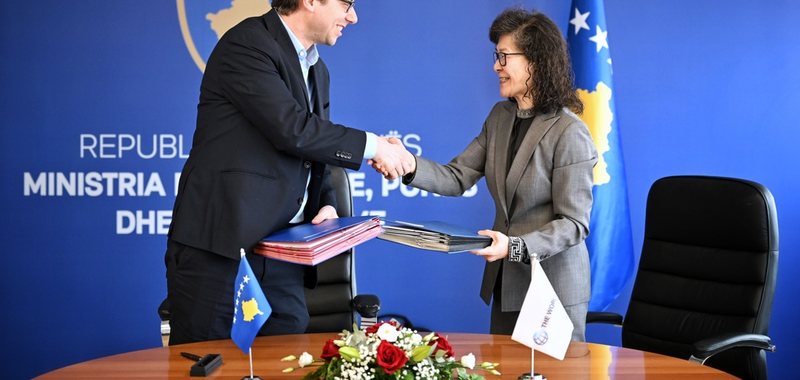
Kosovo, 96 million euros from the World Bank - Two agreements signed. Strengthening the financial sector and facilitating trade
The Ministry of Finance and the World Bank have signed two agreements worth a total of 96 million euros, aimed at strengthening the financial sector and......
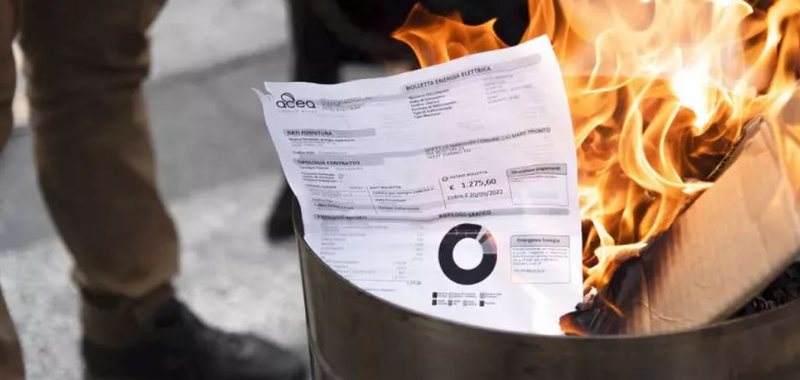
Limited fuel price increase - Croatian government: Electricity and gas will not increase until September 30
Prime Minister Andrej Plenkovic presented the 10th package of measures to help citizens and the economy, worth 450 million euros. The increase in fuel prices......
Real wages increased by 4,800 lek in 2025/ Armed forces lead among occupational groups
The average gross monthly salary in Albania increased in 2025, but not as much as official figures suggest at first glance. According to the data, the......
Compensation for public transport fuel - Associations bring to attention the 2022 "Resistance Package"
Restoring the support scheme used during the war crisis in Ukraine is one of the most preferred options by transport operators for coping with the increase......
S&P reaffirms Albania's rating - At "BB" and "stable" outlook
The credit rating agency “Standard & Poor's Global Ratings”, in its analytical report published on March 23, 2026, has reaffirmed Albania's long-term sovereign......

150 thousand lek damages paid for an accident - AMF: Insurance companies compensated over 8 billion lek during 2025
When a car accident or insured loss occurs, the question that immediately arises is how much does the insurance company actually pay? According to the......

Oil price hike hits public transport - Associations: From Monday, 30% fewer urban transport. 3 demands for institutions
From Monday, the public transport bus fleet will be reduced by 30%, if there is no reaction from the institutions regarding the increase in fuel prices. In a......

Incentives for the return of the diaspora - Expertise of Albanian emigrants, in the function of integration
The government is working to create incentives for the return of Albanian diaspora professionals, as part of measures related to the country's integration......