How has the EU's economic power changed? - Germany dominates the continent in 20 years

Germany remains the European Union's largest economy, but the weight of the bloc's major economies has changed significantly over the past two decades. According to Eurostat data, the four largest economies - Germany, France, Italy and Spain - together accounted for 61% of EU GDP in 2025, down from 67.9% in 2005.
In 2025, Germany generated 24.1% of EU GDP, or about 4.5 trillion euros out of a total economy of 18.8 trillion euros. It is followed by France with 15.9%, Italy with 12% and Spain with 9%. The Netherlands completes the top five with 6.2%.
Poland is very close to the Netherlands, with 4.9% of EU GDP, while Belgium accounts for 3.4%. Sweden and Ireland each have 3.2%, while Austria, Denmark and Romania account for 2.7%, 2.2% and 2% respectively.
At the other extreme, 15 EU countries each account for less than 2% of the bloc's GDP and together account for just 11.2% of the European economy. The smallest shares are held by Malta at 0.1%, as well as Cyprus, Latvia and Estonia at 0.2% each.
Over the period 2005–2025, Italy recorded the largest decline, going from 15.6% to 12% of EU GDP, a loss of 3.6 percentage points. France fell from 18.4% to 15.9%, while Spain and Greece each lost 0.7 percentage points. Germany's share remained almost unchanged, with a decline of only 0.1 percentage point in 20 years.
Meanwhile, Poland is the biggest winner. Its share of the EU economy increased from 2.6% in 2005 to 4.9% in 2025, or 2.3 percentage points. Ireland and Romania also recorded significant increases, by 1.4 and 1.2 percentage points, respectively. The Czech Republic grew from 1.2% to 1.8%, while Bulgaria doubled its share from 0.3% to 0.6%.
Over the years 2015–2025 alone, France lost 2 percentage points and Italy 1.5 points. Germany also fell from 25.1% to 24.1%. In contrast, Poland added 1.4 percentage points, confirming the gradual increase in the weight of its economy within the EU.
However, GDP share does not directly indicate the economic well-being of citizens. For this reason, comparisons between countries are also made through GDP per capita and purchasing power standards (PPS), which better take into account population size and changes in the cost of living.

What weight does Albania have on the global map? We are ranked 143rd, five countries hold about 40% of the world's land
On a world map, the differences between countries are much greater than they might seem at first glance. Just five countries control about 40% of the global......

Commissioner's Office expands international profile, joins Proactive Transparency Coalition
The Commissioner for the Right to Information and Personal Data Protection has officially joined the Coalition for Proactive Transparency, an international......
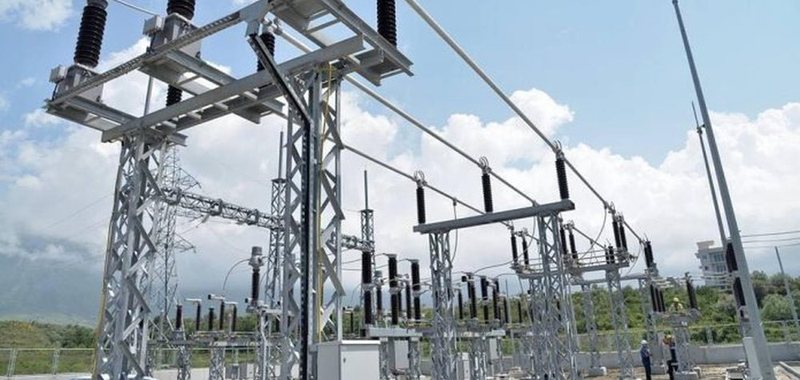
131 MW of energy licensed in 8 months - Solar dominates with 122.3 MW, no new licenses for wind farms
Around 131 MW of new electricity production capacities have been licensed by the Energy Regulatory Authority during the period January-August 2026. According......
Fewer Albanians are investing in government securities - AFSA: Individuals' investments in bonds and notes fall by 13.2%
Albanians are increasingly moving away from investing in government bonds. In the first half of 2026, individuals have shown lower interest in purchasing......
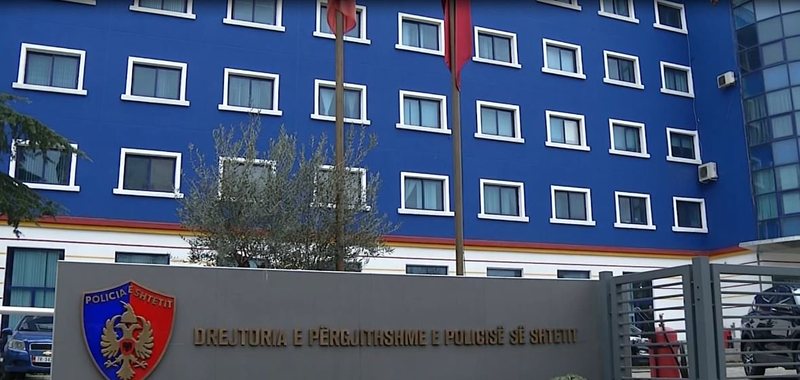
Changes in the State Police, new leaders appointed in three districts
Movement in Elbasan, Berat and Korça, some leaders transferred to the General Directorate The State Police has made changes to the management structures in......
The market needs engineers and economists - Among the unskilled, waiters are a necessity for businesses
The labor market continues to show demand for a wide range of professional profiles. Data from the National Employment and Skills Agency shows that during......
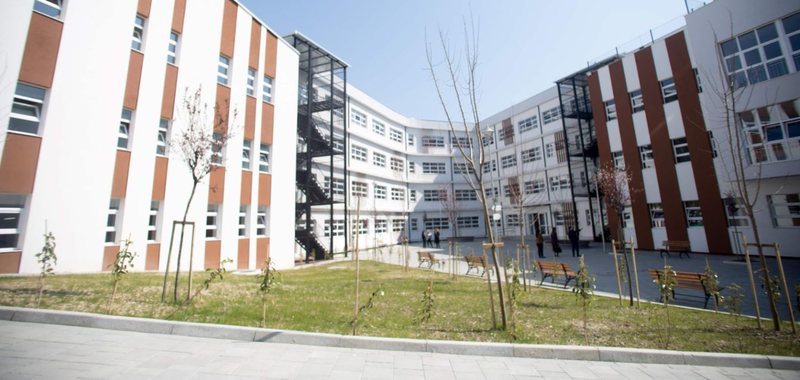
How much does the back-to-school bill cost? - Up to 27 thousand lek for the bag, stationery, clothes and shoes
A few days before the start of the new school year, parents are facing the bill for preparing their children. For the 2026–2027 school year, students in......
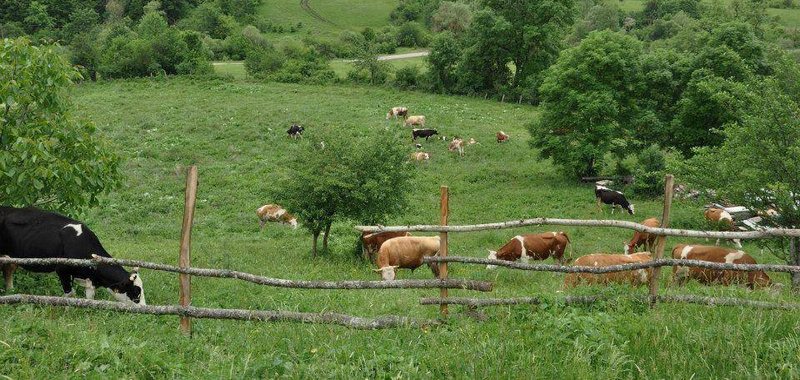
Albania paves the way for purebred breeding - Strong criteria for import and trade. Fines up to 5 thousand euros
At a time when livestock farming is experiencing a continuous decline in both milk production and head count, Albania will have a complete legal framework......