In which EU country did prices increase the most? - Last year, Romania led with 6.7%. France, the most stable market

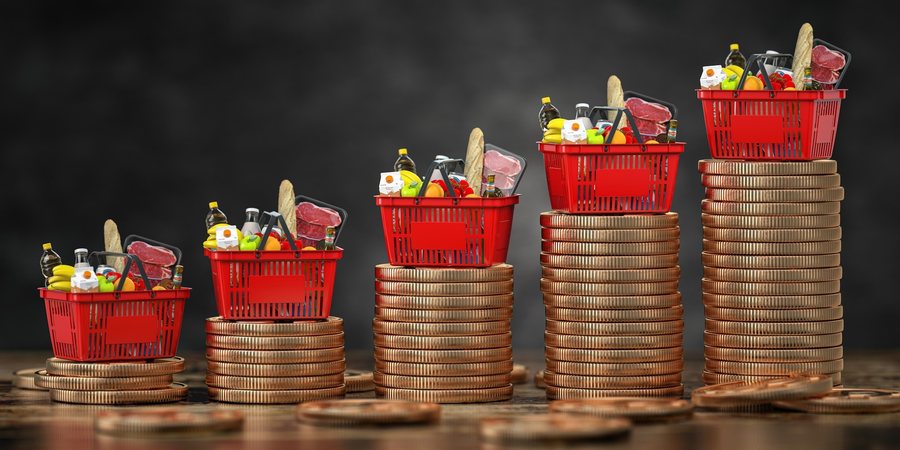
In 2025, food prices in the European Union increased by an average of 2.8%, however, the overall picture hides strong divergences from one country to another and large differentiations by product category. The increase in the cost of living did not develop at a uniform pace, confirming that the European food market remains fragmented and particularly sensitive to national and sectoral factors.
Romania topped the list of increases, with food prices rising by 6.7% in a year, more than double the European average. In contrast, France is among the most stable markets, with little change attributable to the strong role of state intervention, long-term contracts in the agri-food chain and the containment of profit margins in retail.
By product, increases were particularly noticeable in basic and "everyday" categories. Chocolates and cocoa products in general recorded an explosive growth of 17.8%, a development linked to reduced production, rising energy costs and pressures on international transport. Significant price increases were also recorded in frozen fruit and beef, products that are directly affected by both rising energy costs and changes in international demand.
On the other hand, some categories recorded spectacular declines. Olive oil recorded a price drop of 22.9%, the result of improved production in the main Mediterranean countries and the partial restoration of market balance after the extreme price increases of previous years. Sugar also followed a downward trend, reflecting the stabilization of global production and the reduction of pressures on raw materials.
The overall picture shows that, despite the relative slowdown in food inflation at the European level, consumers continue to experience strong variations both geographically and by product. These developments highlight the crucial role of agricultural production, energy policy and international markets in price formation, but also the need for targeted interventions in countries where the cost of basic food items is rising at rates that exceed household means.
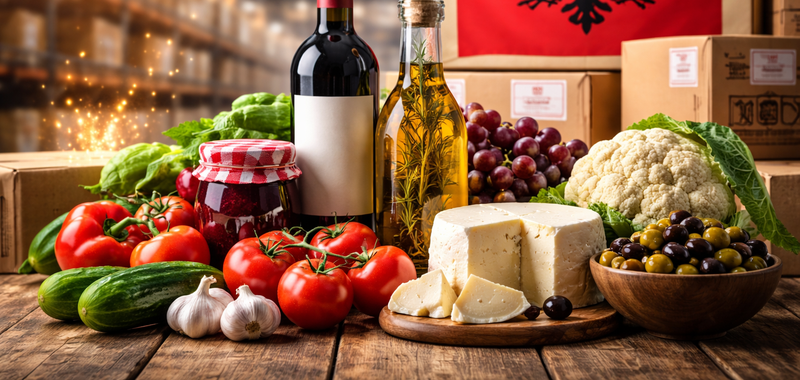
"Made in Albania" foods in foreign markets/ Strong decline in meat and vegetables, but double-digit growth in food processing
Food exports in January 2026 contributed 0.3 percentage points to the total 4.5% decline in exports. Analysis by chapters shows that the hardest hit came......
Albania's transfers in euros, today 95% cheaper! - Before SEPA, cross-border payment costs were up to 17 times higher than in the EU
Albania's SEPA membership has brought a significant transformation in the costs of cross-border transfers in euros, bringing them closer to European Union......
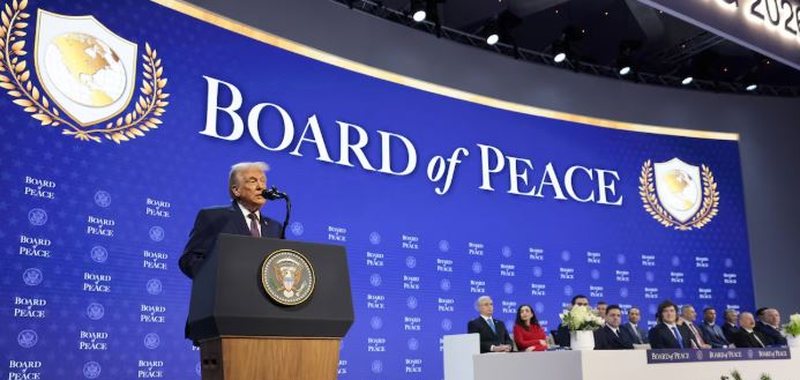
Today, the inaugural meeting of the Peace Board - Prime Minister Rama, in the US to sign the membership agreement
US President Donald Trump will chair the first meeting of the Peace Board today. Delegations from 47 countries plus the European Union are expected to attend......
Energy deposits, KESH cooperation with the French - In focus, the development of storage capacities. Integration into existing infrastructure
The Albanian Electricity Corporation has signed a partnership agreement with Électricité de France and the French Development Agency for advanced cooperation......
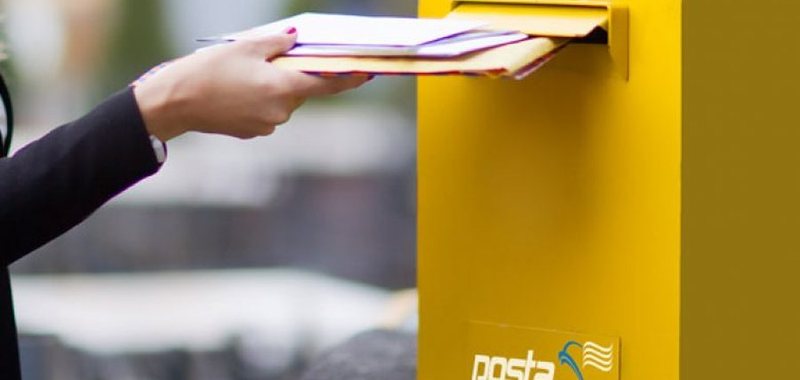
How much does postal service cost? Albania among the countries with affordable tariffs in Europe
Postal costs vary from country to country, depending on the weight, distance or type of shipment. However, if we consider a standard item, such as a regular......
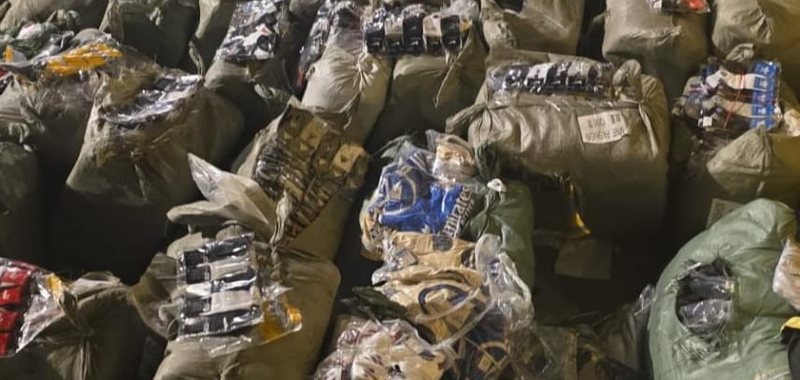
103 thousand pairs of clothing suspected of being counterfeit goods are blocked at Durres Customs
The Anti-Smuggling Directorate announces that in cooperation with the Durrës Customs Branch, today it has blocked a quantity of 103,000 pairs of various......
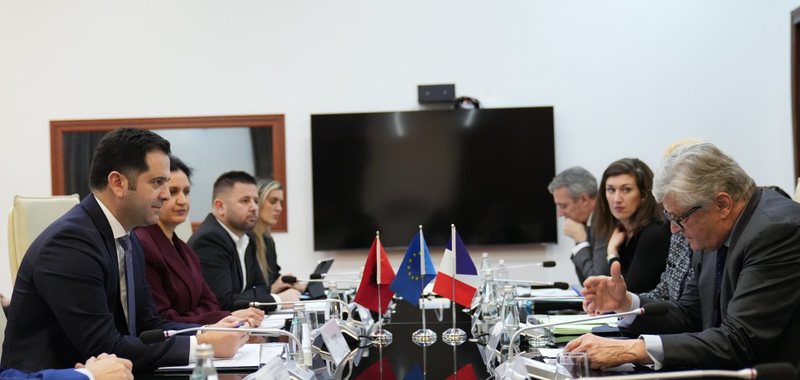
France-Albania/ Minister Malaj invites French investors to invest in priority sectors of the economy
The Minister of Finance, Petrit Malaj, held an official meeting with the Minister Delegate for Foreign Trade and Economic Attractiveness of the French......

How will large companies be acquired in Albania? - Increased protection for small shareholders. New rules guarantee price parity
The rules for how publicly listed companies, meaning those companies that have shares open to the public, are acquired, will change. The government has......