Albanian businesses, difficulties in accessing finance - OECD Report: Create a Private Credit Bureau. Development Bank, a positive step

Access to finance for small and medium-sized businesses remains one of the most challenging aspects of the Albanian economy, despite slight improvements in recent years. According to the OECD SME Policy Index 2026, Albania is rated 3.13 points for the access to finance dimension, a slight increase compared to the previous rating of 3.05 points, but still below the average of the Western Balkan countries and Turkey, which is 3.21 points.
The report assesses that the improvement has been supported by the development of the microfinance sector, the expansion of instruments such as leasing and factoring, as well as steps to strengthen financial education and financing alternatives for businesses. However, bank lending continues to be hampered by structural weaknesses, particularly in collateral registration and the credit information system.
In the bank financing sub-dimension, Albania has suffered a decline from 3.70 points in 2022 to 3.20 points in 2026. According to the OECD, this is related to the lack of a complete framework for credit information, as well as the discontinuation of temporary sovereign guarantee schemes that were created during the pandemic to facilitate business financing.
The report highlights that the Bank of Albania’s Credit Registry does not include data from service companies or retailers, while a legal basis for the creation of a private credit information bureau is still lacking. Also, the registration of movable assets, especially in the agricultural sector, remains problematic, limiting the ability of businesses to use assets as collateral.
Another factor that has influenced the result is the discontinuation of major financial support programs for SMEs. The share of loans to small and medium-sized businesses in total bank loans has fallen from 29.9% in 2019 to 26.9% in 2024, a level that remains significantly below the regional average of 35.5%.
However, the OECD welcomes the adoption of the law on the Albanian Development Bank, which lays the groundwork for the establishment of a permanent institution that can facilitate long-term financing for businesses. The report also recommends strengthening the legal framework for collateral security, establishing a private credit bureau, and expanding sustainable financial support instruments for small and medium-sized enterprises.

New rules for drivers - Effective from August 5th/ Anyone caught drunk driving twice loses their license
Drivers must comply with the new traffic rules, otherwise they will face stricter measures. The amendments to the Road Code, which enter into force on August......

"Bus tickets no more expensive than 2 pounds" - Burnham: Decision, about 500 million pounds less in the English budget
The fare for a single bus journey across England will be capped at £2 from January next year, Prime Minister Andy Burnham has announced, as he continues to......
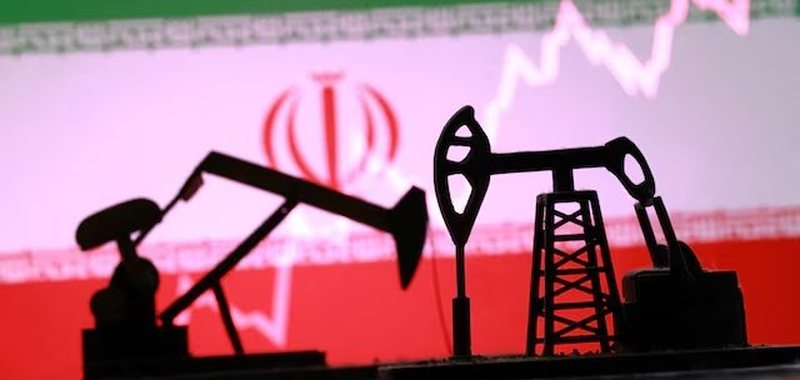
Oil prices rise for fifth day in a row - Threats of blockade in the Red Sea and Hormuz affect
Oil prices rose for a fifth straight day on Thursday, due to growing concerns about supply availability amid attacks on tankers in the Red Sea by Yemen's......
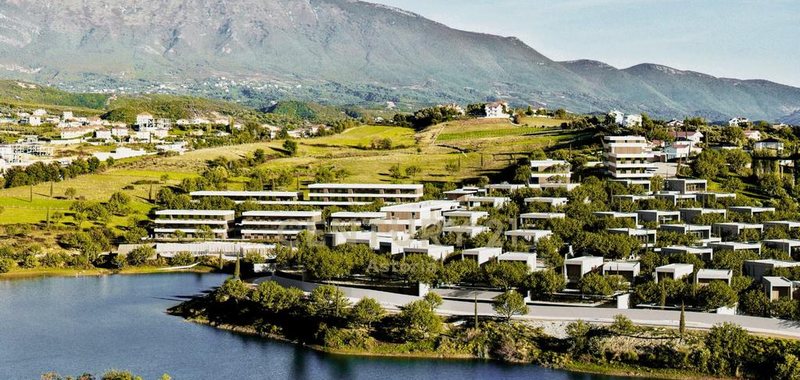
How much does an Airbnb cost in the suburbs of Tirana? Investments in villas have increased demand, Bërzhita is the most expensive
In addition to the center of Tirana, which continues to be the main point of interest for tourists, in recent years the capital's suburban areas have also......
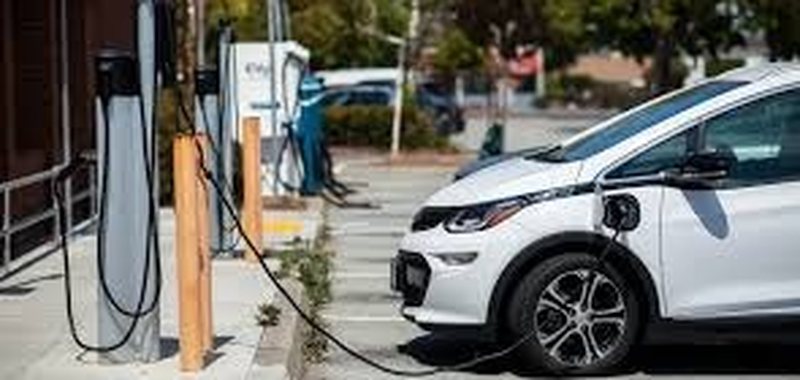
Electric cars are gaining ground in Europe - Strong consumer demand is recorded
New car registrations in the EU have increased by 5.7% since the start of the year, with a strong performance in June contributing to a positive first half of......

Europe is drying up from heat, not lack of rainfall - Scientists: Agriculture, water transport and energy production are being hit
Scientists say droughts in Europe are increasingly being caused by scorching heat rather than a lack of rain, with soil moisture disappearing much faster.......

The cost of the EU pay gap - Women earn 3,900 euros less per year than men
The gender pay gap in the EU is real and, according to the figures, costly. Women's gross hourly earnings are on average 11.1% less than men's, according to......

Rules for digital platforms are tightened - From deceptive advertising to account blocking. The draft law imposes new obligations
Albania will introduce new rules for online platforms, increasing user protection and obligations for companies offering digital services. This is what the......