Europeans, cash payments - ECB survey of 8,205 companies in 21 eurozone countries

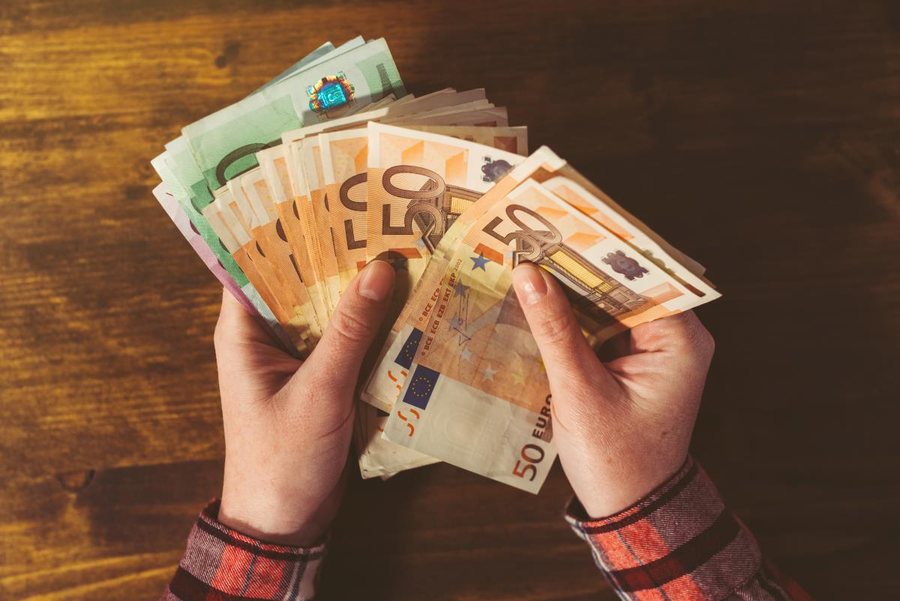
Cash acceptance has returned to the eurozone after a decline caused by lockdowns and business and travel restrictions imposed by governments during the Covid pandemic. Today, cash remains the most widely accepted payment method at points of sale. Meanwhile, the acceptance of mobile payments has increased significantly, according to a survey conducted by the ECB.
According to the survey, 92% of businesses that sell goods or services in physical premises, including restaurants, cafes, hotels and various entertainment businesses, accept cash. In 2024, the same indicator was 2 percentage points lower, at 90%, and the recovery "suggests that cash acceptance has returned after the decline observed" during the Covid years, the ECB said in a statement.
Acceptance of payment cards remained essentially stable at 88% between 2024 and 2026, while acceptance of payments using noble systems increased from 36% to 68%.
Additionally, one in four businesses (25%) reported taking steps to promote digital payments, including cashless payments and/or reducing the number of cash registers. Thirteen percent of businesses have introduced self-service cash registers.
When deciding which payment methods to accept, businesses typically cite customer preference, security, and simplicity as the top factors they consider. Businesses also cite privacy and reliability as key advantages of accepting cash over digital payments.
The survey, the ECB specifies, included 8,205 companies in all 21 eurozone countries, with interviews conducted between February and April.

Kosovo, 60 million euros in tax evasion in 6 months - Problems, construction, wholesale trade, hospitality and some services
In the first half of 2026, the Kosovo Tax Administration carried out around 1,015 audits, where around 60 million euros in tax evasion were identified. Among......
How the sun is changing Albania's energy map - Installed energy production capacities increased by 34% in four years
Albania's energy map has been changing rapidly in recent years. In just over four years, the country has added about 883 MW of generating capacity, but the......

Is credit getting cheaper? - BoA: Falling interest rates favor businesses, while individuals face higher costs
The cost of obtaining a loan has eased slightly during the second quarter of the year. Bank of Albania data shows that interest rates have fallen in most......

Albania, towards the opening of a new financial market - In September, the first draft for the National Green Taxonomy
Albania is laying the foundations for a new green financing market, at a time when climate change is becoming not only an environmental problem, but also a......
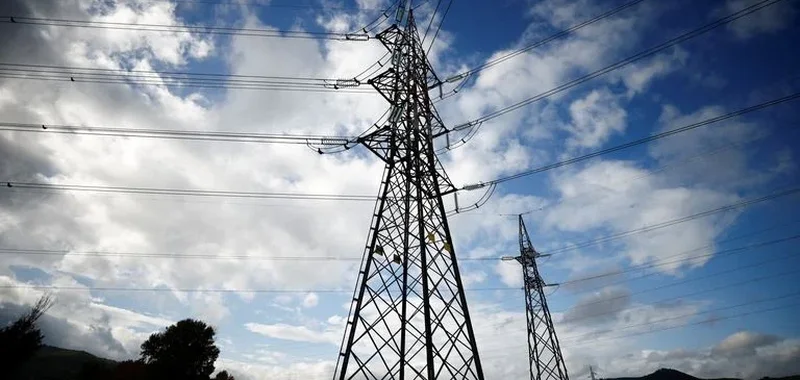
Over 1.6 billion lek for urban regeneration of housing in 12 regions - ADF opens the competition, aiming to increase energy efficiency and improve conditions
The Albanian Development Fund has announced the opening of the competition for the project "Urban Regeneration of Housing Stock, Phase IV", which envisages......

The strengthening of the lek "softened" inflation from abroad - Themeli: The Bank of Albania expects a slight increase in prices in the coming months
The exchange rate, i.e. the strengthening of the lek and the depreciation of the euro, have made it possible for the increase in prices abroad to not be......
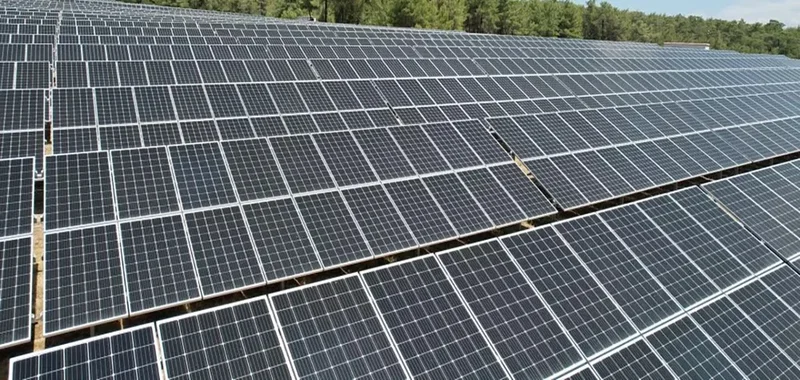
Two large photovoltaic parks in Albania - ERE initiates procedures for 120 MW in Lushnja and Devoll
Two new photovoltaic projects, with a combined capacity of 120 MW, have advanced in regulatory procedures for electricity production in Albania. At its last......

Loans over 5 years "conquer" the portfolio/ Gain ground in the second quarter. Vlora leads with the largest weight
Loans with a maturity of over 5 years are accounting for the largest share of the loan portfolio in Albania. At the end of the second quarter of 2026, they......