Bulgaria, at a crossroads before the euro - Citizens are divided in their opinions

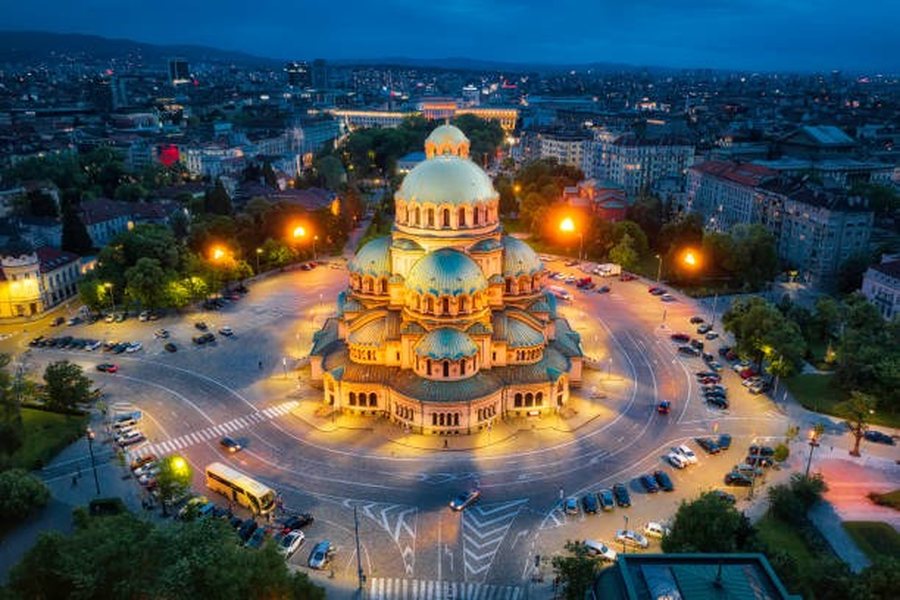
Bulgaria finds itself at a crossroads as the country prepares to adopt the euro, amidst a political crisis, with public opinion sharply divided between the hope for easier integration with Europe and the fear of losing part of its national identity.
On the streets and in the shops of Sofia, the transition is already visible. Prices for everyday goods, from fruit in supermarkets to bottles of wine, are displayed in both Bulgarian leva and euros.
For some, the change represents convenience and progress, such as Veselina Apostovlova, a pensioner from Sofia, who said she was happy that the euro can be used across the EU. "Not only the elderly, but also all young people can travel easily using the euro instead of having to exchange currency," she said.
This sentiment finds echoes in the business community, where Natalia Gadjeva, owner of the Dragomir Estate winery, sees the common currency as a practical step forward.
“This would make business easier for a large part of companies operating in Bulgaria,” she said, adding that the benefit of eliminating currency conversions and improving trade would make operating in the euro zone much easier for them.
However, the move has also sparked fierce opposition. Protesters have taken to the streets, waving Bulgarian flags and holding banners with the euro symbol removed and messages such as: "What do we need the euro for if we lose Bulgaria?"
For opponents like pensioner Emil Ivanov, the issue is deeply personal: "I am against it, firstly because the lev is our national currency," he said. "Secondly, Europe is heading towards destruction, which even the US president (Donald Trump) mentioned in his new national security strategy.
Experts point to practical challenges that are fueling some of the resistance. They criticize the "weak" awareness campaign, noting that people living in remote areas may not be prepared for the change and are vulnerable to misinformation.
Bulgaria has been trying for years to join the common currency, but its accession date has been postponed in part because it failed to meet several vital criteria, particularly inflation.
This time the country met the inflation criterion, as the 12-month rate was 2.7% in April, slightly below the reference value of 2.8%.
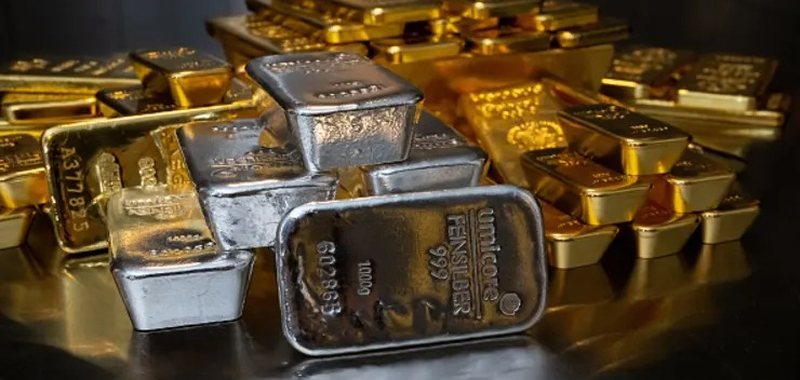
Gold and silver, record levels - Driven by geopolitical tensions, expectations for interest rate cuts in the US
Gold hit a record high on Tuesday, coming within striking distance of the key $4,500 an ounce level, as investors flocked to the safe-haven metal amid......

Italy fines Apple 98 million euros for App Store tracking policy
The Italian competition authority has fined Apple 98 million euros for exploiting its "position of absolute dominance" through the App Store, accusing the......

Energy cuts affect businesses - Kosovo Chamber of Commerce expresses concern
The Kosovo Chamber of Commerce and Industry (KCCI) has expressed its deep concern about the severe electricity cuts being applied almost throughout the......
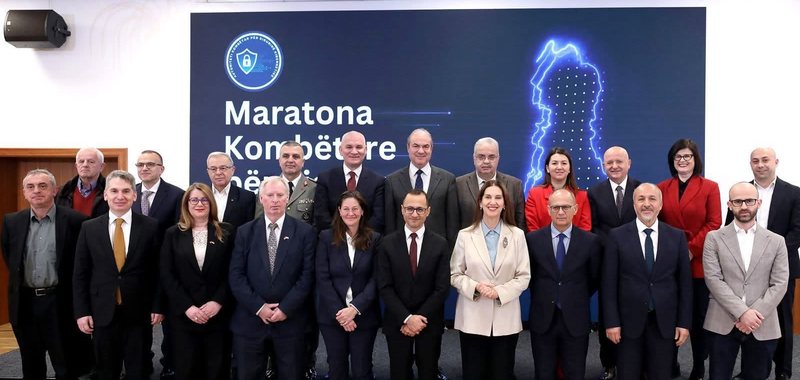
Siguria digjitale e të rinjve, Rama prezanton Maratonën e Sigurisë Kibernetike
Kryeministri Edi Rama ka ndarë në rrjetet sociale një postim në lidhje me Maratonën e Sigurisë Kibernetike. Ai theksoi se kjo është një nismë e rëndësishme për......

“Albanians have confidence in banks!” RCC: We are ranked among the countries with the highest trust. Serbia, skeptical
Despite perceptions about Albanians' relationships with banks, recent Balkan Barometer data provides an interesting picture. Albania appears to display a......

Waste fees, according to the amount we throw away - The "Pay as you throw" principle will be applied to families and businesses
The National Waste Prevention Program foresees the implementation of the "Pay as You Throw" (PAYT) principle, which provides economic incentives for waste......

Albanian SMEs heading to foreign markets, what are they missing? - Sefa: Programs exist, but support remains insufficient
The internationalization of small and medium-sized businesses remains one of the main challenges of the Albanian economy, while institutional support is......

Customs, 24-hour service during the year-end holidays - Queues at border points are avoided for citizens and businesses
The end-of-year holidays are often accompanied by long lines at border crossings, due to emigrants choosing to celebrate this period with their families in......