EU, 27% of GDP on social welfare - Which European countries spend the most on this sector?


All European Union countries increased social welfare spending in 2024, with an expansion of almost 7%, bringing the total budget to almost 5 billion euros.
Compared to their GDP, average spending on social benefits amounted to around 27% across the bloc, but rates vary from country to country.
According to Eurostat data, Finland, France and Austria are the most “generous” EU members, each spending around 32% of GDP on social benefits.
Ireland, on the other hand, ranks last with just 12%, less than non-EU countries such as Bosnia and Herzegovina (20%) and Serbia (18%). Experts explain the reasons behind this, including the country's demographics. Irish society is still relatively young compared to other economies, so spending on pensions, long-term care and healthcare is lower. However, Ireland is not the smallest spender on all social benefits: it ranks second in the EU for social housing costs, proportionally to GDP.
Overall, the largest share of the EU's social budget goes to pensions, worth €2 trillion. Spending on illness and healthcare comes in second at almost €1.5 trillion, followed by measures for families and children at €0.4 trillion and support for people with disabilities (€0.3 trillion).
In terms of pensions, the top three countries are Austria (14.7%), Italy (14.6%) and Finland (14.5%). When it comes to healthcare, Germany invests the most (9.9%), followed by France and the Netherlands (9.5%).
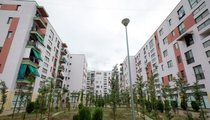
Finland also ranks first in housing support (0.99% of GDP), ahead of Ireland and Germany. In a Eurobarometer survey, the lack of affordable housing emerged as the most “urgent” problem in the EU, highlighted by 40% of respondents.
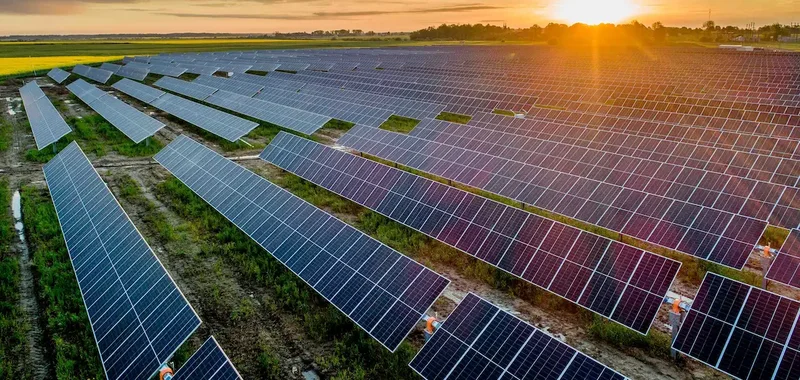
Solar plant in Belsh - EBRD prepares tender for 40 million euro project
The European Bank for Reconstruction and Development has prepared the tender for the construction of the solar power plant in Belsh, a project of the......
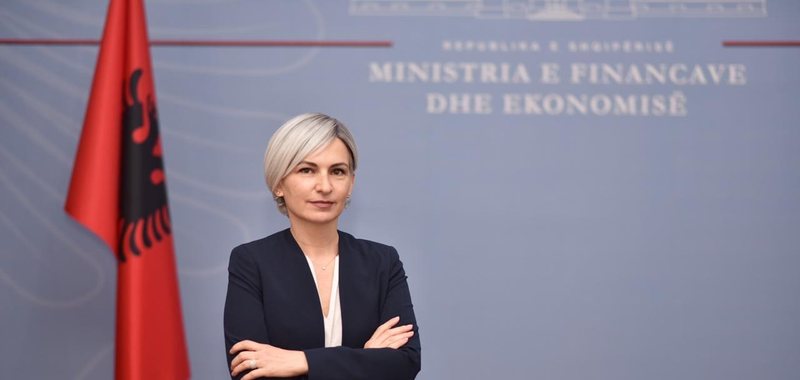
"Expansion of the insurance market and the capital market" - Candidate for the leadership of the AFSA, Adela Xhemali presents the platform
Former Deputy Minister of Finance, Adela Xhemali, is the candidate proposed by the Council of Ministers to head the Financial Supervisory Authority for the......

Germans, more "hands-off" for Christmas - Survey: Citizens will spend less on holiday gifts
German consumers plan to spend less money on gifts this Christmas, although expectations for the festive season remain high. According to a new survey by......
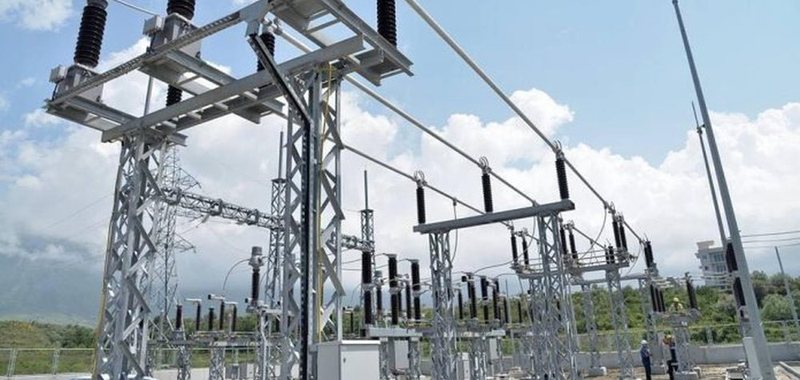
"Emergency" energy supply - ERE opens the competition for the Supplier of Last Resort: Importance, as the free market is expanding
The Energy Regulatory Authority has officially opened the procedure for the selection of the Supplier of Last Resort, known as FMF, an essential service for......
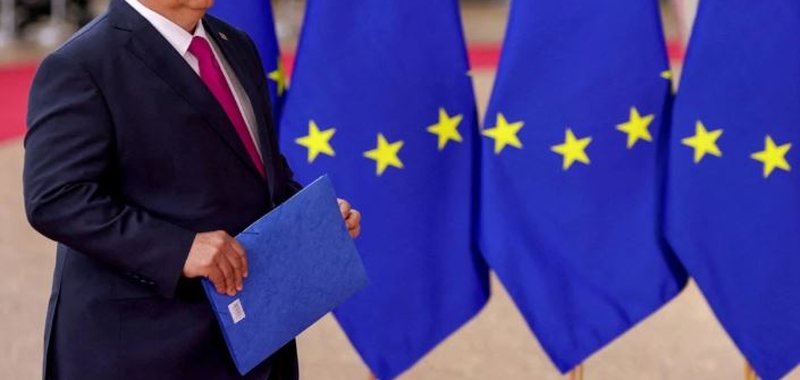
Hungary, tax cuts for small businesses - Prime Minister Orban presents package worth $272 million
Hungary has unveiled a tax relief package for small businesses worth up to $272 million. The package will be financed by a tax increase on banks ahead of......

Albania’s import map shifts: China surges, Turkey drops
The latest data on the structure of imports show that the weight of Albania's main partners has undergone significant movements during the period......

International Workshop on Criminal Investigations, Xhaja: AAPSK, progress in the good management of criminal assets
The Seized and Confiscated Assets Administration Agency (AAPSK) participates in the three-day workshop "Tax Inspectors without Borders - Criminal......
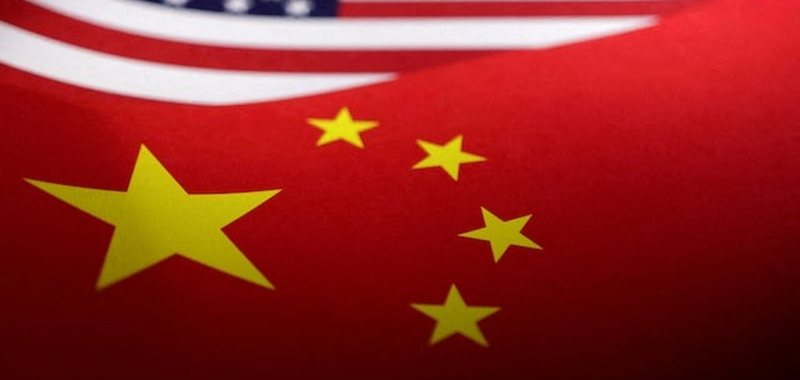
China "finances" the US - Why has Washington received 200 billion USD in loans from Chinese state-owned banks?
For years, Washington has warned other countries not to trust loans from Chinese state-owned banks, which have helped China rise to superpower status. But a......