"Global food prices could rise" - Study, Iran conflict is disrupting the fertilizer supply chain

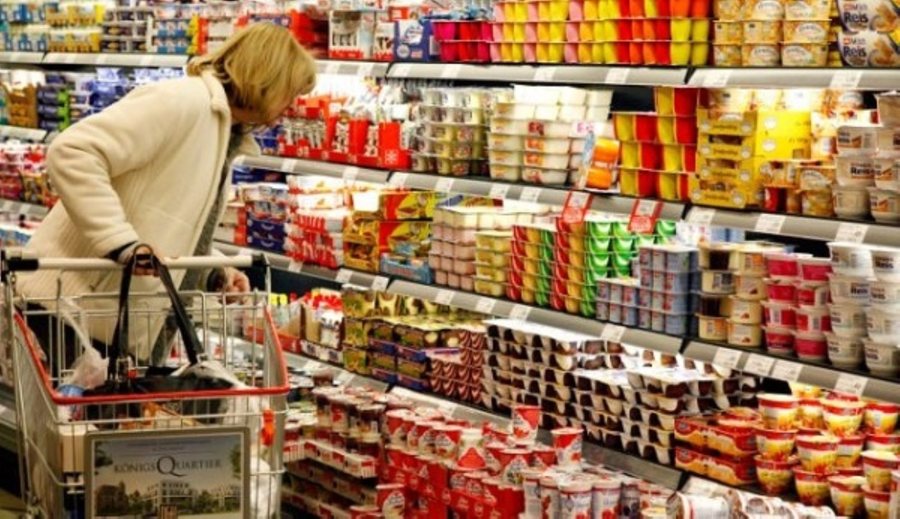
The war in Iran could push up global food prices as the conflict disrupts shipments of chemical fertilizers through one of the world's most critical trade routes. While energy markets have focused on oil supply risks, analysts say threats to chemical fertilizer supply chains through the Strait of Hormuz could also cause long-term economic problems through food inflation.
"Beyond energy, another risk that is receiving less attention is the potential negative effect on food prices, as fertilizer shortages increase agricultural costs," a study by Wolfe Research highlighted.
The study estimates that this situation could increase “food at home” inflation by about 2 percentage points, adding about 0.15 percentage points to overall U.S. inflation, in addition to the roughly 0.40 percentage point increase from energy. These potential price increases come at a time when U.S. consumers are facing a sustained period of higher prices for food, housing, and energy.
More than a third of the chemical fertilizers traded globally pass through the Strait of Hormuz, making it a critical artery for agricultural supply chains. Trade traffic through the route has largely ground to a halt since the war began late last month, disrupting shipments just as farmers across the Northern Hemisphere prepare fields for spring planting.
Timing is critical because fertilizers are applied early in the crop cycle and help determine yields later in the year. Between the weeks ending February 27 and March 6, which include the start of the war, the price per short ton of U.S. urea fertilizer imports rose 30%.
Nitrogen-based urea — widely used to increase crop yields — is one of the most widely traded chemical fertilizers circulating in the region.
The US relies on global fertilizer markets, importing approximately 20% of its total usage, although nitrogen fertilizers such as urea come from a wider group of suppliers, including Canada, Trinidad and Tobago, Russia, and other countries.
The impact could extend across the world and beyond commodities. Asia and Africa are particularly dependent on fertilizer exports from the Gulf region. Countries such as India rely heavily on Gulf supplies, while some African economies depend on imported materials used to make fertilizers.

Cost of war with Iran, over 11 billion dollars in 6 days - Trump administration expected to ask Congress for approval of additional 50 billion USD
President Donald Trump's administration officials estimated during a congressional briefing this week that the first six days of the war against Iran had......

Strategic reserves to reduce oil prices - US to release 172 million barrels
The US will release 172 million barrels of oil from its strategic reserves in an effort to lower oil prices that have risen sharply due to supply shocks from......

War doesn't stop Iran's oil - It has exported about 13.7 million barrels since the start of the war
Iranian crude oil has continued to be transported through the Strait of Hormuz at a near-normal pace, even as Tehran-linked attacks on ships in the narrow......

The government approved the 11.7 million euro loan for the Tirana-Rinas-Durrës railway
At its meeting today, the government approved the loan for the Tirana-Durres railway with a connection to Rinas International Airport. The financing to be......

Use of seashores for beaches, government approves model agreement
At its meeting today, the government approved the standard model of the agreement, to be concluded between the National Coastal Agency and investors, for the......

Customs-Tax operational plan signed for monitoring the fuel market, duration until June 30
According to a joint announcement by the Ministry of Finance and its two subordinate directorates, Taxes and Customs, the parties have signed a joint......

Border control strengthened: Meeting with UNODC on the fight against trafficking
The Director General of Customs, Besmir Beja, held a meeting today with a delegation of UNODC (United Nations Office on Drugs and Crime), headed by Danilo......

Malay: The economy is expected to grow by an average of about 4% during the period 2027–2029
The Minister of Finance, Petrit Malaj, stated today in a media appearance after the government meeting that, during the period 2027–2029, an average economic......