Cost of war with Iran, over 11 billion dollars in 6 days - Trump administration expected to ask Congress for approval of additional 50 billion USD

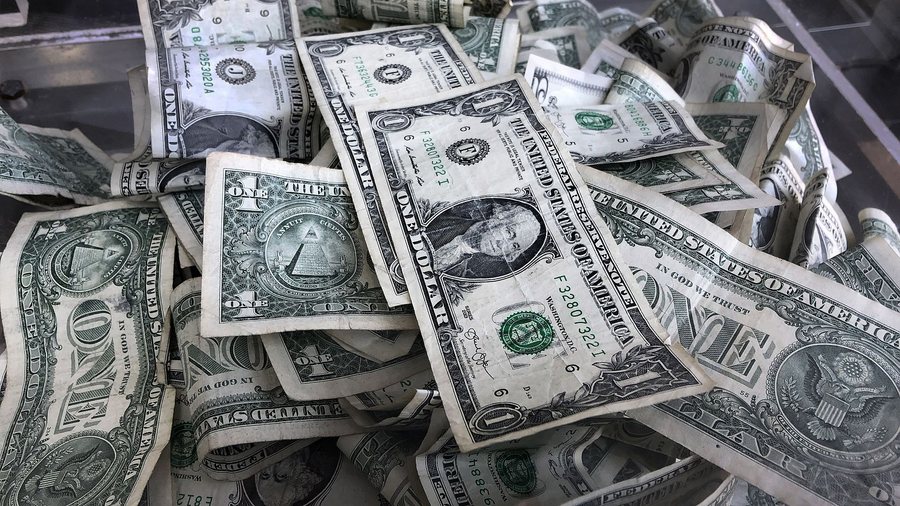
President Donald Trump's administration officials estimated during a congressional briefing this week that the first six days of the war against Iran had cost the United States at least $11.3 billion. That figure did not include the full cost of the war, but was provided to lawmakers as they sought more information about the conflict.
Some lawmakers expect the White House to soon submit a request to Congress for additional funding for the war. Officials have said the request could be as much as $50 billion, while others have said that estimate seems low.
The administration has not given a public estimate of the cost of the conflict, or a clear idea of its expected duration. Trump said during a trip to Kentucky that "we won" the war, but that the United States would stay in the fight to finish the job.
The campaign against Iran began on February 28 with US and Israeli airstrikes and has so far killed around 2,000 people, mostly Iranians and Lebanese, while the conflict has spread to Lebanon and thrown global energy markets and transportation into chaos.
Administration officials have also told lawmakers that $5.6 billion worth of ammunition was used during the first two days of the attacks.
Members of Congress, who may soon have to approve additional funding for the war, have expressed concern that the conflict will deplete US military reserves at a time when the defense industry was already struggling to keep up with demand.
Trump met with the heads of seven defense contractors last week as the Pentagon worked to restart supplies.
Democratic lawmakers have sought public testimony under oath from administration officials about the Republican president's plans for the war, including how long it might last and what his plans are for Iran after the fighting has stopped.

Strategic reserves to reduce oil prices - US to release 172 million barrels
The US will release 172 million barrels of oil from its strategic reserves in an effort to lower oil prices that have risen sharply due to supply shocks from......
War doesn't stop Iran's oil - It has exported about 13.7 million barrels since the start of the war
Iranian crude oil has continued to be transported through the Strait of Hormuz at a near-normal pace, even as Tehran-linked attacks on ships in the narrow......
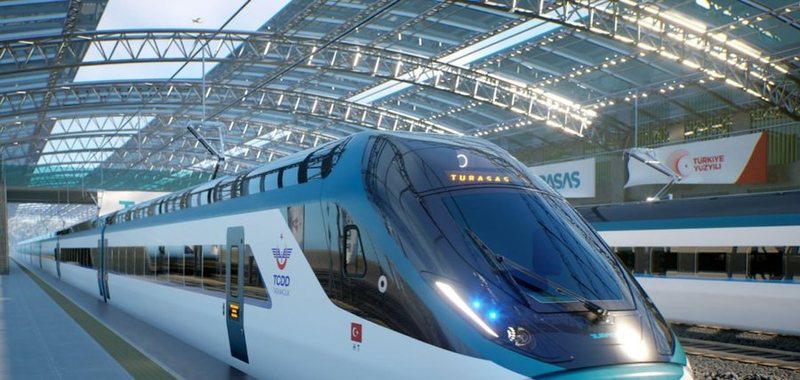
The government approved the 11.7 million euro loan for the Tirana-Rinas-Durrës railway
At its meeting today, the government approved the loan for the Tirana-Durres railway with a connection to Rinas International Airport. The financing to be......

Use of seashores for beaches, government approves model agreement
At its meeting today, the government approved the standard model of the agreement, to be concluded between the National Coastal Agency and investors, for the......

Customs-Tax operational plan signed for monitoring the fuel market, duration until June 30
According to a joint announcement by the Ministry of Finance and its two subordinate directorates, Taxes and Customs, the parties have signed a joint......

Border control strengthened: Meeting with UNODC on the fight against trafficking
The Director General of Customs, Besmir Beja, held a meeting today with a delegation of UNODC (United Nations Office on Drugs and Crime), headed by Danilo......
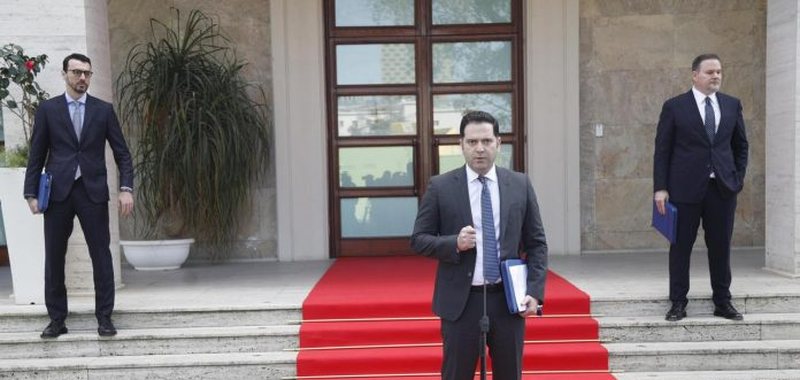
Malay: The economy is expected to grow by an average of about 4% during the period 2027–2029
The Minister of Finance, Petrit Malaj, stated today in a media appearance after the government meeting that, during the period 2027–2029, an average economic......

Large euro payments with AIPS reach peak - BoA: Around 25% more transactions in this system in the first two months of 2026
The year 2026 has started with a high activity of large-value bank payments in the country. Data published by the Bank of Albania show that during the first......