War doesn't stop Iran's oil - It has exported about 13.7 million barrels since the start of the war

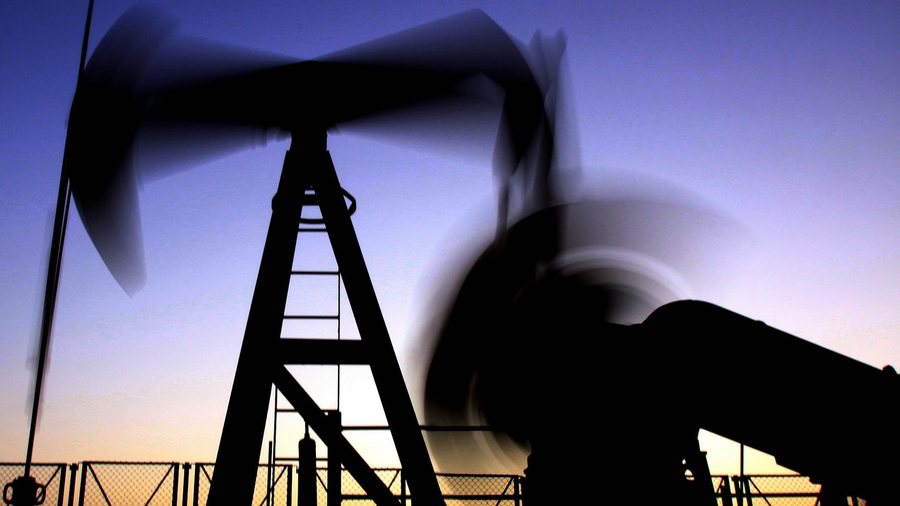
Iranian crude oil has continued to be transported through the Strait of Hormuz at a near-normal pace, even as Tehran-linked attacks on ships in the narrow waterway have disrupted exports from other Gulf countries.
Iran has exported about 13.7 million barrels of crude oil since Israel and the US launched attacks on the country on February 28, according to an analysis by TankerTrackers.com, a maritime intelligence company specializing in tracking the so-called shadow fleet, a network of ships used to transport oil and gas from countries under Western sanctions.
Ship tracking service Kpler estimated that Iranian exports in the first 11 days of March were even higher, at about 16.5 million barrels.
Iran's retaliation for Israeli and American attacks has included attacks on shipping in the Strait of Hormuz and energy infrastructure across the Middle East, blocking non-Iranian ships from transiting through the main gateway for most of the Middle East's oil exports and forcing producers in the region to cut output.
According to analysts, as long as Iran is moving its ships through the region, it has an incentive to keep the Strait of Hormuz open at least to some extent.
Data from TankerTracker.com and Kpler show Iran's crude oil exports equaled 1.1 million barrels per day and 1.5 million barrels per day from February 28 to March 11. The country's average exports last year were 1.69 million barrels per day, according to Kpler data.
The pace could accelerate in the coming days. Several very large crude oil carriers, the largest oil ships in service, are still loading oil at Iran's Kharg Island export hub.
Before the attacks launched on February 28, Iran had increased exports to about 2.17 million barrels per day in February, in anticipation of Israeli-American military action.

The government approved the 11.7 million euro loan for the Tirana-Rinas-Durrës railway
At its meeting today, the government approved the loan for the Tirana-Durres railway with a connection to Rinas International Airport. The financing to be......

Use of seashores for beaches, government approves model agreement
At its meeting today, the government approved the standard model of the agreement, to be concluded between the National Coastal Agency and investors, for the......

Customs-Tax operational plan signed for monitoring the fuel market, duration until June 30
According to a joint announcement by the Ministry of Finance and its two subordinate directorates, Taxes and Customs, the parties have signed a joint......

Border control strengthened: Meeting with UNODC on the fight against trafficking
The Director General of Customs, Besmir Beja, held a meeting today with a delegation of UNODC (United Nations Office on Drugs and Crime), headed by Danilo......
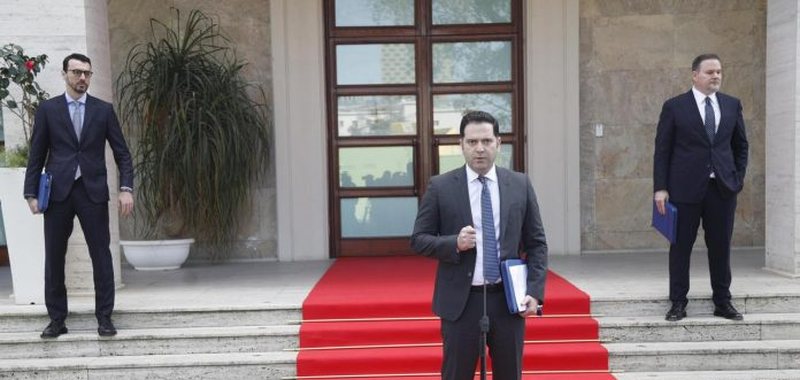
Malay: The economy is expected to grow by an average of about 4% during the period 2027–2029
The Minister of Finance, Petrit Malaj, stated today in a media appearance after the government meeting that, during the period 2027–2029, an average economic......

Large euro payments with AIPS reach peak - BoA: Around 25% more transactions in this system in the first two months of 2026
The year 2026 has started with a high activity of large-value bank payments in the country. Data published by the Bank of Albania show that during the first......

The government asks oil companies: Be careful with reserves/ Ibrahimaj: We are monitoring the market daily, that's why we have high prices
Economy Minister Delina Ibrahimaj does not rule out the possibility of reducing oil taxes, and more specifically excise taxes, to reduce the final price.......

USA, law to reduce housing prices - The American market lacks 4 million new homes
Republicans and Democrats in the US Congress are backing legislation to encourage more affordable housing, in a rare example of bipartisan action on a......