Oil prices fall after crossing $110 - G7 countries consider using emergency reserves

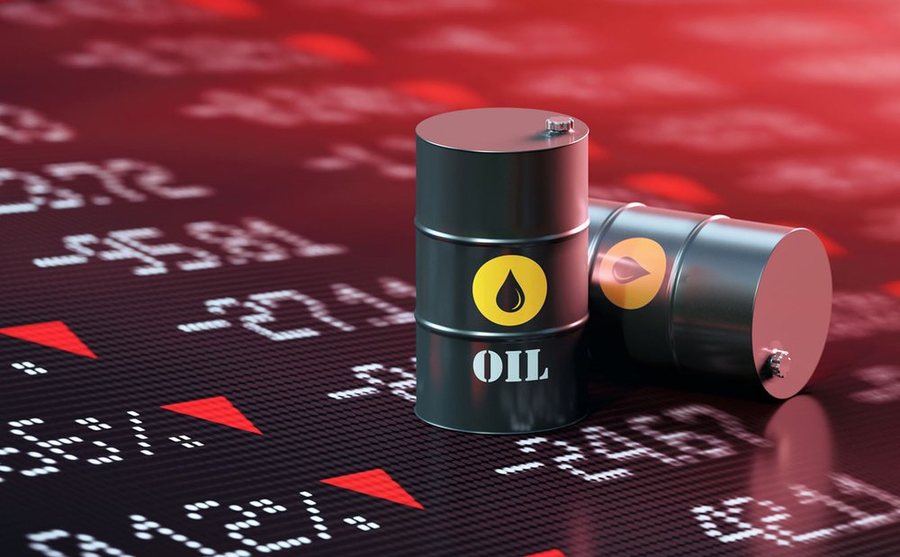
Oil prices fell on Monday after reports that the Group of Seven nations, including the United States, planned to discuss a coordinated release of crude from their strategic reserves, following a sharp rise earlier in the day as the escalating war in the Middle East rocked global energy markets.
G7 finance ministers are expected to hold a meeting to discuss the impact of the war. Oil prices had earlier surged more than 25% to $110 a barrel, their highest levels since mid-2022, when Russia's invasion of Ukraine rocked global energy markets.
Kuwait, OPEC's fifth-largest producer, announced preliminary cuts in oil production and refinery output due to "Iranian threats against the safe passage of ships through the Strait of Hormuz." The state-owned Kuwait Oil Corporation did not provide details on the size of the cuts.
Production in Iraq, OPEC's second-largest producer, has fallen. Output from three major oil fields in the south has fallen by 70% to 1.3 million barrels per day. The fields were producing 4.3 million barrels per day before the war with Iran.
Even the United Arab Emirates, OPEC's third-largest producer, said it was "carefully managing offshore production levels to meet storage requirements." Abu Dhabi National Oil Company (ADNOC) said its onshore operations were continuing normally.
Gulf Arab states are cutting production because they are running out of storage space due to the closure of the Strait of Hormuz. Tankers cannot pass through the narrow waterway. About 20% of the world's oil consumption is exported through the Strait.
Energy Secretary Chris Wright said Sunday that traffic through the Strait will resume after the US destroyed Iran's ability to threaten tankers.
“We’re not far off before you see a more regular resumption of shipping traffic through the Strait of Hormuz,” Wright said. “We’re not even close to normal traffic, and it’s going to take some time. But again, worst-case scenario, it’s weeks, not months.”
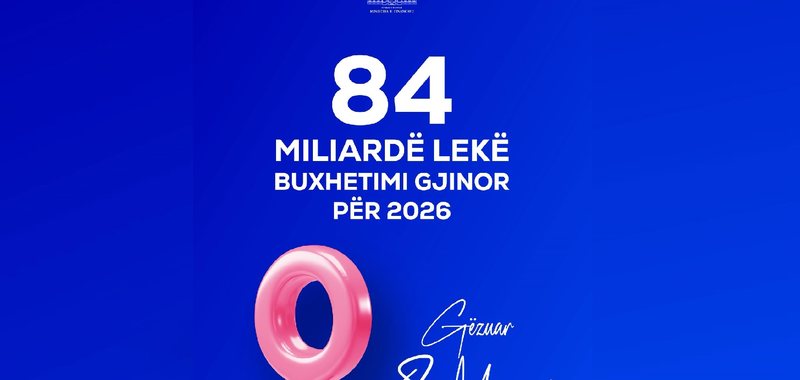
Gender budgeting, Malaj: 84 billion lek in 2026, for more opportunities for women and girls
The Minister of Finance, Petrit Malaj, along with his message for the celebration of March 8, has brought to attention that in 2026, the government has......
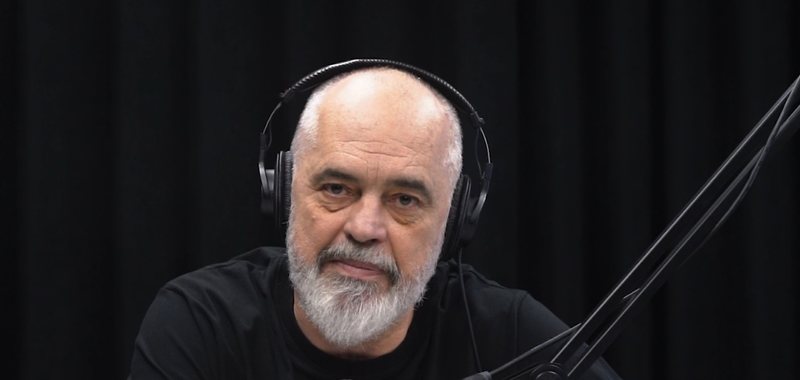
Protecting jobs, Rama: Support for businesses after the minimum wage increase
In his weekly podcast, Prime Minister Rama spoke about the support that will be given to businesses due to the increase in the minimum wage. The Prime......
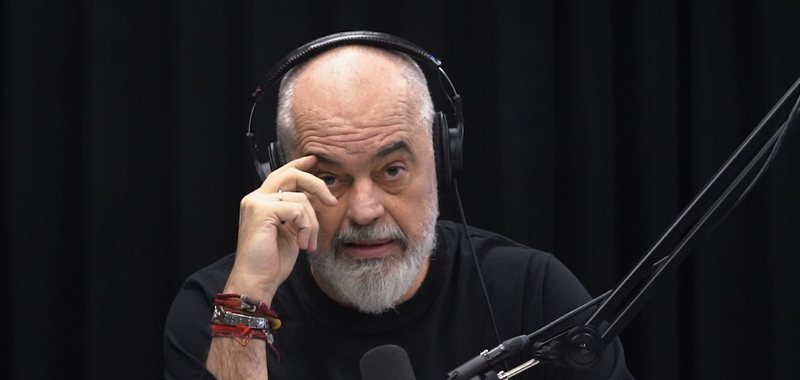
Conflict in the Middle East, Rama: The main priority is the safety of Albanians there
The safety of Albanian citizens in the Middle East is our top priority, following the ongoing conflict there, said Prime Minister Edi Rama in his weekly......
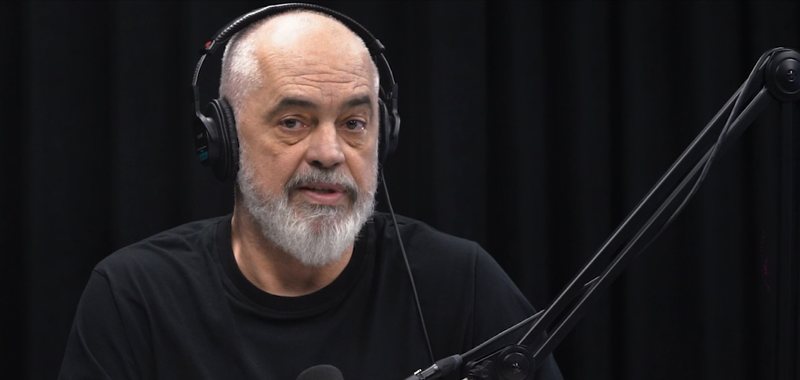
Albania on a pedestal, Rama: Participation in the Tourism Fair in Berlin, an important event
Prime Minister Edi Rama described Albania's participation in the Berlin Tourism Fair as a major event for our country. Rama said in his weekly podcast that......

March 8 beyond flowers/ Albanian women in numbers: progress, but not full equality
On International Women's Day, statistics show that women in Albania are gaining more and more space in education and decision-making, but challenges still......
Where are the most crowded classes in Albania? The ratio in high schools, from 8 to 14 students per teacher
How many students are there per teacher in Albanian high schools? This is an indicator that reflects not only how full the classes are, but also how much......
Teacher profile in Albania/ Average age around 43 years, 75% women and only 36% satisfied with salary
Teachers remain the most important factor in the quality of education and the development of new generations. At a time when technology, artificial......
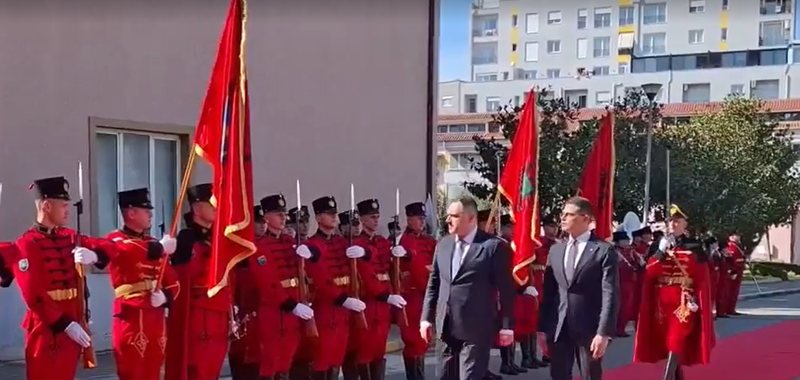
Transfer of duty at the Ministry of Defense Ermal Nufi: Service to the Homeland, a duty that does not come without sacrifices
The Ministry of Defense held a ceremony to hand over the duties from Pirro Vengu to the new Minister of Defense, Ermal Nufi. The new Minister said that he......