Iran is redrawing the global trade map - Gulf countries, billions of USD investments in Red Sea ports

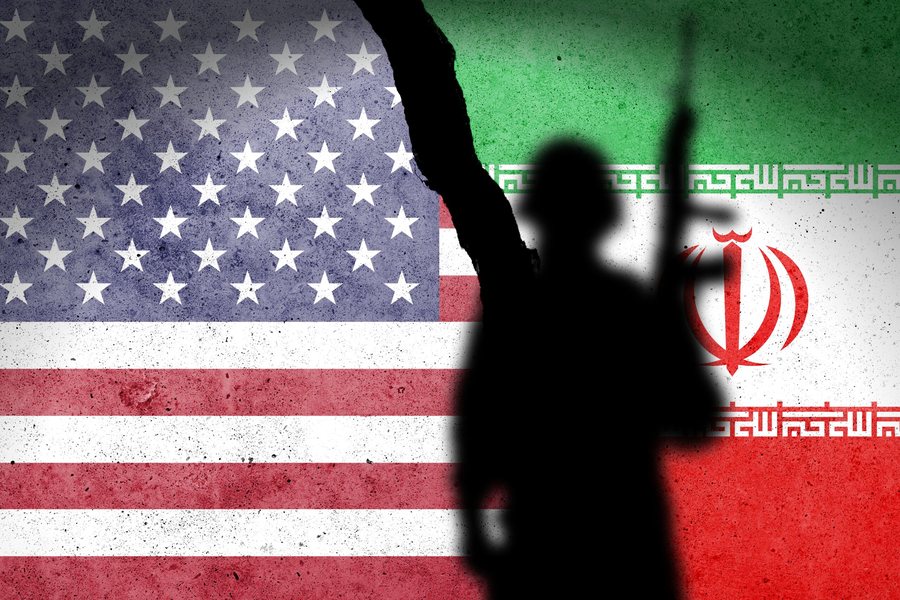
The redrawing of the global trade map by the Iran war is forcing Gulf countries to readjust their investment strategy, pouring capital into infrastructure, from energy pipelines to ports, to cope with the consequences of the conflict. The war has exposed the Persian Gulf’s over-reliance on the Strait of Hormuz, through which about 20% of global oil passes but which is also subject to constant Iranian threats to close it.
With the strait virtually blocked for much of the first half of the year, a wave of billions of dollars in investment is looming on the horizon as energy exporters try to secure their economies for the future. Trade is being redirected to Saudi ports on the Red Sea and the eastern ports of the United Arab Emirates, but capacity is at a premium. Gulf governments are looking for ways to create permanent, integrated solutions to bypass the Strait of Hormuz.
While most Gulf governments can tap into oil wealth accumulated over decades, some may turn to external funds as they work toward ambitious foreign direct investment targets. The costs could exceed hundreds of billions of dollars in the coming years, and Gulf sovereign wealth funds, among the world’s largest, are already stepping in to accelerate these investments.
Ports have been a critical priority for Gulf governments, including Saudi Arabia. Abu Dhabi’s sovereign wealth fund said last week it plans to buy the rest of AD Ports, which operates in the United Arab Emirates and around the globe. Saudi Arabia has accelerated billion-dollar plans to divert oil away from the Strait of Hormuz, including an expansion of crude pipeline capacity on the western coast of the Red Sea. The economies of Qatar and Kuwait are expected to shrink by about 8% this year, according to a Reuters poll, while Saudi Arabia’s economy is expected to expand by 1.4%, after growing 4.5% in 2025.

Six months into the war in Iran - The conflict that would last a few weeks has no end in sight
Friday marked six months since the United States and Israel launched combat operations in Iran, as Tehran retaliated by attacking targets across the Persian......

Minimum wage compensation - Businesses, application deadline until October 31
Businesses that have been affected by the increase in the minimum wage in Albania still have the opportunity to apply for financial compensation from the......
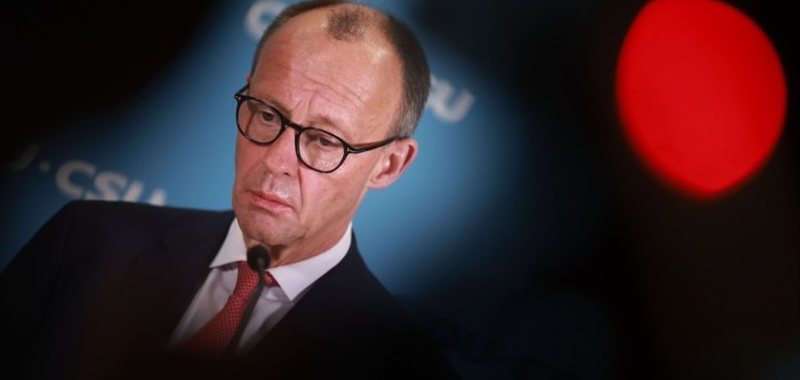
Industry puts pressure on Merz for China - Demands fair competition with Chinese rivals
German industry is increasing pressure on Chancellor Friedrich Merz to take a tougher stance on Beijing. Companies are demanding stronger action to address......

New rules for social care - Municipalities take responsibility for emergency cases
More services at home and less dependence on residential centers. These are some of the changes envisaged in the new draft law on social care, which the......

Air traffic, Albcontrol: We had a technical problem, 90% of the systems were back in operation
In the afternoon hours today, as a result of a technical defect, the Albanian air traffic systems were turned off. According to the announcement of......

Record traffic at Tirana International Airport, Rama: On August 17, 60,291 passengers were processed
Tirana International Airport experienced its highest traffic peak in history during August. The figures were brought to the public's attention by Prime......

Milot-Fier, where has the project reached? - 114 km of highway, segments in different stages of implementation
The approval of the implementation project for the Kashar-Lekaj axis and the announcement that works will begin within this year brings back to attention the......

22 fires in 24 hours, three remain active – Intervention with ground and air forces
The fire situation continues to be monitored across the country, with 22 fires reported in the last 24 hours. According to the Ministry of Defense, 3 fires......