Global economy "dependent" on Hormuz - Around 25 billion USD worth of goods blocked in the strait

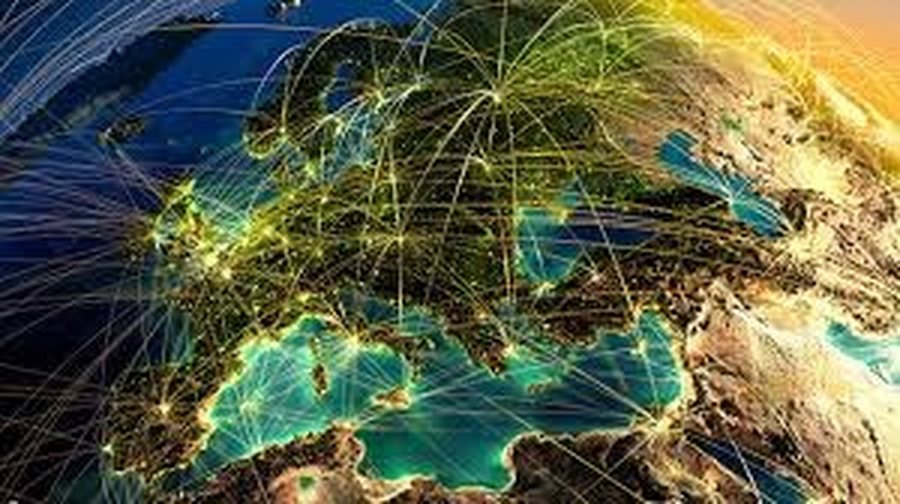
The US-Israeli military attack on Iran has disrupted commercial shipping in the Persian Gulf, a key source of fuel and petroleum products. The disruption immediately sent prices for these energy supplies soaring in financial markets. Several refineries in the Middle East, China and India shut down their crude oil units due to the escalating conflict in the Middle East.
As a result of a lower supply outlook in fuel markets, European oil futures contracts reached their highest level since October 2022, at $1,130.
The strait lies between Oman and Iran and connects the Persian Gulf to its north with the Gulf of Oman to its south and the Arabian Sea beyond. It is 21 miles (33 km) wide at its narrowest point, with the seaway only 2 miles (3 km) wide in either direction.
About a fifth of the world's total oil consumption passes through the strait.
More than 20 million barrels of crude oil, condensates and fuels passed through the strait each day last year on average, data from analytics firm Vortexa showed.
The international shipping industry has classified it as a “conflict zone,” with nearly 1,000 ships currently grounded due to military escalation in the Middle East. According to Lloyd’s of London, the value of the grounded ships exceeds $25 billion, and roughly half of them carry oil and gas.
OPEC members Saudi Arabia, Iran, the United Arab Emirates, Kuwait and Iraq export most of their crude oil through the strait, mainly to Asia. Qatar, among the world's largest exporters of liquefied natural gas, ships almost all of its liquefied gas through the strait.
OPEC+'s top producers, Saudi Arabia and the United Arab Emirates, have increased oil exports in recent days as part of contingency plans. The UAE and Saudi Arabia have sought to find other routes to bypass the strait. About 2.6 million barrels per day (bpd) of unused capacity from existing UAE and Saudi pipelines could be available to bypass Hormuz, the US Energy Information Administration said in June last year.
The US Fifth Fleet, based in Bahrain, is tasked with protecting merchant shipping in the area. About 20% of global oil, including from producers such as Saudi Arabia, the United Arab Emirates, Iraq, Kuwait and Iran, passes through Hormuz, along with large volumes of liquefied natural gas (LNG) from Qatar.
Having moved away from Russian energy since the invasion of Ukraine, Europe now relies more on imports from the Gulf region. Among European countries, Britain, Italy, Belgium and Poland are the most dependent on LNG imports that pass through the Strait of Hormuz, according to data from the U.S. Energy Information Administration.
The Gulf is also a major exporter of propane, butane and ethane, which are used for heating, fuel and in agriculture, according to data from broker Kpler.
Crude oil supplies from Iraq and Kuwait could begin to be cut within days if the Strait remains closed, potentially cutting 3.3 million barrels per day (bpd) by the eighth day of the conflict, JP Morgan analysts said in a note.
Iraq, the second-largest crude oil producer in the Organization of the Petroleum Exporting Countries, has cut output by nearly 1.5 million barrels per day due to a lack of storage and an export route, officials told Reuters.
Qatar, the largest producer of liquefied natural gas in the Persian Gulf, declared a force majeure situation on gas exports, with sources saying a return to normal production volumes could take at least a month.
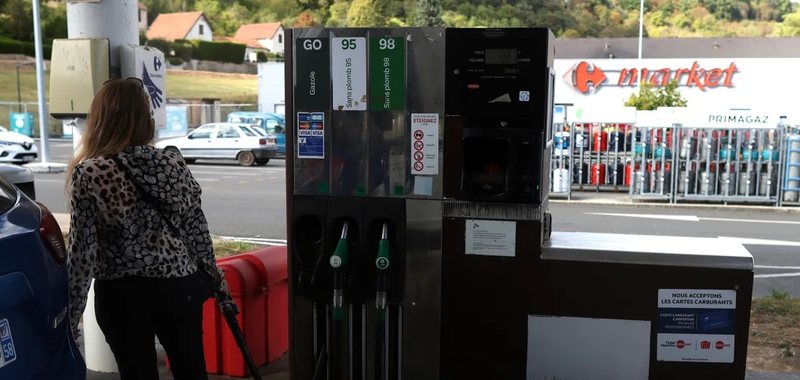
Italy cannot stop price increases - Gasoline has exceeded 1.7 euros per liter, while oil is at March 2024 levels
Fuel prices in Italy have continued to rise. The average price of gasoline reached 1,724 euros per liter in cities, compared to 1,672 euros on Monday, and......
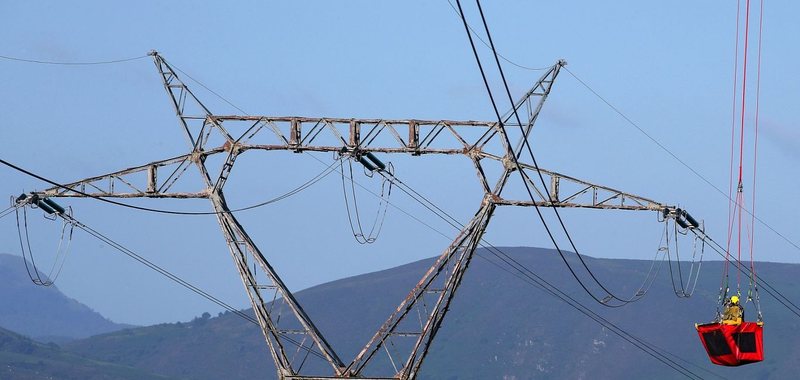
Which European country is most affected by the conflict? - Greece, Cyprus, Poland, Bulgaria, most affected by an energy crisis
The economic, fiscal, political and credit impacts of the war in the Middle East will depend on the duration and severity of the conflict, the extent to......
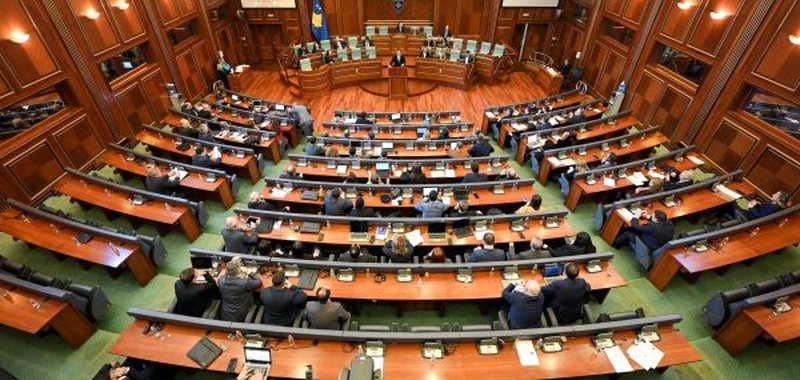
Kosovo goes to elections again - President Osmani decrees the dissolution of the Parliament
The President of Kosovo, Vjosa Osmani, has announced that she has issued a decree dissolving the Parliament, leading the country towards new elections. In a......
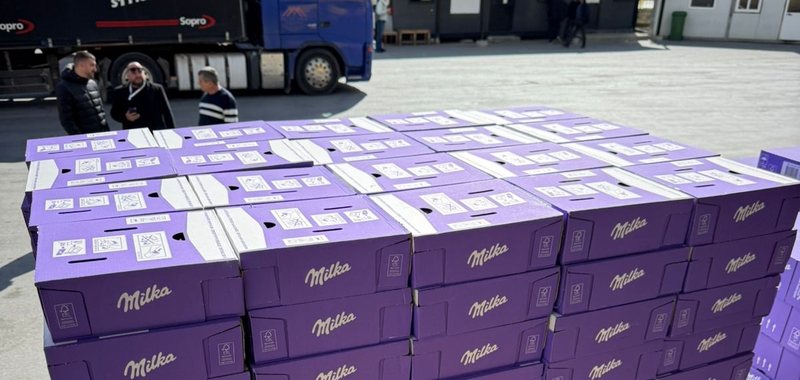
Dogana bllokon në Kapshticë 1.5 tonë çokollata ‘Milka’
Drejtoria e Antikontrabandës ka bllokuar një mjet të ngarkuar me 1.5 tonë çokollata, i cili kaloi në degën doganore të Kapshticës pa kryer deklarim doganor......
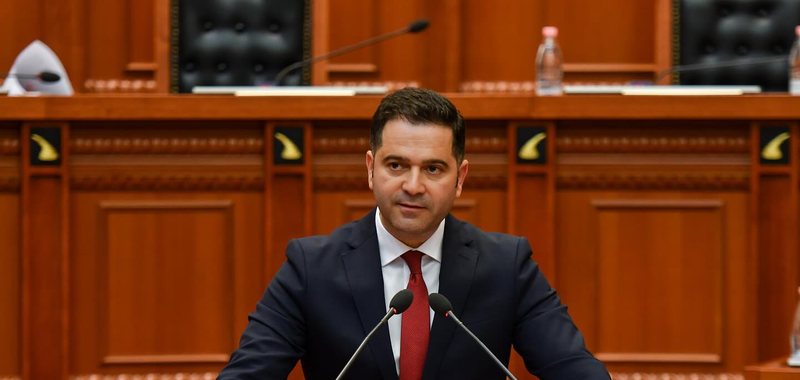
Public debt performance for 2025, Minister Malaj presents the indicators in the Parliament
The Minister of Finance presented today in the Parliament the country's public debt indicators. According to him, the figures confirm the best performance in......

Kredi 50 milion euro për infrastrukturën bashkiake: Ja se ku do shkojnë financimet
Kuvendi ka ratifikuar sot marrëveshjen së huasë midis Republikës së Shqipërisë dhe Republikës Federale të Gjermanisë, përmes Bankës Gjermane për Zhvillim......
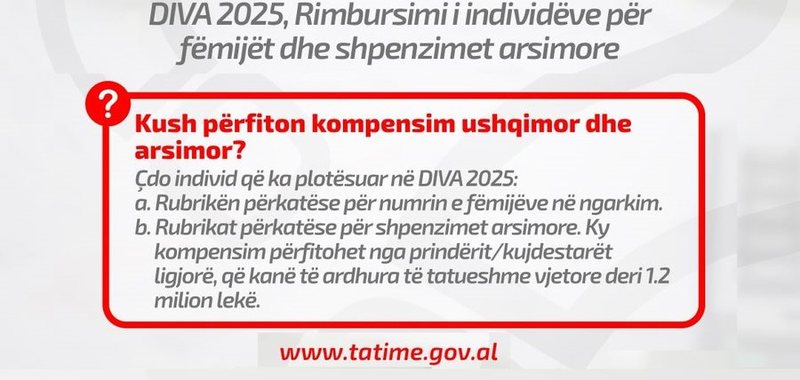
DIVA, AmCham kërkon më shumë informacion për bizneset, trajnime për deklaratat e reja
Dhoma Amerikane e Tregtisë organizoi një trajnim informues për komunitetin e biznesit mbi ndryshimet më të fundit në sistemin e deklarimeve tatimore për......

Criminal assets "under the microscope" of the European Commission - SPAK–AAPSK cooperation is assessed
At the 17th meeting of the EU-Albania Subcommittee on "Justice, Freedom and Security", European Commission experts paid special attention to the process of......