Donald Trump Returns to Trade Tariffs - Up to 100% on Imported Medicines. Modifies Them for Metals

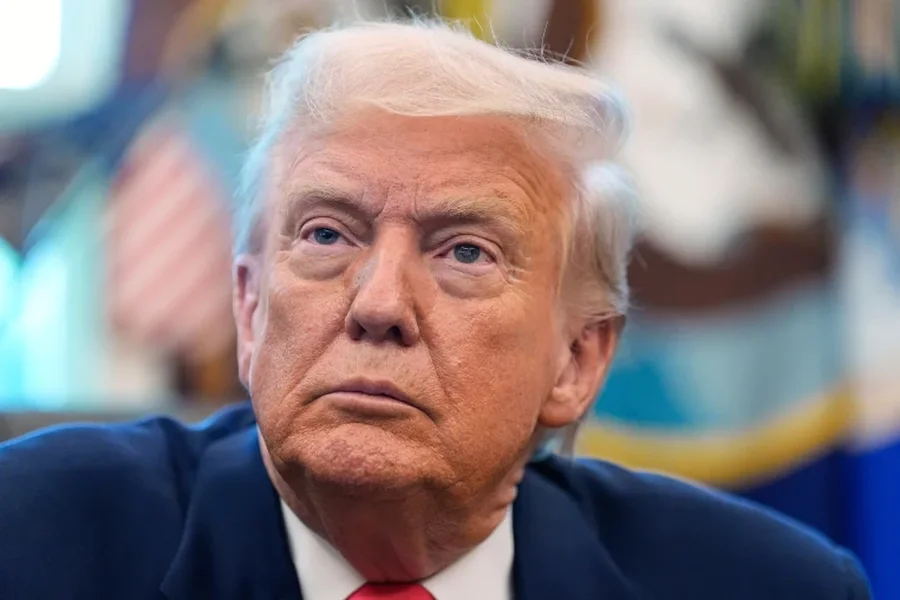
US President Donald Trump has signed into law additional tariffs on imported pharmaceuticals and a reversal of existing tariffs on metals. The decision comes exactly one year after he declared "Liberation Day" when he announced trade tariffs on all countries in the world.
The new tariffs on pharmaceutical products are aimed at increasing domestic production in the United States and could reach up to 100%. According to the White House, the measure aims to reduce dependence on imports and strengthen the American pharmaceutical industry.
Some countries are partially exempt from the new measures, as they have special agreements with Washington. Japan, South Korea, the European Union and Switzerland will see their medicines taxed at up to 15%, as stipulated in their respective agreements.
At the same time, tariffs on metals are being adjusted, in response - as the White House claims - to practices by companies that try to "artificially manipulate" the prices of their products to make them cheaper in the US market. Now, finished products containing mainly steel, aluminum or copper will be subject to tariffs of 25% on their total value, instead of 50% on the amount of metals they contain.
The new rules for metals will come into effect on Monday, while for pharmaceutical products, their implementation will begin after 120 to 180 days, depending on the size of the manufacturing companies.
The Trump administration's goal, an official said, is to have "the majority of licensed drugs manufactured in the United States." Generic drugs are exempt from the new measures. In addition, companies that commit to building factories in the United States will pay a reduced tariff of 20% until the end of President Trump's term.
Companies that apply "most-favored-nation" treatment to the prices of their drugs and commit to investing in the U.S. will be completely exempt from tariffs. Thirteen pharmaceutical companies have signed this agreement so far.

How did this 'turbulent' week end for major currencies?
The US dollar, after continuous fluctuations and ups and downs throughout this week, closes this period negatively, losing points from yesterday as it was......
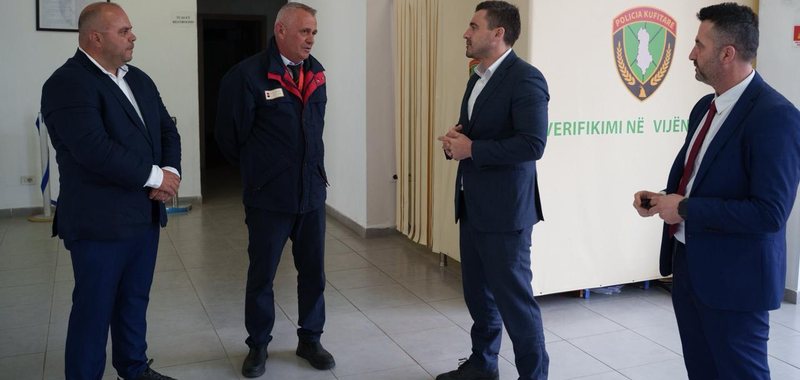
The Director General introduces the new head of the Saranda Customs Branch
The Director General of Customs, Besmir Beja, introduced the new head of the Saranda Customs Branch, Ervis Mehmeti. During the presentation, he focused on......
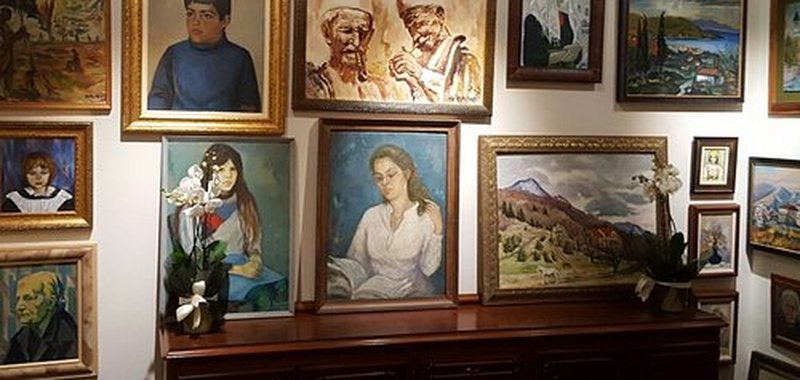
10% of savings from procurement go to art - How the National Fund for Art will function, draft law for consultation
A new initiative in the field of culture is expected to bring changes in the way art and cultural heritage are supported in the country. The draft law in......
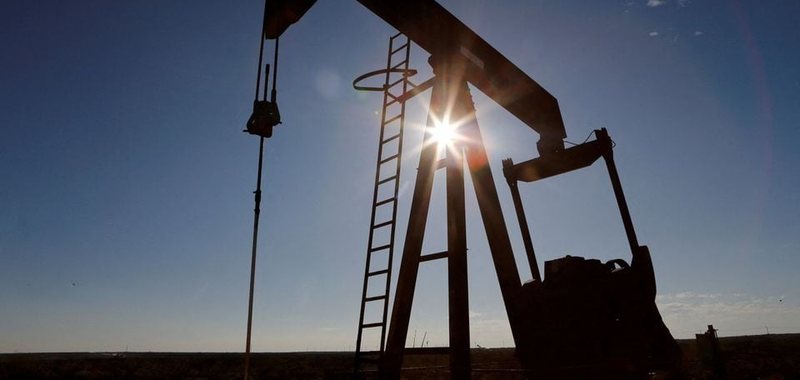
EU considering fuel rationing - Energy Commissioner Jorgensen: It will be a long crisis
The European Union is considering "all options", including imposing fuel rationing and releasing additional oil from strategic reserves, as it prepares for a......
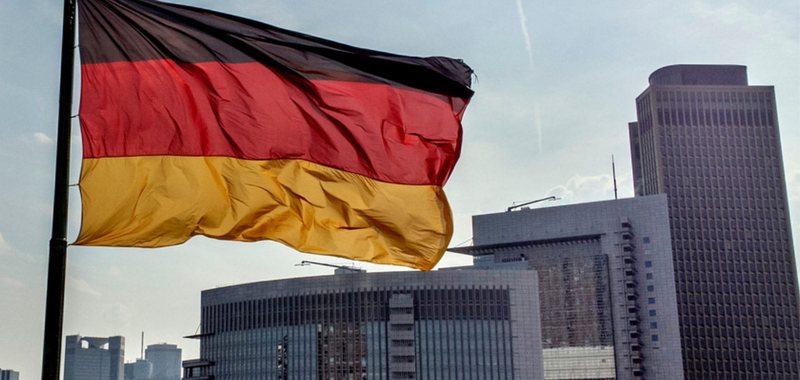
German economy at risk - Growth forecasts halved as price increases weigh on economy
The German economy will grow by just 0.6 percent in 2026, instead of the previously projected 1.3 percent. This is the forecast of the leading German......
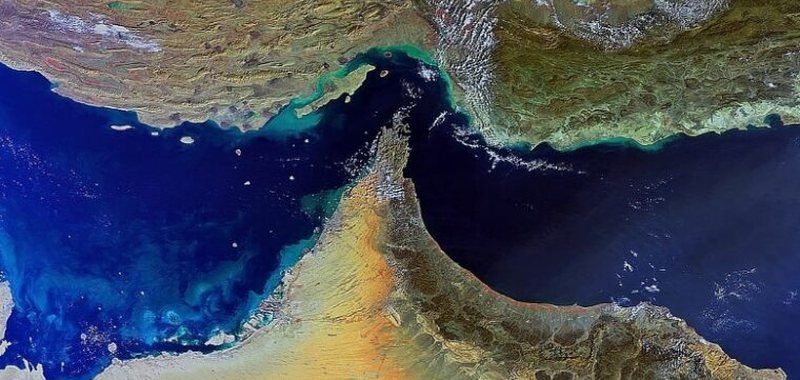
"Salty" Costs for the Hormuz Passage - Ships Pay Up to $2 Million in Yuan, or Cryptocurrency for Transit
Shipping through the Strait of Hormuz appears to be becoming increasingly complicated, as new data is emerging on tankers and cargo ships attempting to pass......
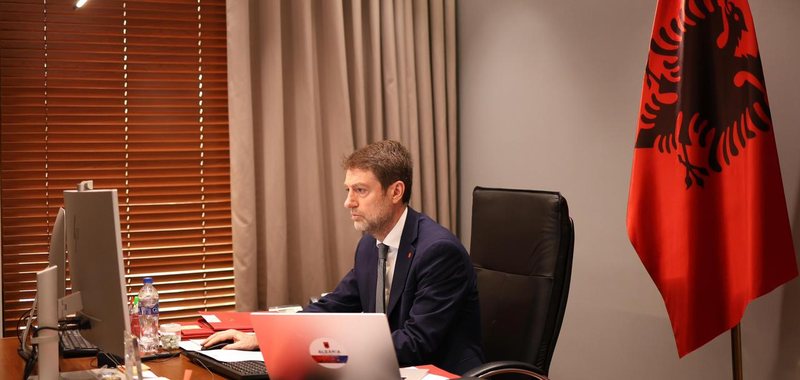
Albania among 40 allied countries for Hormuz, Minister Hoxha: Coordinated efforts to reopen the critical sea route
Minister for Europe and Foreign Affairs Ferit Hoxha has been part of the virtual meeting convened by British Secretary Cooper on the Strait of Hormuz. In a......
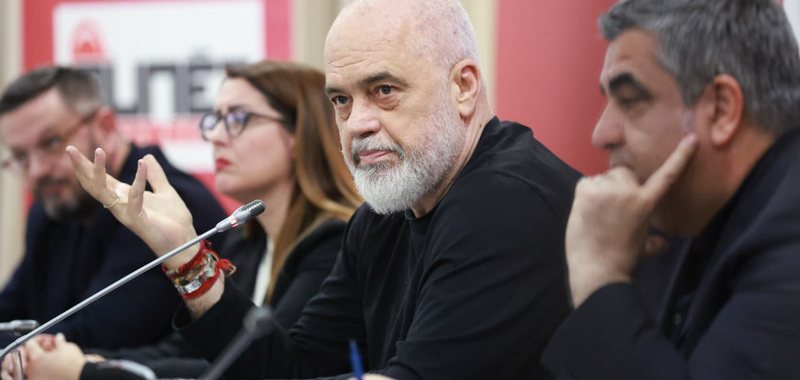
Legalization Reform, Rama: We will soon establish a new system with clear criteria
Prime Minister Edi Rama spoke today about the legalization process in Albania. During a meeting with citizens in Kashar, Rama said that some legalizations......