Analysis/ Economic differences, where does 1979 differ from today's war? Why is the weight of Iranian oil smaller today, but the uncertainty greater?

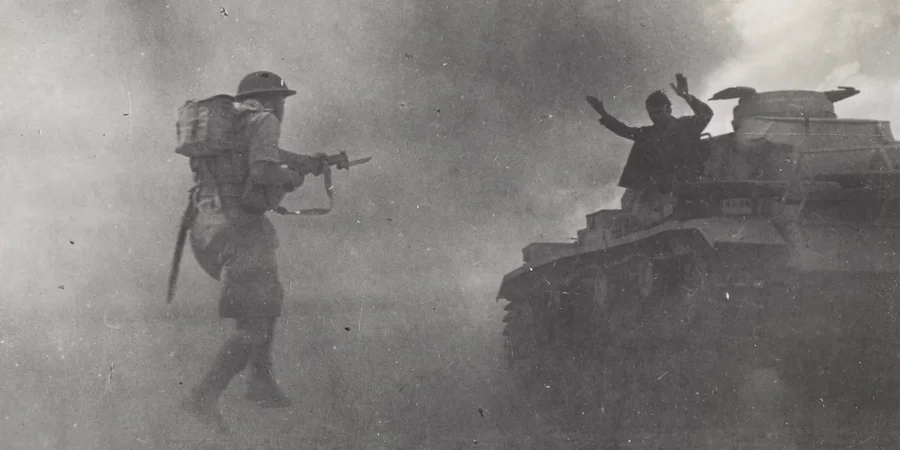
In 1979, a political revolution in Iran turned into a global economic shock. After months of mass protests, Shah Mohammad Reza Pahlavi was overthrown and Ayatollah Ruhollah Khomeini came to power, declaring the Islamic Republic. The regime change brought strikes in the oil industry and a sudden drop in production. At the time, Iran was one of the world's largest oil exporters, accounting for about 7–8% of global supply. Within months, millions of barrels a day disappeared from the international market.
The consequences were immediate. The price of oil doubled and fuel prices rose in the US and Europe, producing scenes never before seen at the fuel points. Inflation accelerated sharply and developed economies entered a difficult period called “stagflation” – a rare combination of weak economic growth and rising prices. In the United States, inflation reached over 13% in 1980. The US central bank, under Paul Volcker, raised interest rates to record levels to curb inflation, triggering a deep recession. The 1979 crisis showed how dependent the global economy was on Middle Eastern energy and how quickly a political shock could spread to financial markets.
Today, the situation is different in some key ways, but there are also clear similarities. Unlike in 1979, Iran no longer has the same weight in global oil production. Today, it represents about 3% of world supply, while the US has become one of the world's largest producers thanks to oil extraction technology. Developed economies are also more energy efficient, producing more with less energy than in the 1970s. This means that an outright decline in Iranian production today would not automatically have the same dramatic effect as in 1979.
However, the current risk is not just related to the amount of oil Iran produces, but to its strategic location. Much of the world's oil and gas passes through the Persian Gulf and the Strait of Hormuz, a narrow sea corridor near the Iranian coast. The spread of war in this area and the impact on other producing countries such as Saudi Arabia or the United Arab Emirates could leave the global market facing a much broader risk than simply the loss of Iranian exports.
Here lies the main difference between 1979 and today. Back then, the crisis came from the physical lack of Iranian production. Today, the potential crisis comes from the risk of destabilizing the entire energy infrastructure of the region. Modern markets react not only to what is missing, but also to what might be missing. Uncertainty itself drives up oil prices, insurance costs, and transportation tariffs.
If the conflict remains limited and does not affect major energy flows, the economic impact could be temporary: price fluctuations, tension in financial markets, and moderate inflationary pressure. But if the escalation spreads throughout the Persian Gulf, then the effects could include a sharp increase in energy prices, rising global inflation, and slowing economic growth, especially in Europe and Asia, which depend on energy imports.
So, while the 1979 crisis was a classic supply shock from a major producer, today's situation is a test of the resilience of a much more interconnected global system.
In a world where energy, finance, and transportation are closely linked, even uncertainty can have major consequences.

52.5% of public authorities, with high transparency - Report/ 32 institutions in the country "do not pass the class"
More than half of public institutions in the country are assessed as having high transparency towards citizens. The Office of the Commissioner for the......
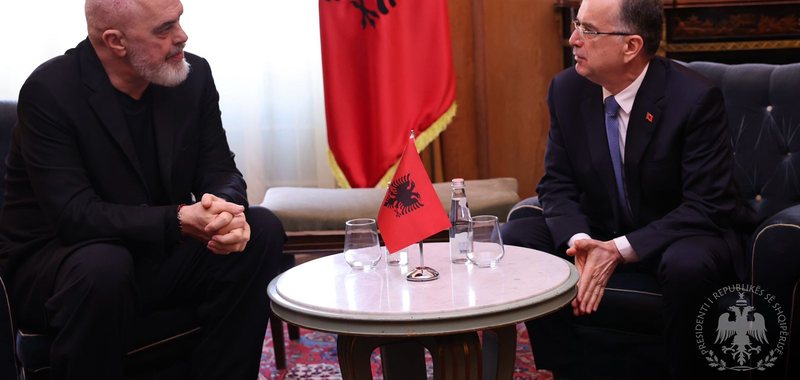
The Prime Minister presents the changes in the government to the President/ The constitutional procedure provides for a 7-day deadline for the decreeing of ministers
Prime Minister Edi Rama has submitted to the President of the Republic, Bajram Begaj, proposals for changes in the government Cabinet. The constitutional......
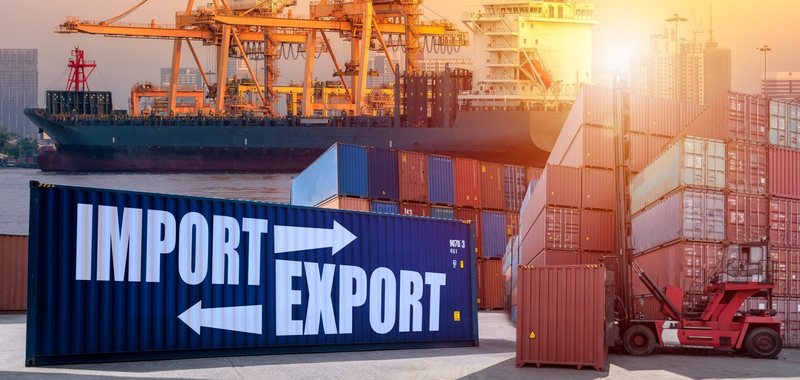
How does the Middle East affect the Albanian economy? Goods that dominate trade exchanges/From machinery, to fuels and minerals
The conflict in the Middle East began on Saturday with an attack initiated by Israel and the United States of America against Iran, to later escalate with a......

Natural disasters "test" public finances/ Association of Insurers: The state bears the main burden. The reason is the lack of insurance culture
The increase in natural disasters and the increasing exposure of the Albanian economy to them is bringing to the fore the need for a new model of financial......
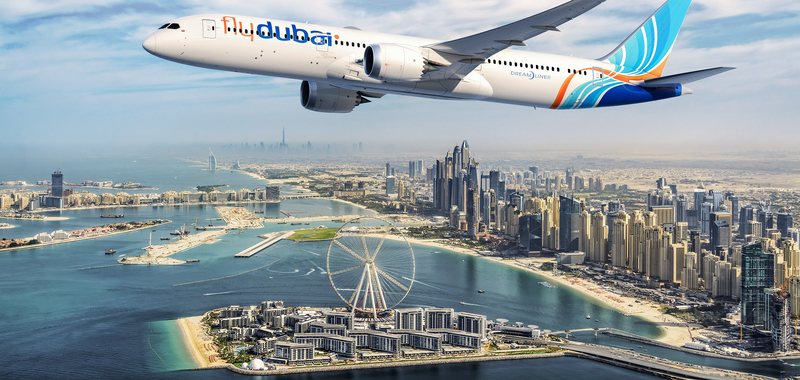
91 thousand passengers from Albania, to Dubai and Abu Dhabi/ Attacks in Iran block airspace. Other flights from Tirana, without problems
While the closure of airspace in the Middle East has caused global chaos in air transport, official data from Mother Teresa International Airport shows that......
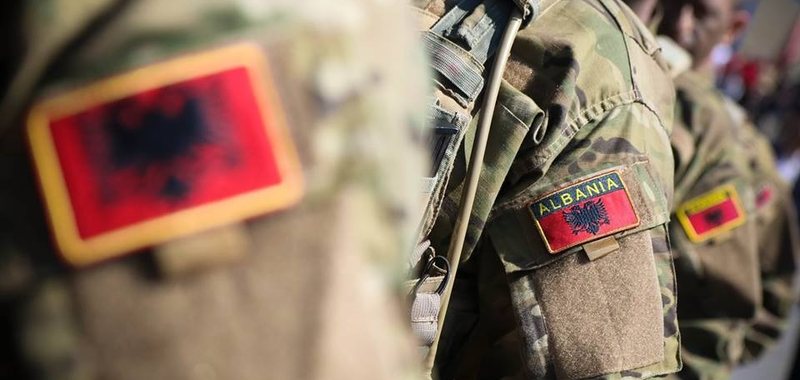
Albanian military industry, looking for engineers/ The recruitment phase has begun. Technical experts will be selected from vocational schools
The revitalization of the military industry is expected to create 326 new jobs in Albania this year, half of which require engineers. According to the......
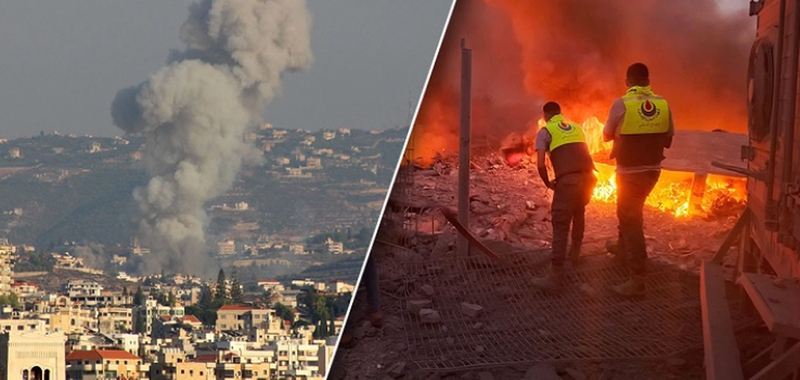
Israel attacks Lebanon, widening conflict/ Strikes capital Beirut after Hezbollah rocket attack
Israel launched new airstrikes on Iran-backed Hezbollah militants in Lebanon, as US President Donald Trump signaled that the US-Israeli military assault on......
Oil prices rise due to escalating conflict/ Impacts on the global economy with high production costs
Oil prices rose on Monday morning as investors assessed the economic impact of US and Israeli attacks on Iran, which prompted swift retaliation from Tehran......