Total solar eclipse today - In which parts of the world can it be best seen?


The moon will obscure the sun for millions of people in a total solar eclipse, best seen from parts of Spain and Iceland, which will occur on Wednesday, August 12.
In a total solar eclipse, the moon passes between the sun and the Earth, completely covering the sun's surface along a small path on our planet's surface. This is called the "path of totality." The daytime sky darkens to a level similar to twilight, and animals may change their behavior.
There are four different types of solar eclipses - total, partial, annular, and hybrid. In a partial eclipse, we will still see part of the sun, but the moon will cover a very good portion of it. While an annular eclipse is similar to a total eclipse, the size of the moon appears slightly smaller compared to the size of the sun. A hybrid solar eclipse occurs when the eclipse changes its appearance between an annular and total eclipse as the moon's shadow moves across the Earth's surface.
The total solar eclipse of August 12, 2026 will be visible in parts of Greenland, Iceland, northern Russia, the Atlantic Ocean, Spain and a small corner of Portugal. NASA says a partial eclipse will be visible in parts of the Northern Hemisphere, including parts of the northern United States, most of Canada, most of Europe and northwestern Africa.
The eclipse will occur over the North Atlantic, west of Iceland. Reykjavík will see totality at 5:48 p.m. local time (3:48 p.m. GMT), while parts of northern Spain, including A Coruña and Bilbao, will enter totality just before sunset, starting around 8:28 p.m. local time (6:28 p.m. GMT) in northwestern Spain. Madrid and Barcelona will see a partial eclipse, along with most of Europe.
According to experts, in the moments leading up to a total solar eclipse, you should only wear sunglasses approved for solar eclipses. According to experts, viewing an eclipse through a camera lens, binoculars, or telescope without using a special-purpose solar filter can cause serious eye damage. The only time it is considered safe for people to remove eye protection during a total solar eclipse is during the brief time when the moon completely blocks the sun's surface.
Energy prices in Europe rise - Heat wave curbs French nuclear and German wind production
The fifth wave of summer heat has pushed up electricity prices in Europe by more than 20%, with high temperatures expected to further limit nuclear power......

Global youth unemployment on the rise - Causes, slow job creation and the risk of AI
Global youth unemployment rose in 2025 as weaker economic growth, geopolitical tensions and slow job creation made it harder for young people to find work,......
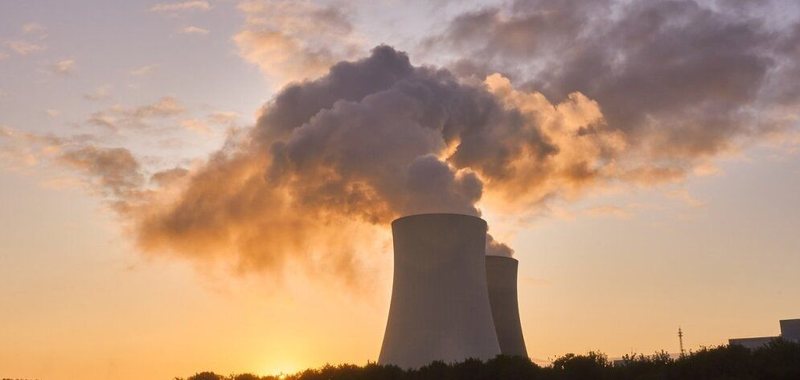
Romania may close nuclear reactor - Danube River levels drop to minimum
Romanian state-owned nuclear power producer Nuclearelectrica could shut down its last operating reactor on August 13th, as levels in the Danube River......

Leading the way on cybersecurity, Prime Minister Rama: There is no cure for the pain of haters
Prime Minister Edi Rama has responded to all those who reacted to the news of Albania's ranking at the top of the world in terms of cybersecurity with a post......

Vučić 'sandcastle' with Ibri! Here's what chief negotiator Dhuka writes to her Serbian counterpart
Following the statements of Serbian President Vučić on the plans for the diversion of the Ibar River, which is vital for Kosovo, Albanian politics has also......
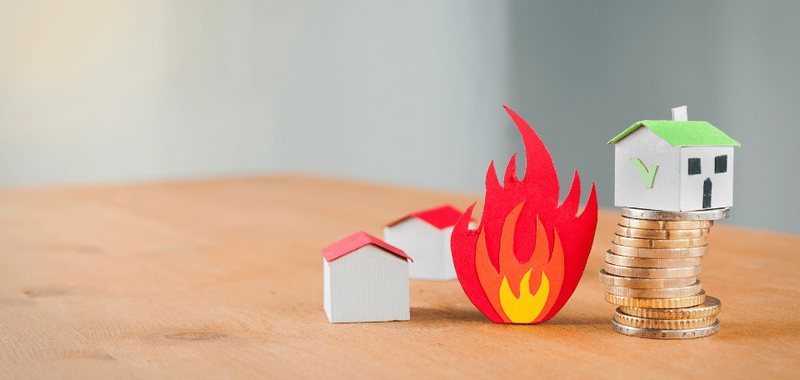
Only 33 thousand properties insured against fire - AMF: Disaster damages are increasing, but many citizens are still hesitant to protect their homes
Despite the fact that from year to year, Albania is being engulfed by a heat wave that brings about the outbreak of numerous fires, which often endanger the......

Albania, first in cybersecurity - Rama: After the 2022 attack, cyber defense was strengthened
Albania has been ranked first in the National Cyber Security Index, NCSI, with 98.33 points, sharing the highest score with the Czech Republic. The index......
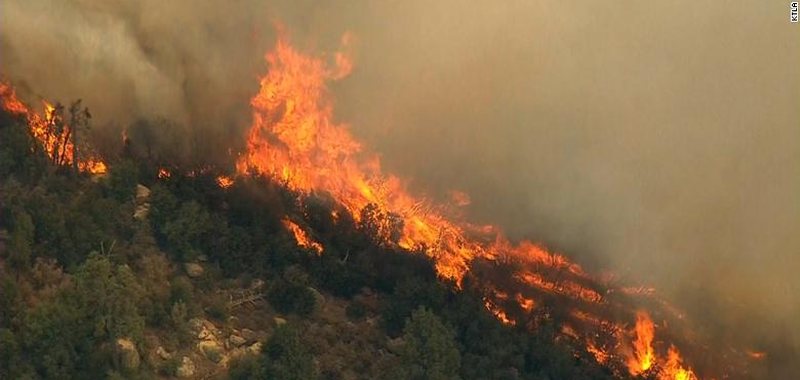
Will the fires spare Albania this summer? - August brings the biggest challenge for civil emergencies. So far, the balance is better than last year
August has historically been the most challenging month for civil emergencies, due to the “explosion” of a significant number of large wildfires across the......